Saving lives: Army and RAF practise coordinated medical evacuation from battlefield

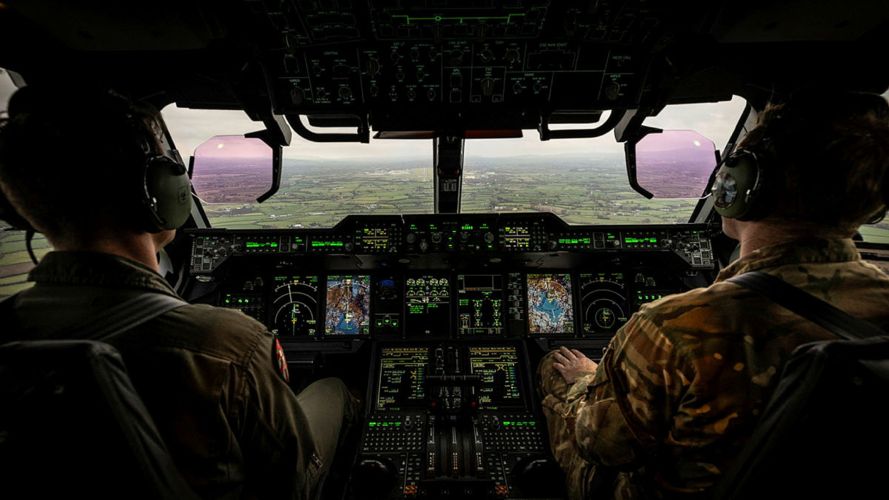
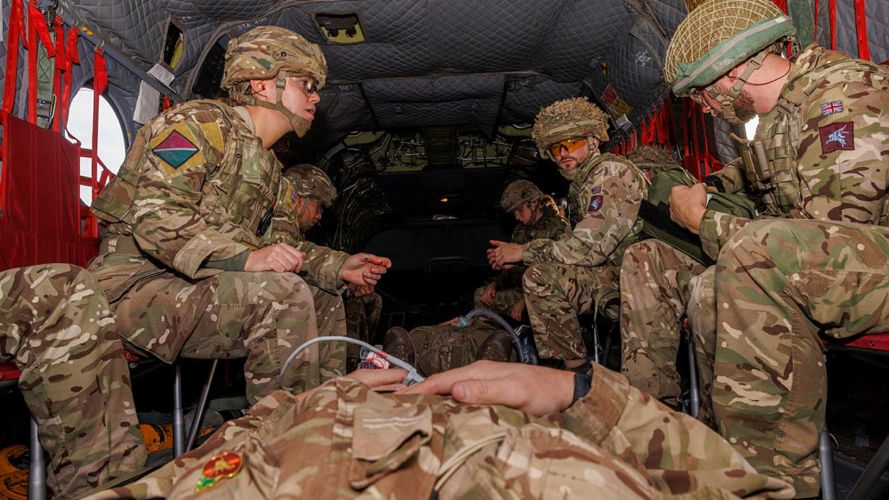
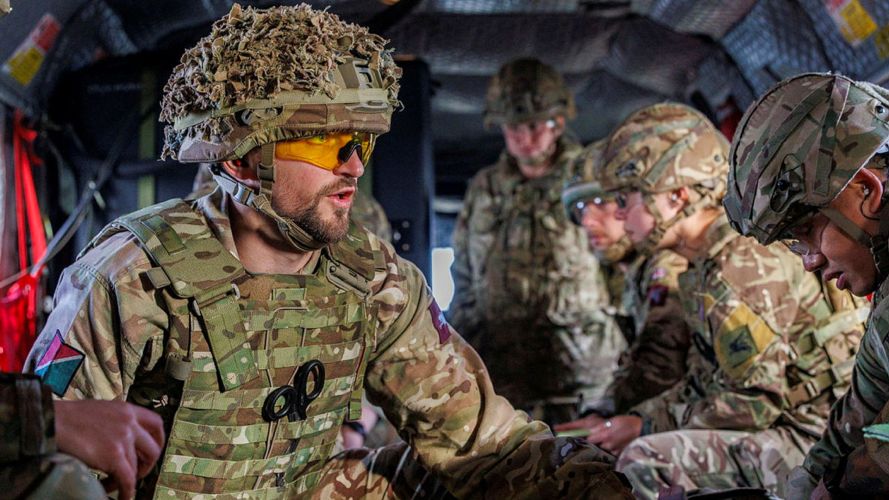
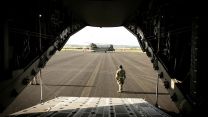
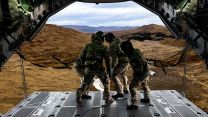
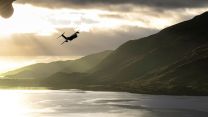
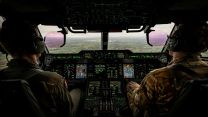
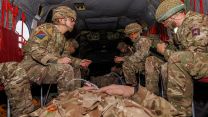
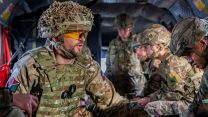
British Army and Royal Air Force medics have come together on Exercise Venture Spirit to test a coordinated medical evacuation.
After simulating urgent lifesaving surgery for mock injuries, 16 Medical Regiment worked with the RAF's Tactical Medical Wing (TMW) to transport casualties from Colchester's Merville Barracks to RAF Honington, where patients were transferred onto an A400M Atlas.
The training looked at how injured soldiers would be moved from the battlefield back to UK hospitals for specialist treatment.
It rehearsed what is known as a strategic medevac, which could involve a journey of several thousand miles from the battlefield to a hospital back home.
"This training is about bringing the team together to be ready to deliver the best medical care possible on operations," said 16 Med Regt's Major Ed Tusting.
The journey
The patients' journey began in Colchester, where 16 Med Regt created its light surgical group, which is an operating theatre and specialist staff that can be parachuted into action to perform surgery on the frontline.
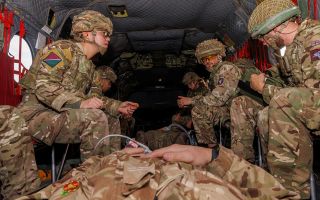
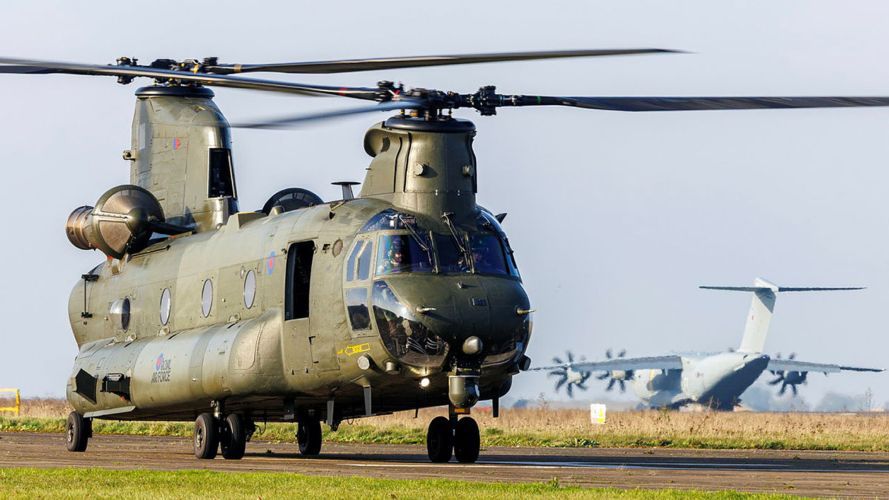
Following the surgery, the casualties and medics caring for them were flown by two Chinooks to RAF Honington.
Pathfinders, reconnaissance experts with specialist skills to mark and manage temporary runways, were based at Honington.
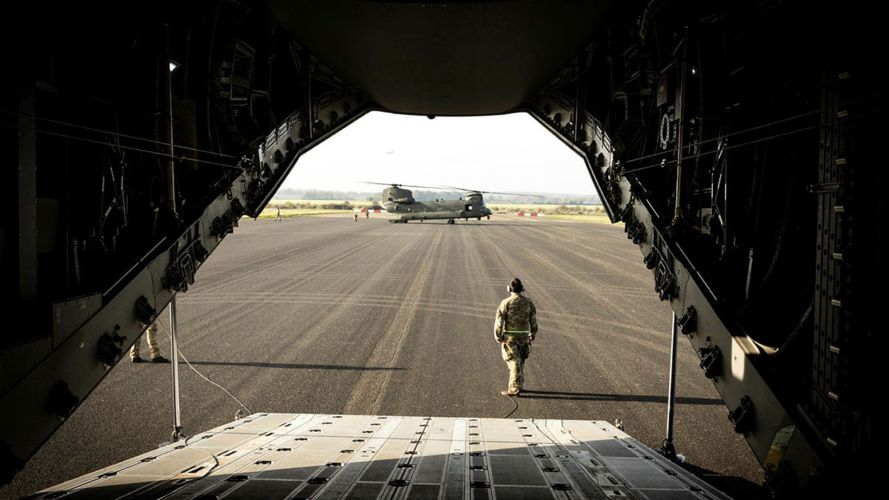
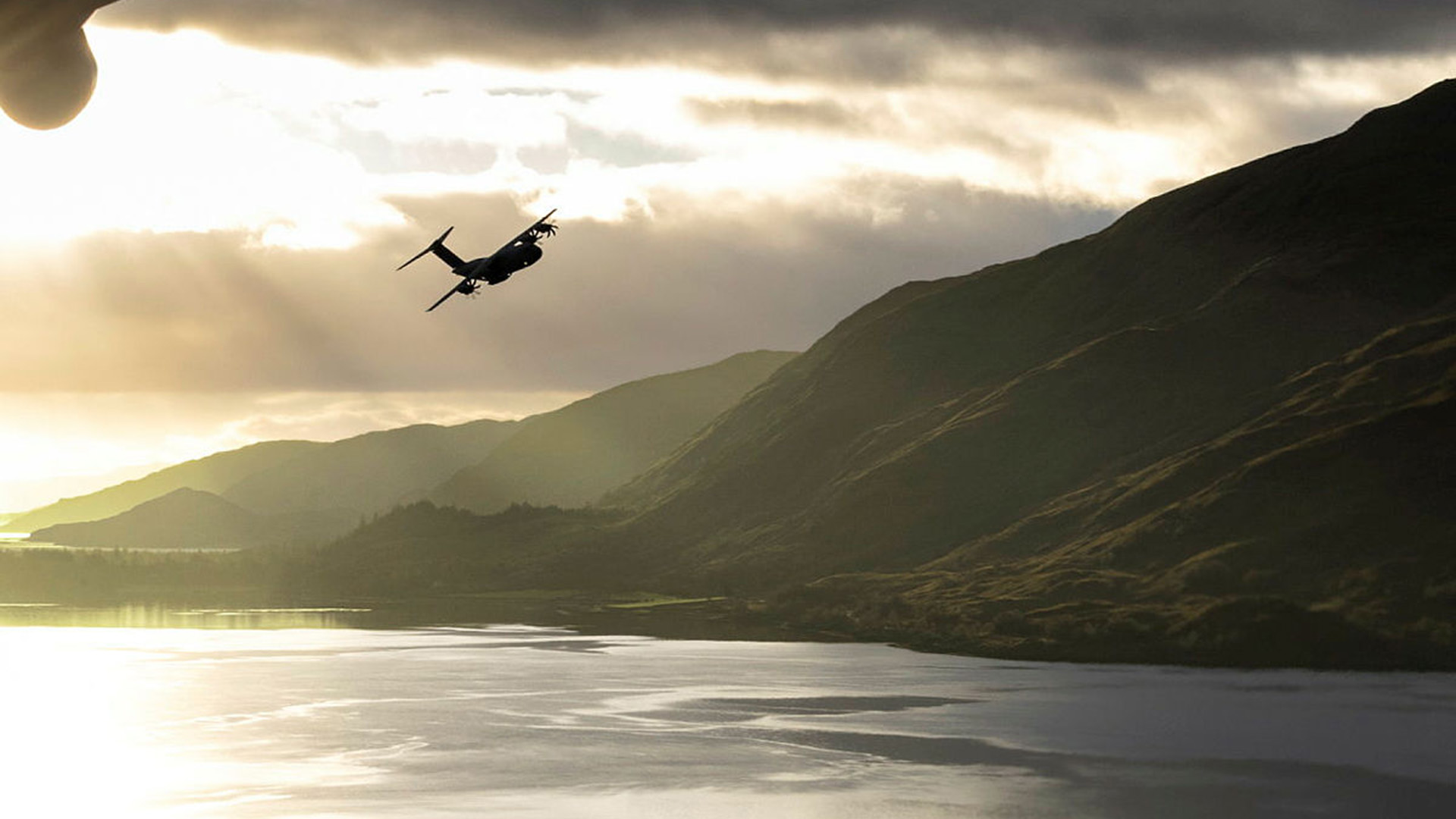
First, the Chinooks landed, then the Pathfinders controlled the landing of the A400M Atlas holding the TMW medics.
The patients were transported from the Chinook onto the A400M and simultaneously moved from the care of 16 Med Regt to TMW.
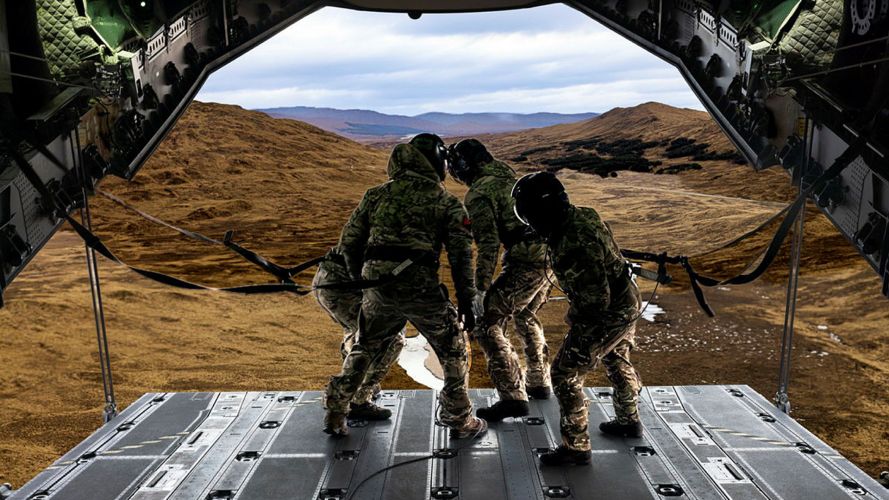
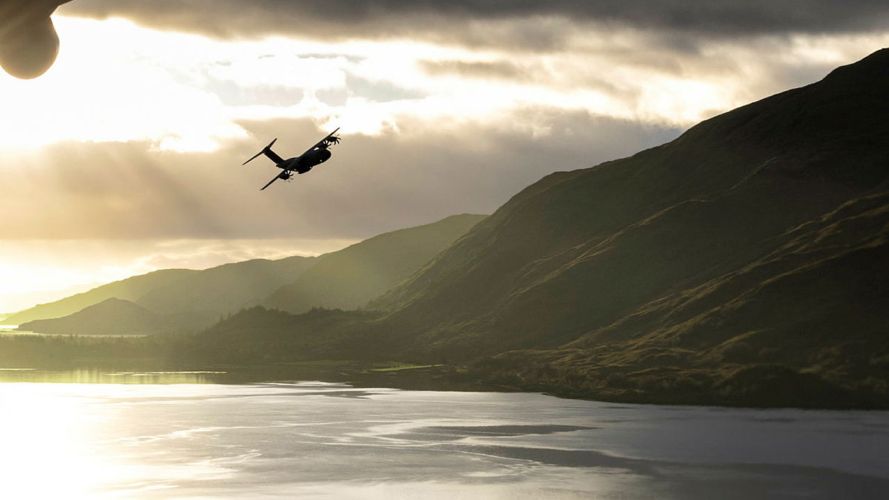
After that, the A400M departed for a second flight to represent transport back to a UK hospital for specialist treatment.
What does the training accomplish?
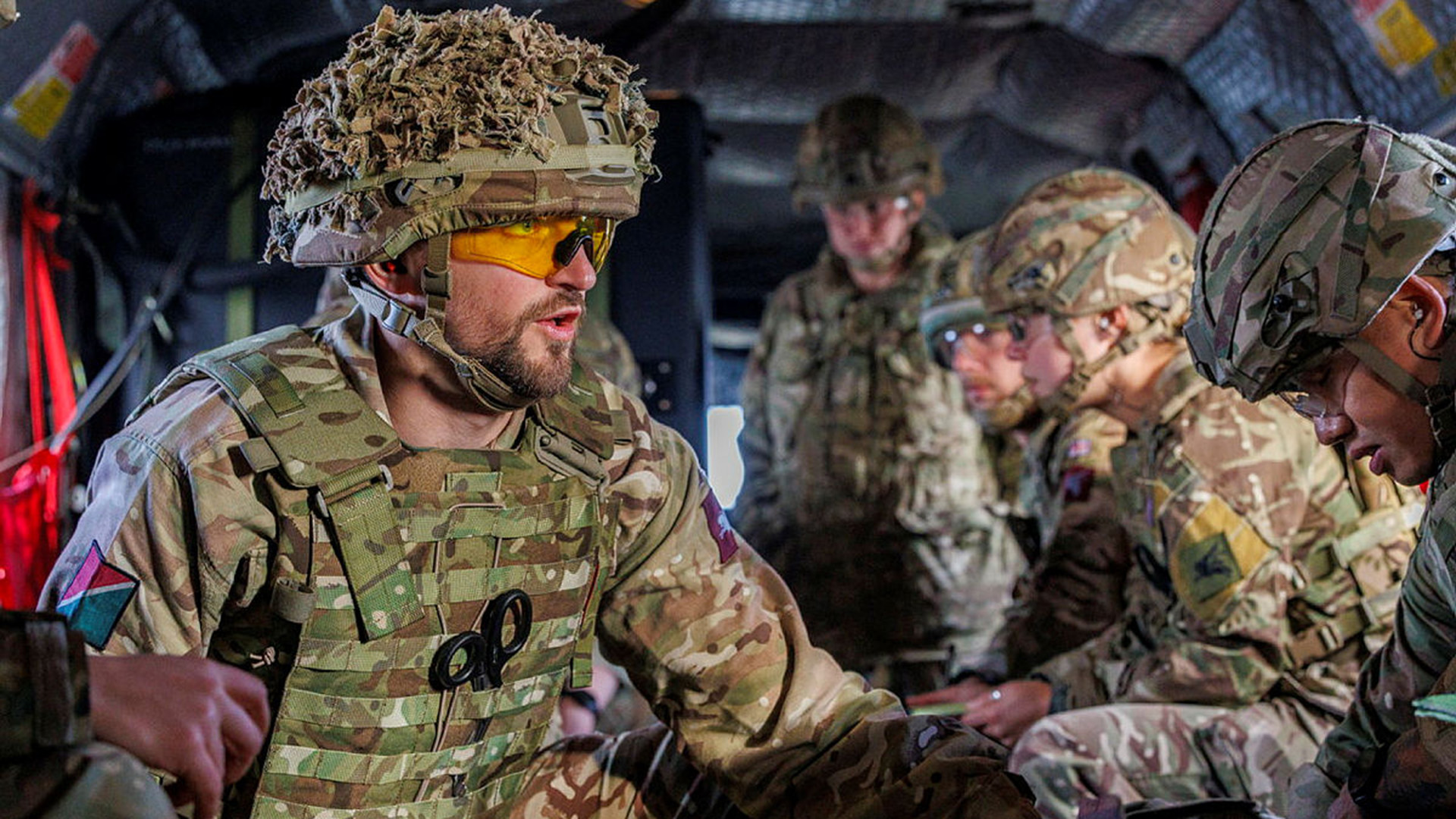
The training for 16 Med Regt helps prepare the soldiers for their role in giving medical support to 16 Air Assault Brigade, which is held at high readiness to deal with any global crisis.
"Medical care is about both the moral and physical components of fighting power," explained Maj Tusting. "The moral aspect is ensuring that if the worst happens to one of our soldiers, they know that they will get the best possible treatment.
"In physical terms, better medical care gets injured troops back into the fight quicker."
TMW's Flight Lieutenant Tom Knight said the training had improved the integration of Army and RAF capabilities.
"Training alongside Army clinicians, aircrew and other supporting personnel means we have a better understanding of each other's roles and capabilities, and rehearses the command, control and clinical procedures that underpin patient care," Flt Lt Knight added.
16 Air Assault Brigade is the British Army's global response force, specially trained and equipped to deploy by parachute, helicopter and airlanding.
Join Our Newsletter