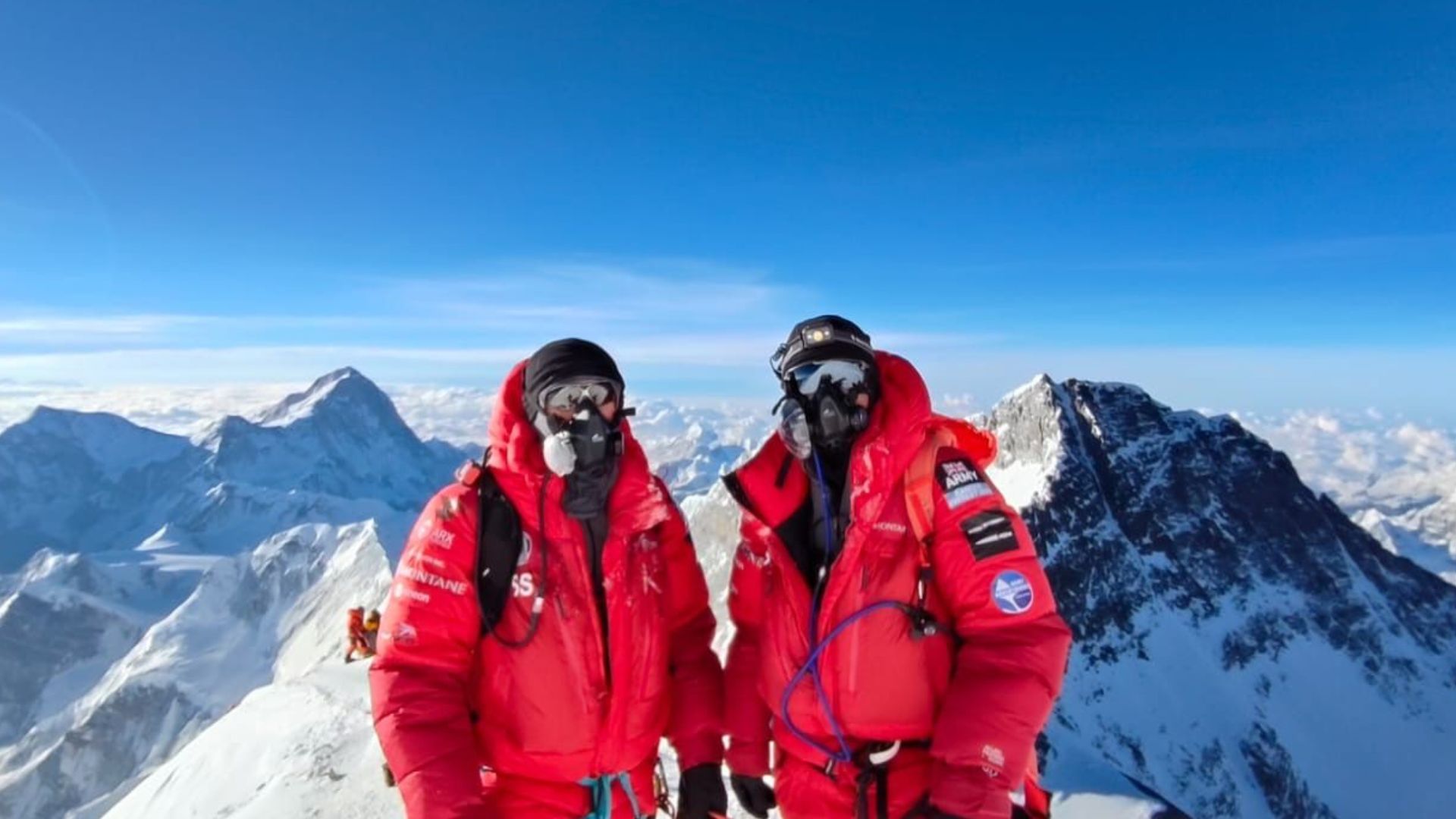
After more than a year of intense training and rigorous medical testing, a team from the British Army's Ranger Regiment has successfully conquered the world's highest peak: Mount Everest.
Led by Major Joe Adamson, the group of nine soldiers and two Royal Marine mountain leaders faced inhospitable climates, life-threatening hazards and endured the notorious 'death zone' - a perilous region above 8,000 meters where oxygen levels are roughly one-third of those at sea level – all while raising more than £20,000 for charity.
Describing the achievement in a post on X as an "extraordinary triumph of grit, discipline, and sheer determination", the head of the British Army, General Sir Roly Walker, said the team embodied the "spirit that defines our Army".
Conquering the 'Roof of the World'
The Ranger Everest expedition began with the team's arrival in Kathmandu before they boarded a helicopter to Lukla – a small town in the Khumbu region of northeastern Nepal – and the fastest and most efficient way to reach the starting point.
From there began the trekking phase, giving the climbers the chance to acclimatise and take in the sights of the Khumbu Valley, the ancestral home and heartland of the Sherpa people in Nepal.
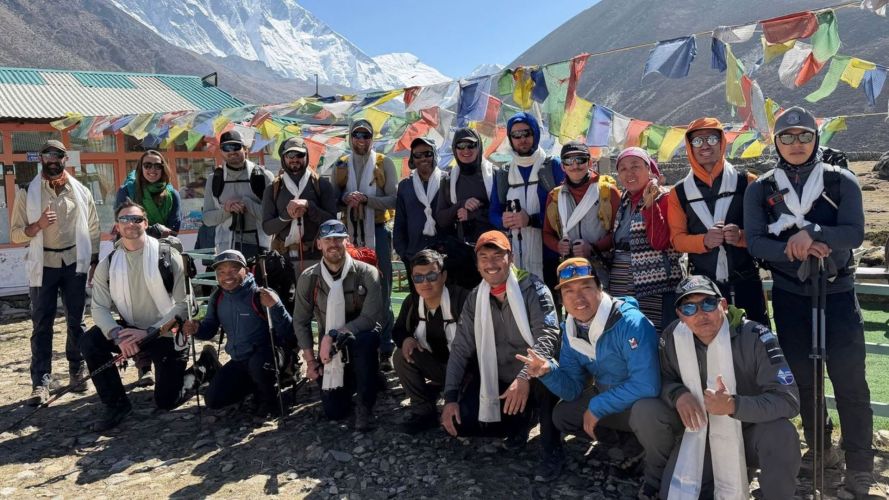
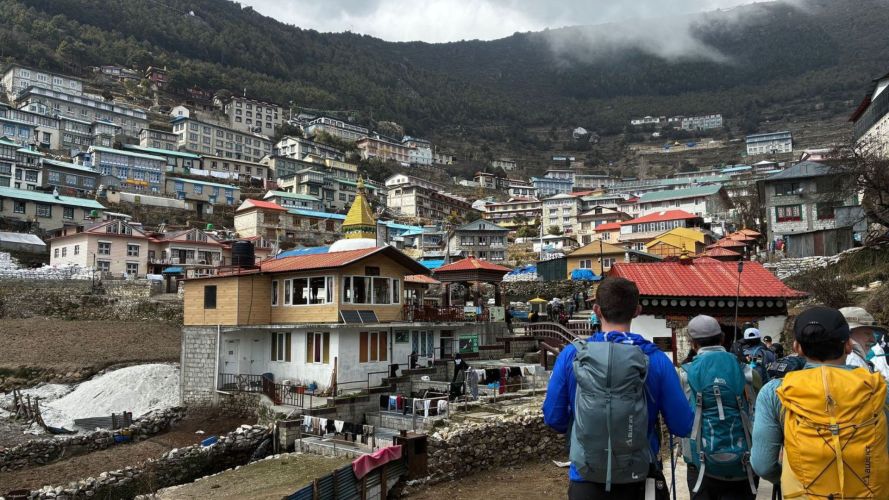
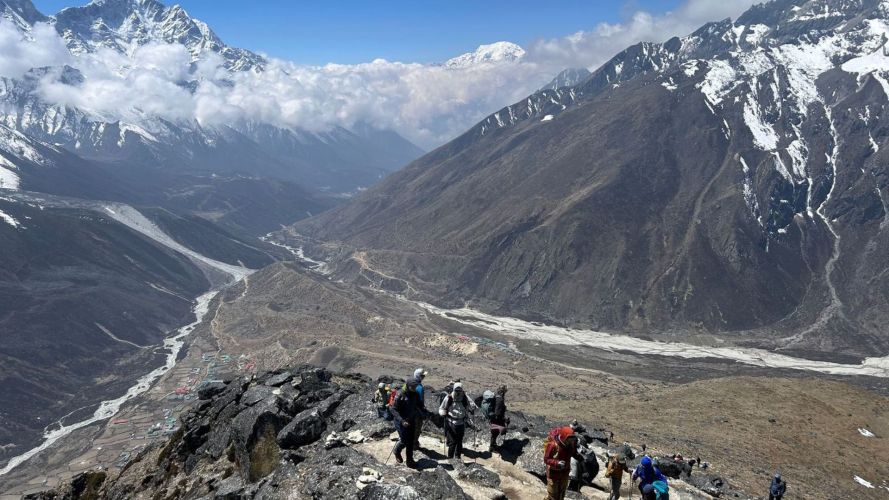
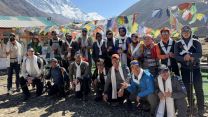
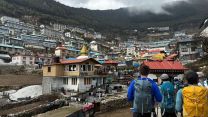
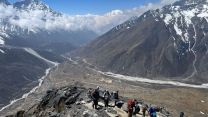
The journey begins as a well-established path on dirt trails and through lush, thick woodland, before it transitions into a rugged, high-altitude alpine ascent.
Conditions here shift quickly, forcing climbers to navigate exposed snow and ice slopes that are incredibly hazardous and demand advanced mountaineering techniques.
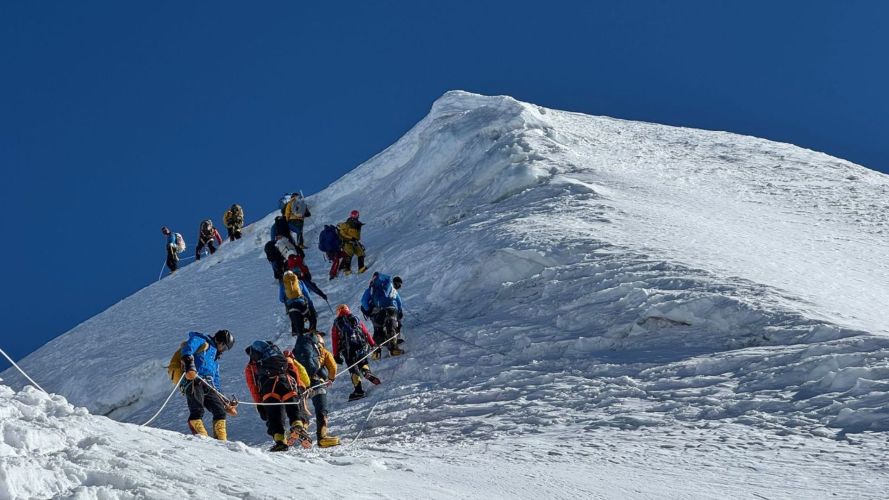
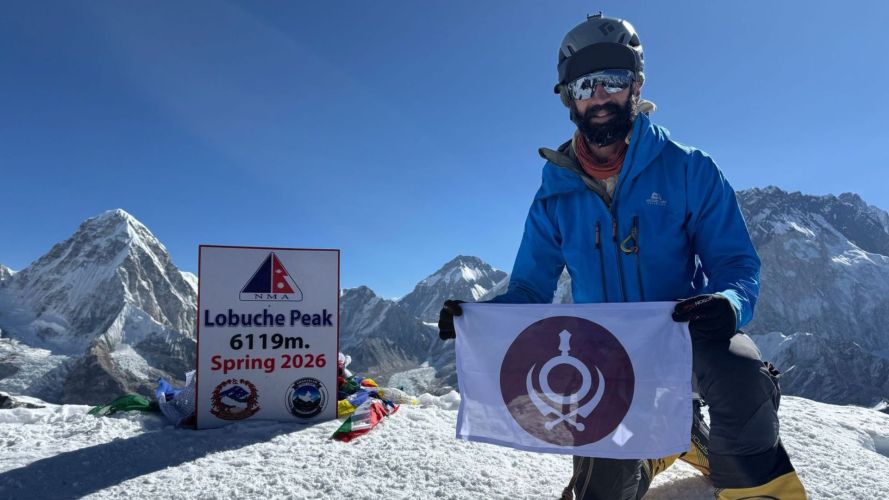
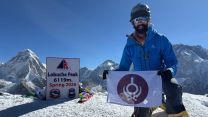
Their next destination is Lobuche East. Standing at 6,199 metres above sea level, it is a demanding physical and mental test, offering the team the chance to practise fixed-rope climbing before progressing to more technical ascents.
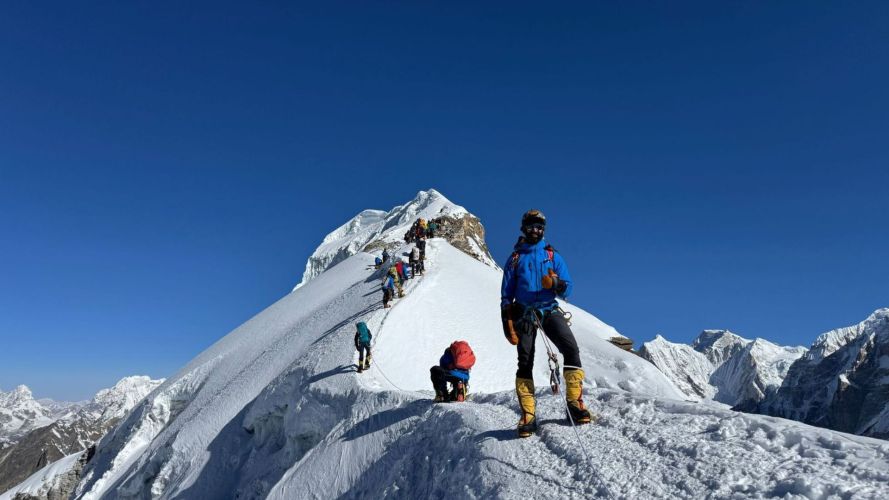
The Khumbu Icefall
Although not essential, tackling the summit served to give the team that all-important 'warm and fuzzy' before advancing on to Everest Base Camp, which sits at a significantly lower altitude of 5,364m.
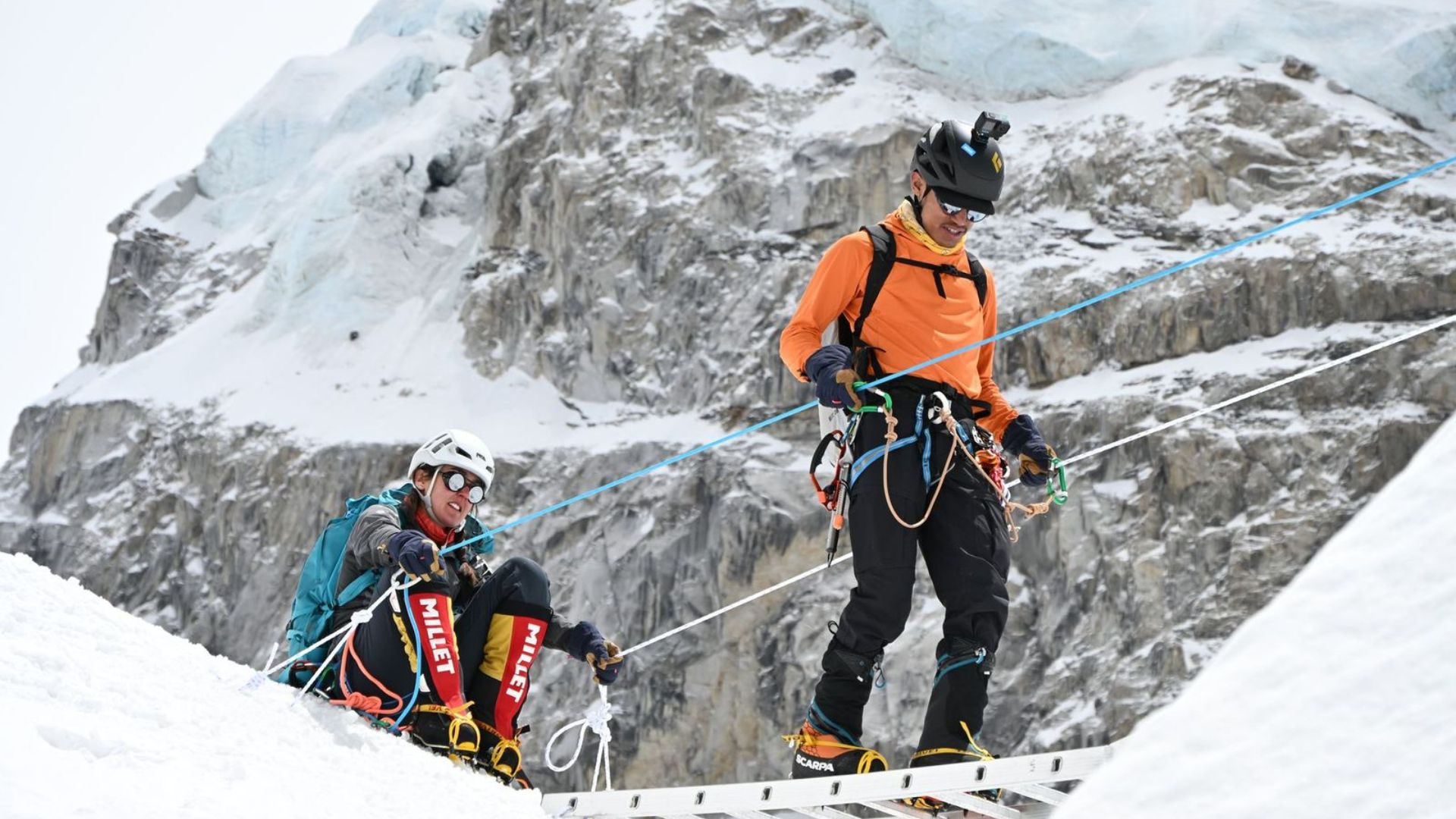
It was here that the Rangers Summit Everest expedition underwent additional mandatory training for what lay ahead, the most notoriously dangerous technical section of the entire summit: The Khumbu Icefall.
Connecting Everest Base Camp to the Western Cwm on the Nepalese side of the mountain, it is breathtaking as it is treacherous. Steep, fractured, and consistently shifting, the only way to navigate over its deep crevasses is through the use of aluminium ladders and fixed ropes to ascend its icy walls.
These are installed and maintained daily by a specialised team of local Sherpas – known as the icefall doctors – who scout the route, fix safety ropes along the moving glaciers, and lay across the ladders.
Speaking ahead of tackling this notorious section of the ascent, Lance Corporal Chris White told BFBS Radio about the training they were undergoing.
"We're practising on the lower levels of the Khumbu Icefall, the ascending, the descending, working with crampons, using the fixed point on the crampon throughout the front and just getting mentally prepared to cross one of the most dangerous places in the world," he said.
Despite the apprehension, LCpl White said arriving at Everest Base Camp became the "very moment of realisation how lucky and fortunate we are as a British Army team to have had the sponsorship to get everyone here", adding that it is one of those "once-in-a-lifetime opportunities".
Acclimatisation rotations
While at the base camp, climbers will also undertake what is known as acclimatisation rotations. Over several weeks, they will ascend and cycle through four high-altitude camps, adjusting to the thin air before returning to rest.
The importance of the well-known mountaineering mantra "climb high, sleep low" is paramount here. Aside from environmental hazards, deaths on the mountain occur due to altitude sickness, exhaustion, and severe hypothermia – most often during the descent, when the physical and mental strain of the ascent takes its toll.
If these rotations can be achieved without severe altitude sickness and with stable physiological responses, the climber is deemed acclimatised, and so begins the wait for an optimal weather window in order to launch a summit push.
For the team of British Army and Royal Marines personnel, the rest is history.
Mission accomplished
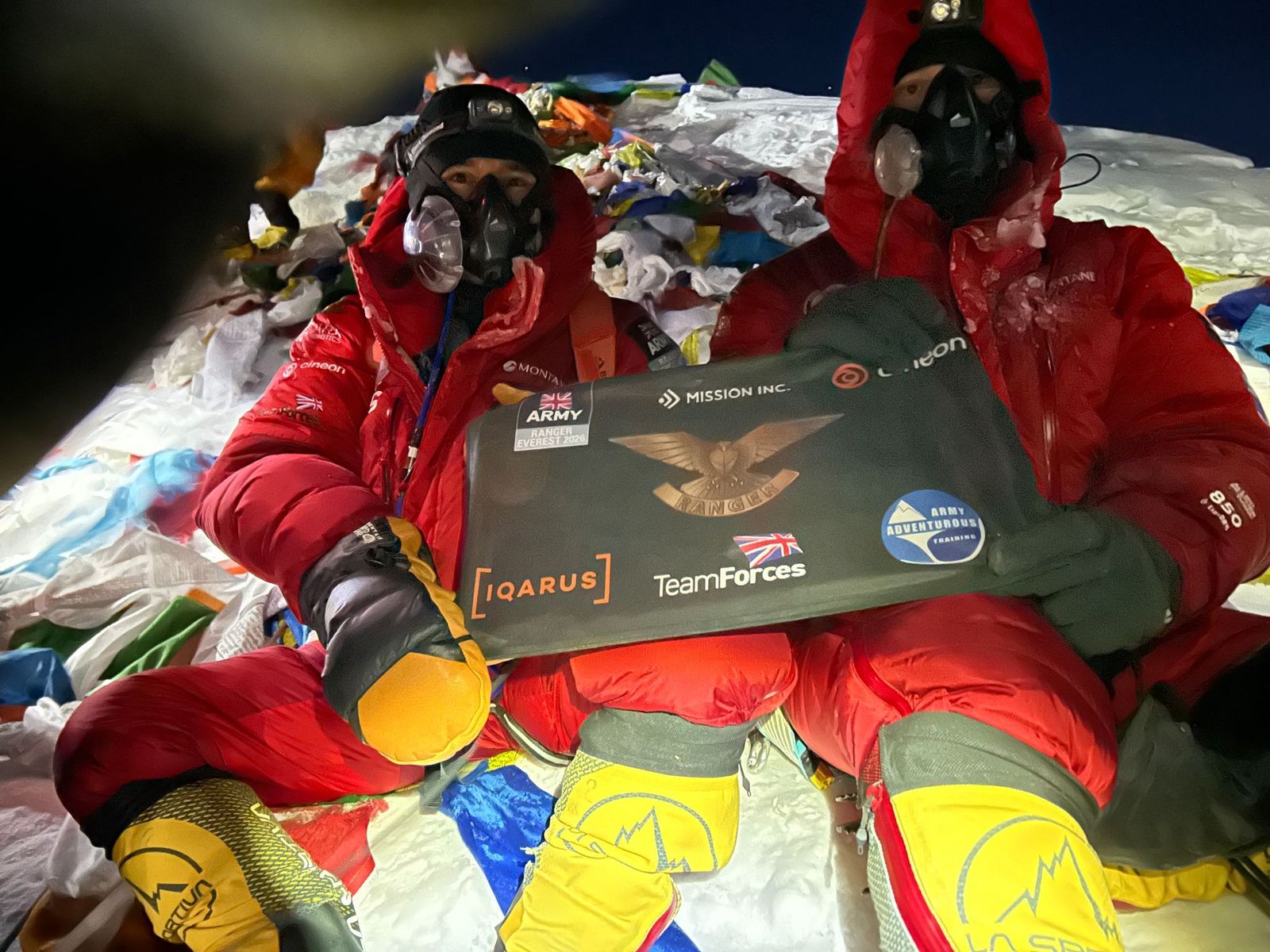
After years of meticulous planning and preparation, on May 23, the team reached the summit of Everest, able to claim an achievement that so few have accomplished.
Speaking to BFBS Gurkha Radio after safely returning from the summit and arriving with his team in Kathmandu, Expedition Leader Major Joe Adamson recalled his thoughts as he reached the summit of the mountain.
"If I'm honest, the first thing that reached my mind is it's time to get them all down again," he said, adding that a very narrow weather window meant the cut-off time from the summit was 4am.
"If we'd left any later, we'd have been hit by some very dangerous wind on the summit ridge," he explained.
As they descended, the sun began to rise, offering him his most memorable moment.
"It was the perfect triangular shadow cast over every other mountain that you can see with this beautiful light dazzling off the top. And it's something you earn the right to see – and the team did really earn it."
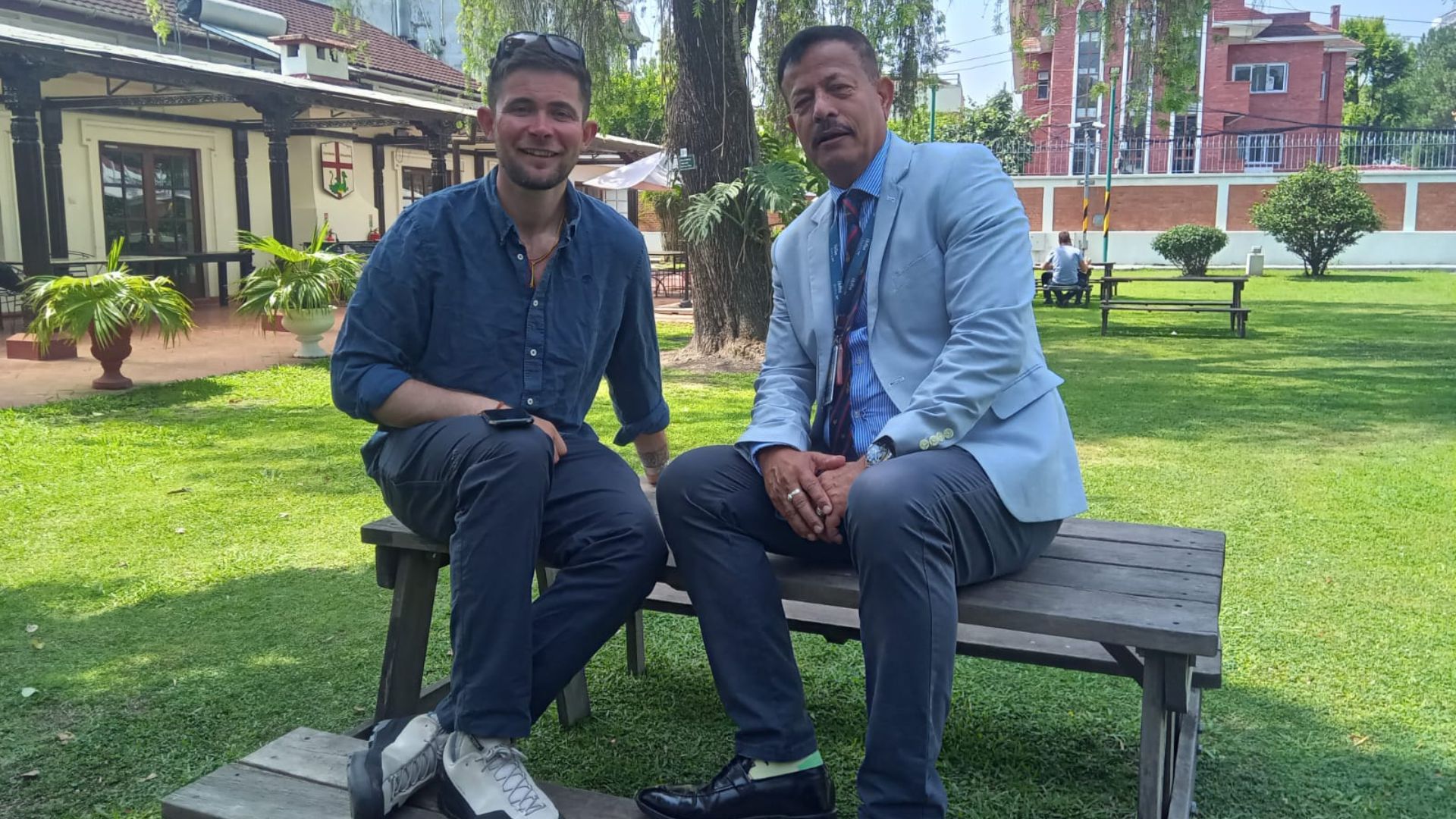
Extending his thanks to the Brigade of Gurkhas – particularly Brigadier Andrew Todd MBE and Major Gethin Davies, both of whom have led Everest expeditions and provided immense support to the team over the past year-and-a-half – he also thanked the Ranger Regiment, who supported them with a "plethora" of messages to help spur the team on.
The Ranger Everest Team was also supported by sponsorship and grants, including one from the charitable fund of BFBS, which is BFBS Forces News' parent charity.
"I'd really recommend it to anyone that's looking to organise an expedition to reach out and to seek BFBS support, and not just the financial side, but how we exploit this activity to make sure that people understand that there are these opportunities in the Army," Maj Adamson said.
Finally, he touched on the privilege it was to serve in the British Army, an organisation which he said supports this time of activity.
"When we're looking to develop our soldiers, develop our people, actually putting them in the most testing environments in the world and seeing how they react when they're tired, they've got no oxygen, they haven't slept, is an incredible experience.
"And to do it all with an amazing team of Sherpa mountain guides is a real privilege," he added.
Related topics
Join Our Newsletter