While the exact figure is unknown, it is estimated that more than 60 countries possess sea mines, and their stockpiles number in the millions.
For Iran, they serve as a tool to hold the Strait of Hormuz and the world's trade hostage. For Ukraine, a defensive measure, helping to restrict its Russian invaders' free movement in the Black Sea.
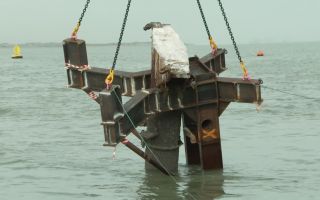
Yet beyond their sporadic and conflict-driven usage in today's battlespace, a persistent threat has been lying dormant for centuries: thousands of decades-old underwater sea mines from previous wars, contributing to an estimated 1.6 million tonnes of unexploded ordnance.
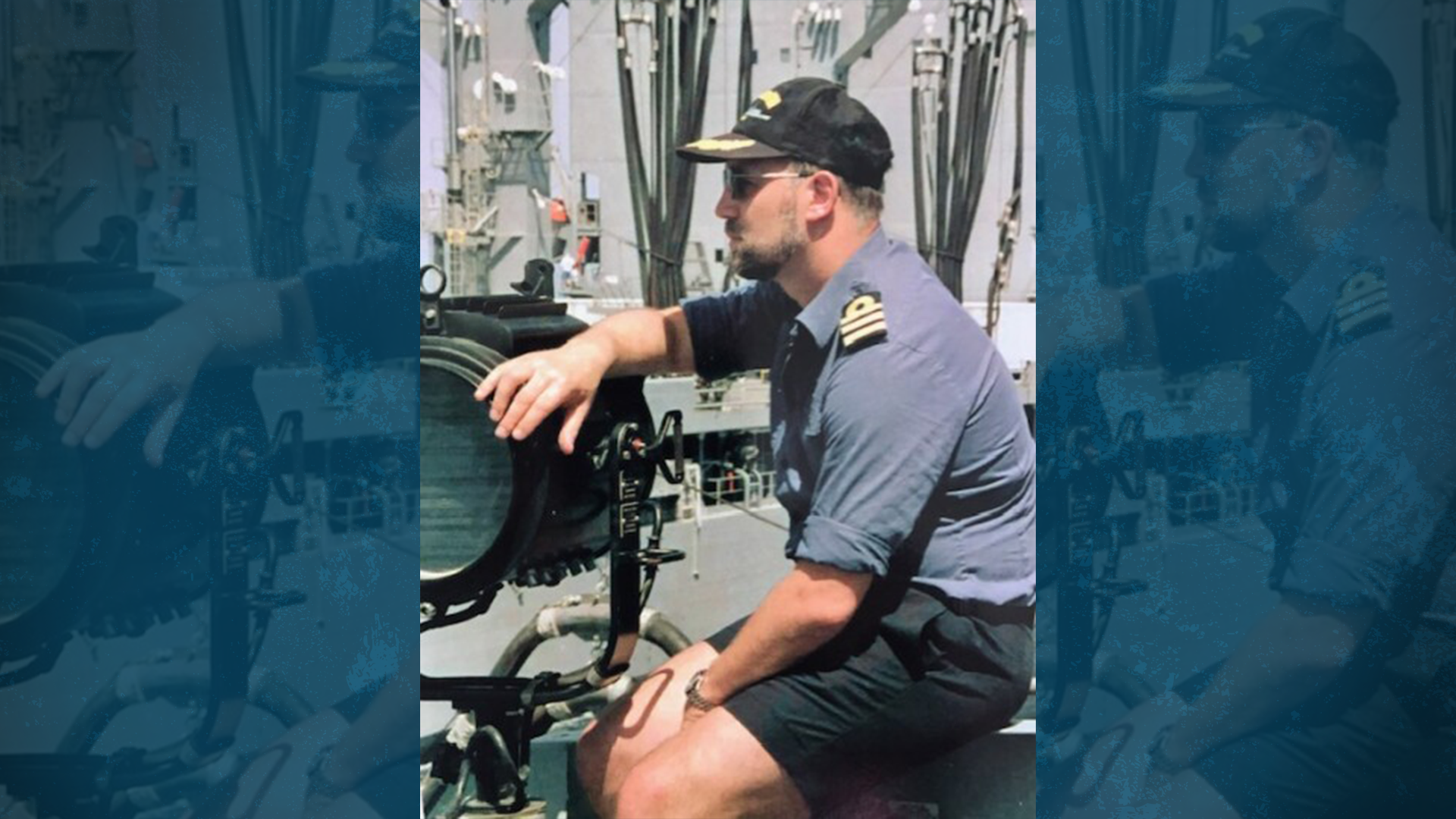
Speaking to BFBS Forces News, Former commodore Nick Stanley, who joined the Royal Navy in 1977 and qualified as a mine warfare clearance diver, recounts the history of the underwater sea mine through the First and Second World Wars and beyond.
During his 30-year career, he served on a range of mine countermeasure vessels, from the older Ton-class minesweeper HMS Bossington to the newer Hunt-class HMS Chiddingfold. He retired from the Royal Navy at the rank of commodore.
Weapons that wait
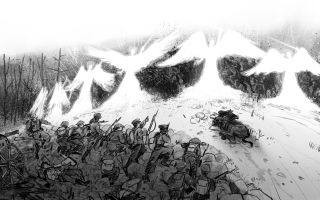
Sea mines were used extensively during the First World War. Highly sophisticated for their age, they were designed to explode on contact with the ship's hull.
In practice, finding and dismantling these mines was a simple task, explained the former commodore.
"Two vessels with a cable, chain, or wire between them, held down by a multiplane, would drag through the water, cutting the mooring cable of the mines," he said.
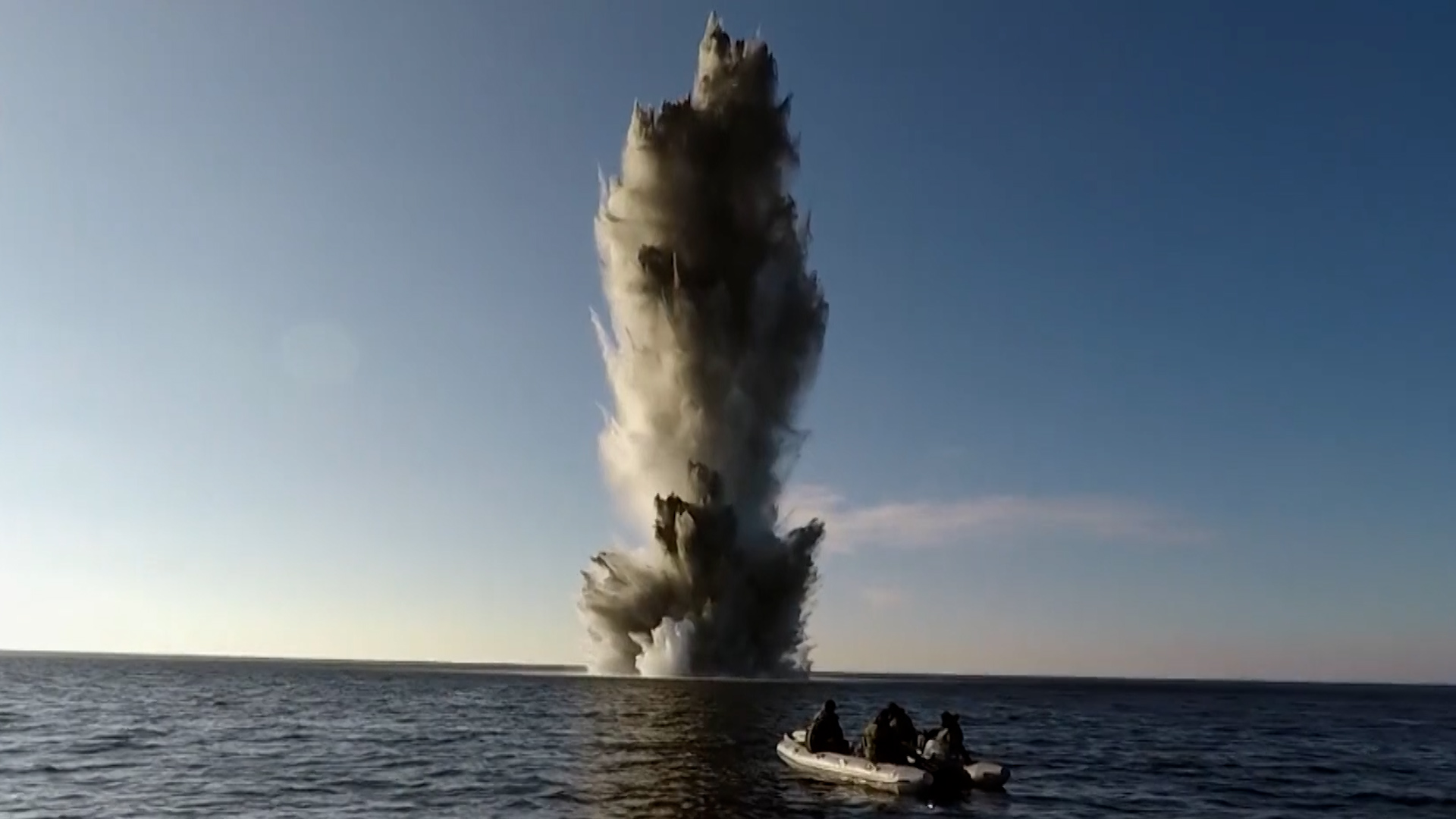
Once the mine surfaced, it would be destroyed using gunfire.
But it was dangerous work. Keeping shipping lanes clear of German mines became essential, and the effort came at a high cost – hundreds of vessels were lost, along with thousands of crewmen.
The latter stages of the First World War saw the emergence of the magnetic mine. Further developed by Germany during the 1930s, its use came as a "great shock" to the Allies, said Mr Stanley, and the Royal Navy found itself unable to keep pace.
Significantly more lethal and destructive than its predecessor, it was designed to detonate in response to the magnetic signature of a vessel.
"They were responsible for very heavy losses, and it really caught us on the hop," he said. "After that, there was a rushed effort to develop magnetic mine-sweeping capabilities."
From sweeping mines to precision minehunting
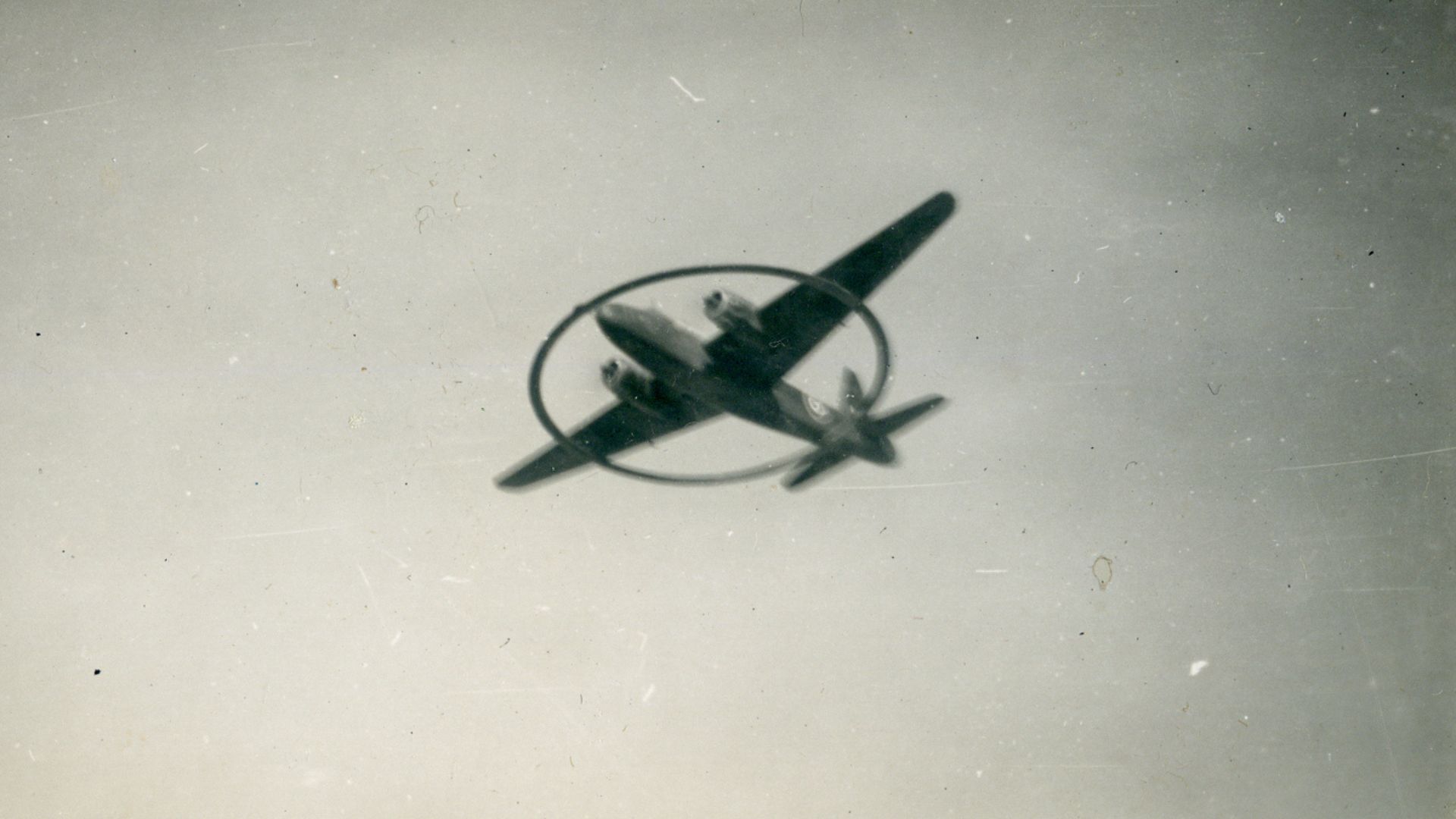
One such method involved modified Vickers Wellington bombers, fitted with balsa wood rings housing an aluminium coil. Flying low and slow, their engines powered a generator that produced a magnetic field stronger than that of a ship, thereby triggering submerged mines.
Another approach involved converting colliers or large merchant ships into improvised minesweepers, outfitted with an electromagnetic coil capable of generating magnetic pulses.
Ultimately, the Royal Navy adopted the Double L as its primary method for minesweeping. The technique involved trailing two buoyant cables that mimicked a ship's signature, causing them to explode on the sea floor.
More importantly, it kept the crew out of harm's way.
During the Normandy landings in 1944, the Allies encountered yet another technological development: the pressure mine, referred to by the Allies as "oyster mines".
Designed to detect the drop in pressure beneath a moving ship's hull, they were "pretty much unsweepable, which created a huge problem," explained Mr Stanley.
In the single deadliest incident of the entire beach invasion, MV Derrycunihy, a British cargo ship serving as a military transport vessel, struck an oyster mine off Sword Beach, resulting in 208 deaths.
Hundreds more were sunk in the years that followed.
"After the war, the Navy gradually moved away from mine sweeping because it could so easily be defeated," Mr Stanley continued.
"In addition to the signatures of the ships that had to be masked, the use of arming delays or ship counts meant that, many times, you'd have to sweep over a mine 16 or 17 times to get an actuation."
He added that the "workload on sweeping was very, very intensive."
New technology, less risk
From this challenge emerged a more sophisticated approach – what we now refer to as minehunting: a slower, more precise method that significantly reduces the risk.
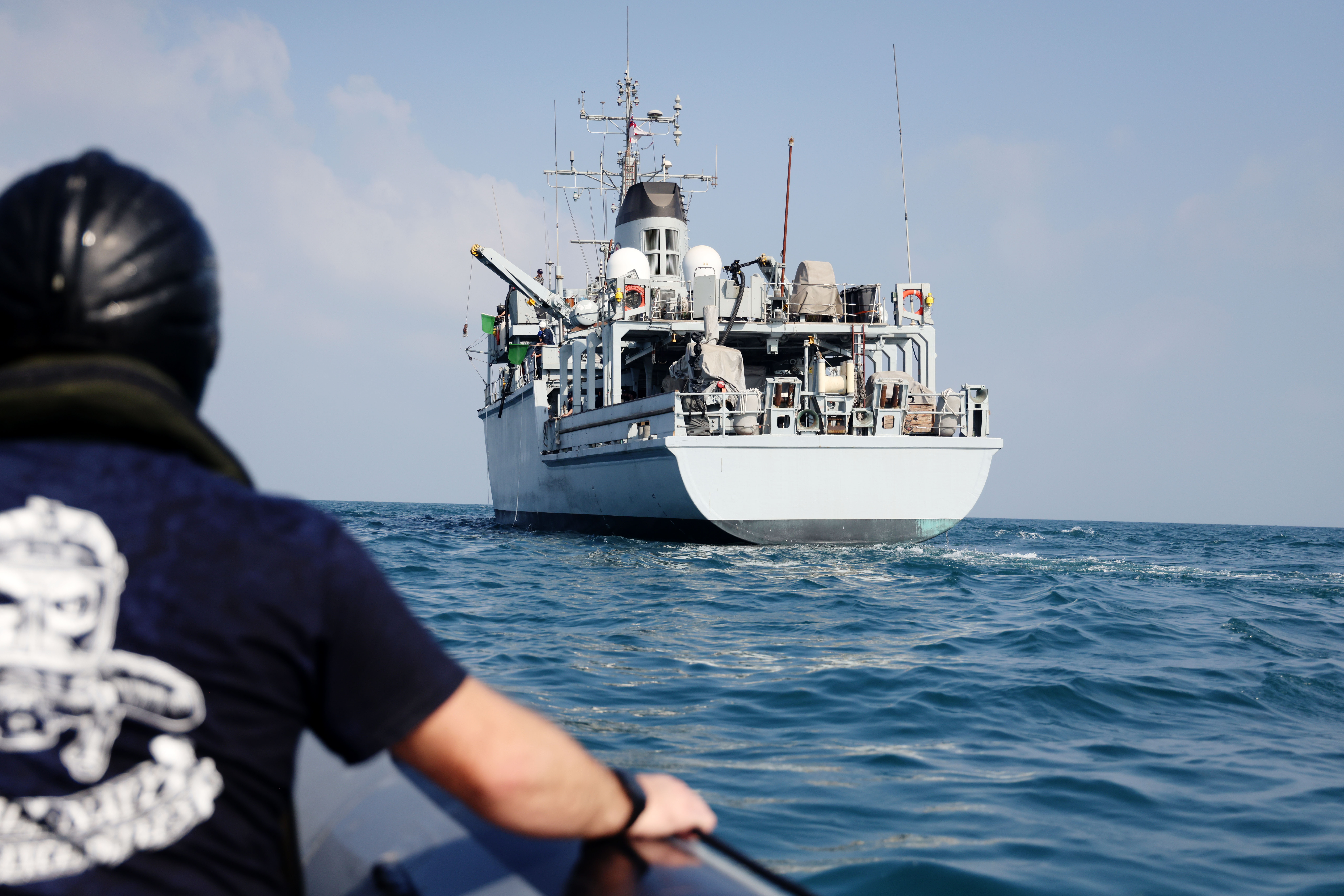
During his time on HMS Bossington, Mr Stanley said this new technique was conducted using high-definition sonars and a diving team, a method that remains largely in use today.
"You located the suspicious contact on the seabed that you classified as a mine, and put out a marker on it," he said. "A diving team would go down, lay a charge on it, or you'd use a mine destruction method suspended from underneath the rib."
He added that one of the key roles of these clearance divers was to recover mines or render them safe in order to exploit their technology.
Later, as second in command of HMS Chiddingfold – one of eight Hunt Class minehunters launched by the Royal Navy in 1983 – Mr Stanley saw the introduction of a remote underwater submersible, controlled via a fibre-optic cable from aboard the vessel.
"You would drive those down using sonar," he explained. "Using low-light cameras and TV screens, you could see what was down there and place a charge next to the mine."
It was through the development of these submersibles – or remotely operated vehicles (ROVs) – that has paved the way for newer, more advanced technologies.
Innovations such as the Sweep system, which operates remotely from shore or ship-based command centres, using sense and avoid technology, meaning it can work together with other similar autonomous systems, such as the Maritime Mine Counter Measures system and SeaCat Uncrewed Underwater Vehicles.
Autonomous systems such as these form a core component of the Royal Navy's Atlantic Bastion programme, which will pair traditional crewed vessels with uncrewed systems in an effort to protect undersea cables and pipelines from Russia.
It is a logical step, agreed Mr Stanley, but warns that challenges remain that were present 80 years ago.
"You still need to locate the mines to some extent, using underwater vehicles to indicate their presence. Otherwise, autonomous vessels might sweep over mines that aren't even live for another 30 to 40 days."
A bigger concern, he said, is scale.
"The new autonomous systems they are developing are single-shot systems – that's only one capability for one theatre.
"What happens if there's more than one live operation taking place? And if you lose your mothership, what else are you doing to do?" he said.
As the UK continues to explore options to facilitate the reopening of the Strait of Hormuz, RFA Lyme Bay has been fitted with cutting-edge, uncrewed systems – from underwater drones to minehunting vessels – and will act as a mothership for this next generation of technology.
Meanwhile, HMS Brocklesby – a Hunt-class mine countermeasures vessel – has finally departed Portsmouth for sea trials.
Together, these developments signal a new era in mine warfare. Not only is the Royal Navy preparing for any future conflict, but looks at new ways to continue locating and neutralising naval mines from past wars that still lie dormant beneath the waves.
Now an amateur historian, Nick Stanley provides a more in-depth look at this topic through his blog, found here.
Related topics
Join Our Newsletter