RAF Typhoons to fly defensive missions to protect Saudi Arabia from Houthi air attack

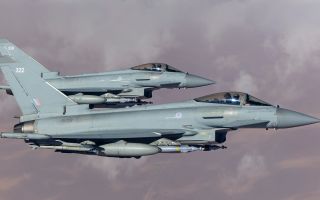
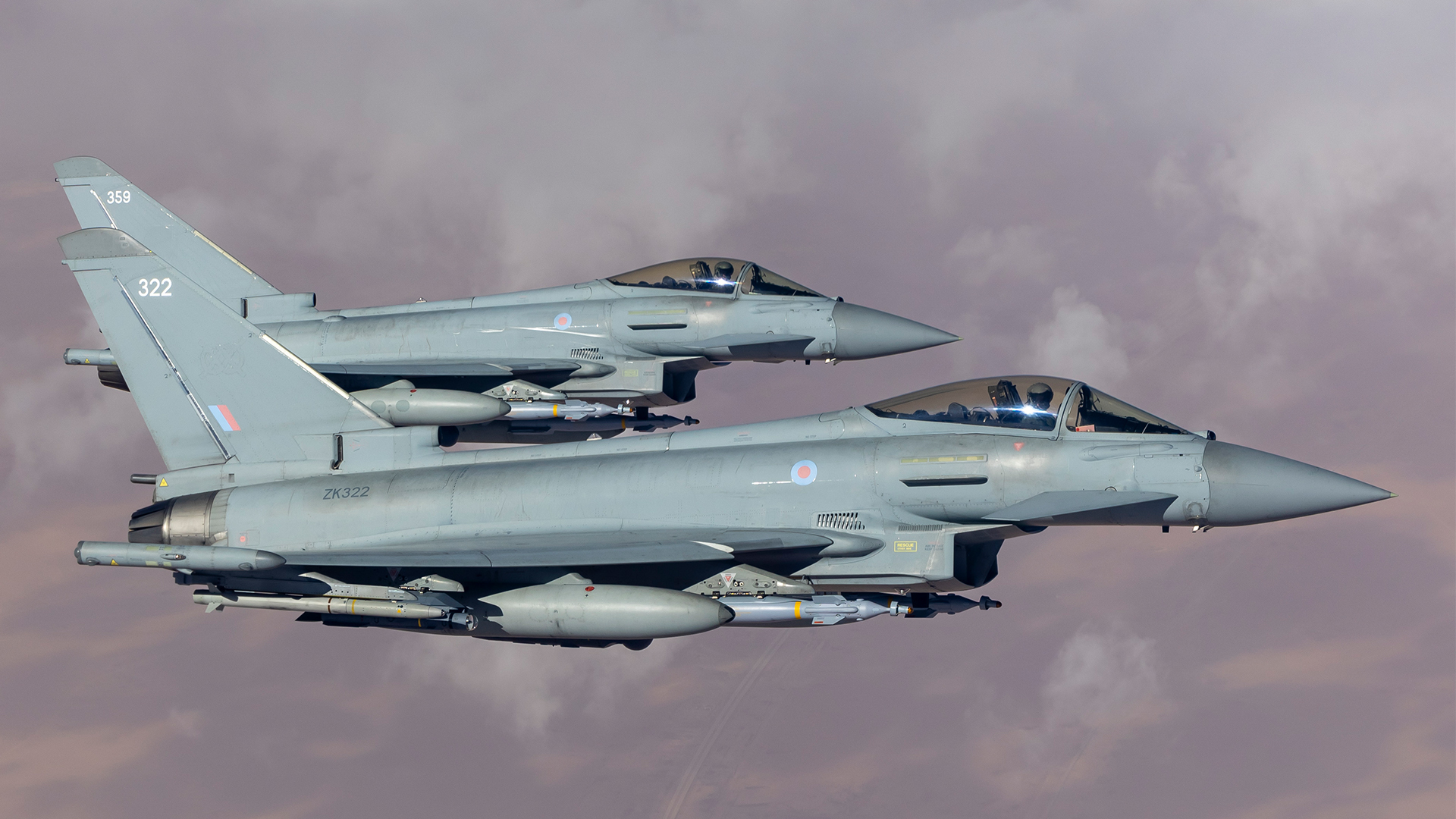
Royal Air Force Typhoons will be flying defensive missions to protect cities and key infrastructure in Saudi Arabia from aerial attacks by the Houthis.
The decision to provide additional military support to the kingdom was taken in the wake of escalating Houthi attacks in the region.
The MOD pointed out that the jets would be operating in a defensive role and would not conduct offensive strikes against the Houthis.
A defensive deployment
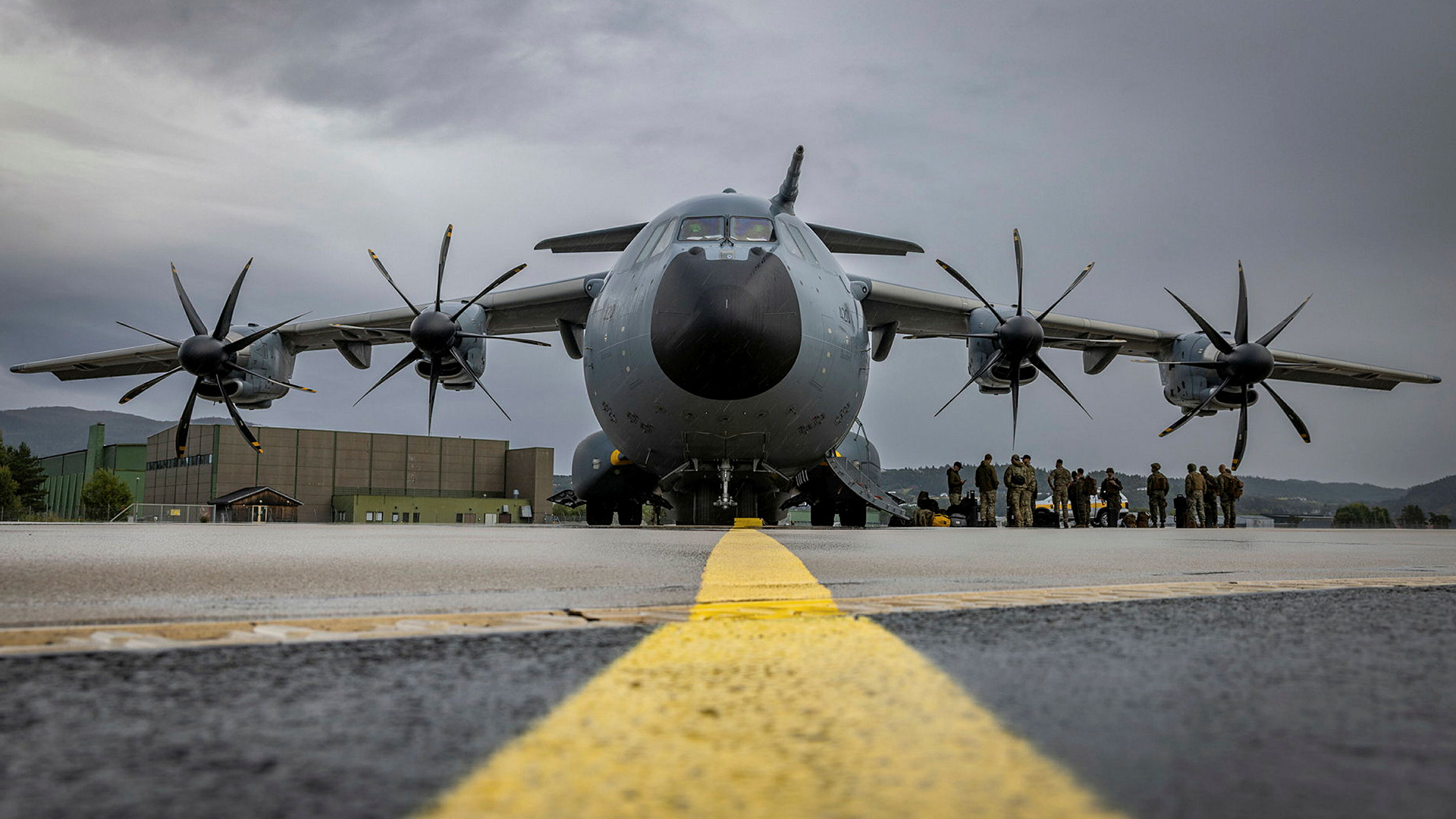
An RAF A400M Atlas is also being supplied to support the movement of defence materiel within Saudi Arabia, alongside UK military advisers to support Saudi staff officers.
This increased level of support builds on the UK's existing defensive military contribution to Saudi Arabia.
This includes the deployment of air defence equipment to protect against missile and drone attacks, as well as an extension of air-to-air refuelling support for Saudi defensive air operations.
The Royal Saudi Air Force, which also operates the Typhoon, has been carrying out operations to degrade Houthi military targets in Yemen that threaten the Saudi and Yemeni people.
The MOD said: "The Houthis' attempts to destabilise the region and undermine the security and stability of the Middle East are unacceptable.
"This reckless behaviour deepens Yemen's already devastating humanitarian crisis, and it is in the UK's national economic and security interest that they do not succeed.
"Escalating violence in the Gulf can have a serious impact at home in the UK – driving up the cost of living, disrupting energy supplies and costs to British businesses. It is also causing devastation to the civilian population in Yemen.
"We unequivocally condemn the Houthi attacks on civilian targets like King Khalid International Airport and are clear that Saudi Arabia and the Republic of Yemen have the right to defend themselves."
Attacks despicable
Defence Secretary Wes Streeting pointed to the recent attack on Riyadh airport, in which 12 people were killed and 309 others injured.
The Houthi attack was the deadliest in Saudi Arabia in more than a decade.
"The continuing attacks from the Houthis on our ally Saudi Arabia are absolutely despicable," said Mr Streeting.
"The targeting of the airport in Riyadh in particular shows the lengths the Houthis are going to escalate the situation in the region.
"That's why today I have approved further UK military support. RAF Typhoons will fly defensive air missions to help protect Saudi airspace from drones and missiles.
"This builds on the UK equipment and personnel we already have in the country to defend against Houthi air attacks."
MP concerned UK may be left exposed
However, not everyone was pleased with the decision to deploy the warplanes, with Liberal Democrat MP Mike Martin warning it could leave the UK exposed at home.
Mr Martin, who is a member of the Commons Defence Committee, said: "The Government is right – we have a shared strategic interest with the Saudis in a stable Middle East.
"[But] we also have an air force that has been hollowed out and is paper-thin at a time when our biggest security threat, Russia, is ramping up coercive attacks and threats to our critical national infrastructure.
"The Government needs to be clear that these planes aren't being taken off other tasks that support Euro-Atlantic security.
"Russia will of course use this move to its advantage if it can. The Government must not send the wrong signals."

Conflict over a decade old
In 2014, the Houthis, an armed political movement from northern Yemen, seized the capital, Sanaa, and took control of much of the country.
The next year, Saudi Arabia led a military coalition into Yemen to support the internationally recognised government and push the Houthis back.
In the period that followed, Saudi-led airstrikes and restrictions on access to Yemen contributed to a devastating humanitarian crisis.
The Houthis continued fighting and launched missiles and drones into Saudi territory.
A House of Commons report explains how in June 2026 the Houthis announced a "new phase" in the conflict with Saudi Arabia, centred on lifting the blockade against their air and sea ports.
Tensions and violence have grown, with the Houthis announcing a sea and air blockade on Saudi Arabia and conducting drone and missile attacks against sites in the kingdom, the first since 2023.
In turn, Saudi Arabia launched a maritime coalition and conducted airstrikes, the first since 2022.
The Houthis have since been able to capture several Red Sea coastal areas. Control over the Bab el-Mandeb Strait, carrying about 7% of global oil, is now disputed.
In September, the UK announced defensive support to Saudi Arabia in the form of a one RAF voyager air-to-air refuelling aircraft.
This was in addition to the UK's earlier deployment of air defences in 2026 – and is now being reinforced by the new deployment of the Typhoons and Atlas.
Join Our Newsletter