From a Belgravia pub to the battlefield? Grenadier enters the race to replace the Landy
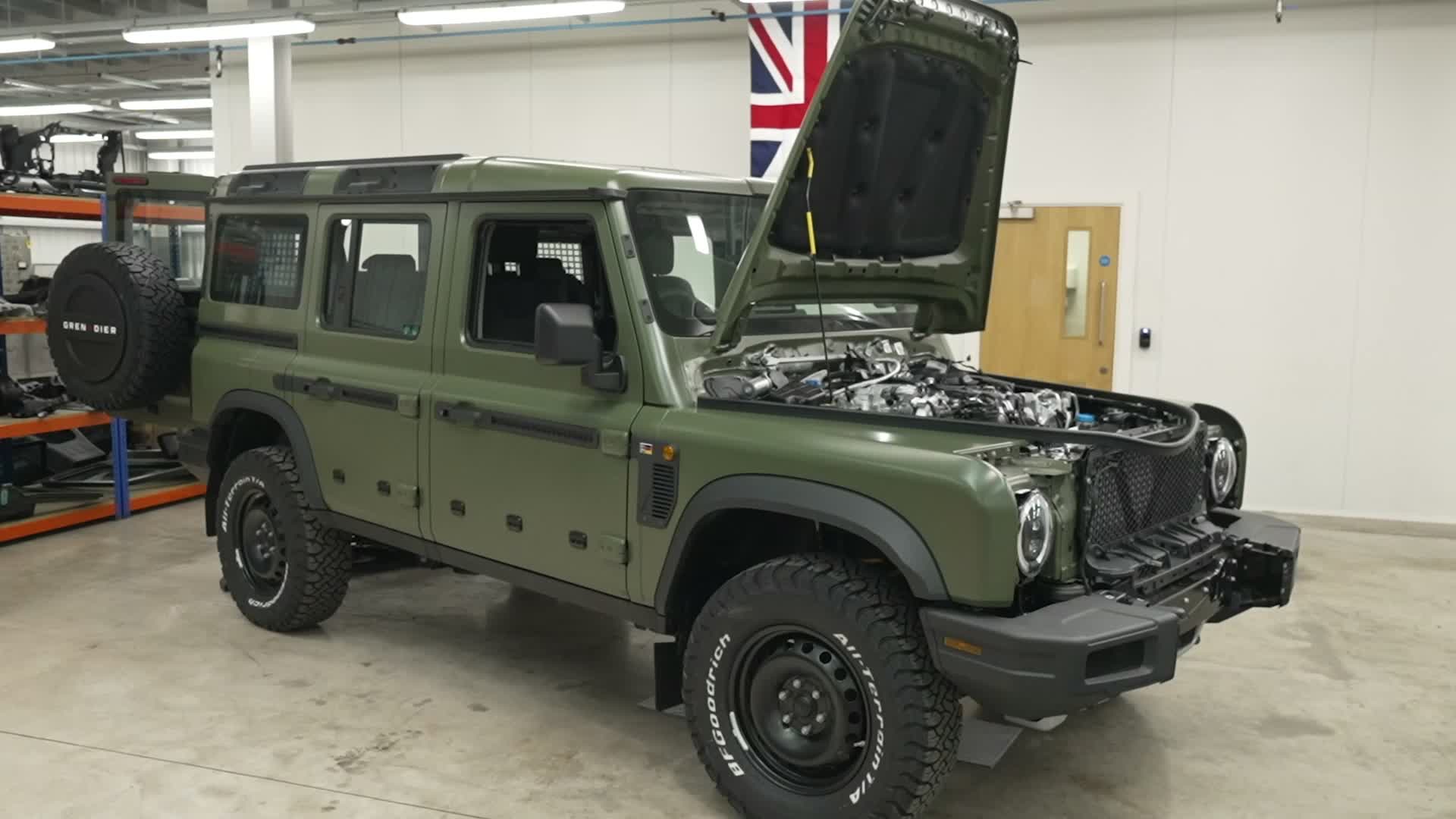
We arrive at a factory in Warwickshire to find a long line of shiny Ineos Grenadiers.
This is the official press launch of Team Grenadier, a consortium of five companies – led by Ineos – that is bidding to replace the British military's iconic Land Rover.
After 70 years of service, the Armed Forces' fleet of 5,000 active Landys is being retired, and by 2030 British military personnel will be driving something new.
- 'Mobile Coffins': How motorsport helped engineers save lives
- Jaguar Land Rover chasing MOD vehicle contract – to replace its fleet of Land Rovers
- Why do the Army's AFVs have wheels or tracks? The pressure's on to find the answer
A number of companies are vying for the new contract.
US giant GM Defense is offering its Infantry Squad Vehicle, already in use with the American military, while Jaguar Land Rover is putting forward its Defender Wolf Series II.
Ineos Automotive is a relatively new company.
The Grenadier was the brainchild of Ineos founder and chemicals billionaire Sir Jim Ratcliffe, who also co-owns Manchester United.
The idea for a new 4x4 was born over a drink at the Grenadier pub in Belgravia – hence the vehicle's name.
The Grenadier itself looks remarkably like the Land Rover Defender, and that is deliberate.
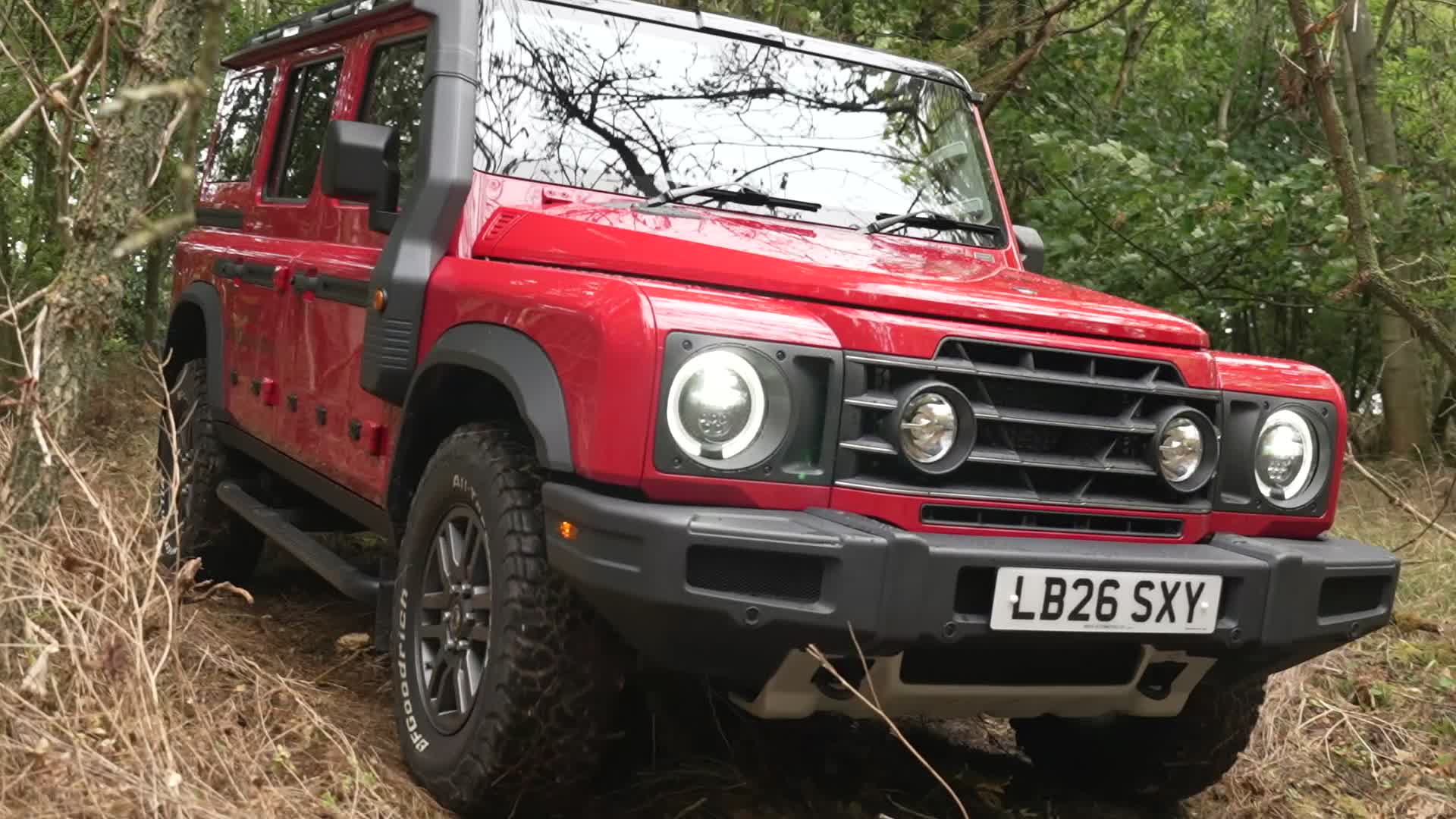
The Grenadier's front headlamps are interchangeable, and it has a traditional coil springs and damper suspension.
Apart from Apple CarPlay, it also lacks any external connectivity, a design feature Ineos believes will appeal to military customers looking for stealth.
"Wherever possible, we've tried to make the vehicle as simplistic as possible," Ineos's special vehicle manager, Sam Kuflik, tells me as we drive the Grenadier through woodland.
"So we've got mechanical seat adjustment, a mechanical steering column, we've even got a key and a place to put it. So it goes back to just being much more mechanical and analogue."
But is it really British?
Ineos knows the fact the Grenadier is made in France and has a BMW engine will raise questions about its "Britishness".
It points out that the company's HQ is in London, and says the reason the vehicles are manufactured in France was down to a lack of interest from the UK Government at the time.
As part of Team Grenadier, Ineos has also teamed up with several UK defence companies, including armoured vehicle supplier NMS and SMT Defence, which makes tactical vehicles and has a facility in Hereford.
If you dissect the military-grade Grenadier being offering to the MOD, Team Grenadier says its bill of materials is 70% British.
Several of the team working on the Team Grenadier bid also have strong military connections.
Former Royal Corps of Transport officer Tony Lewis is head of Ineos's global fleet sales.
In 2011, his 22-year-old son Conrad – a member of 3 Para – was killed in action in Afghanistan.
"Having run Land Rovers in all sorts of continents, the jungles of Belize, with the United Nations in Cyprus, in Oman and Kenya and in Europe, I know how important it is to have a reliable frontline light mobility vehicle," he told me.
"With the Land Rover going, this is it. This is the spiritual successor. It was designed to do that. You know, with my son, I think this is a bit of kit that, had he been given it, he'd still be here today."
Dealing with drones
Although the MOD contract is for a light mobility vehicle, Ineos is offering nine variants of the Grenadier to the MOD, making it - the company says - suitable for a variety of roles from logistics resupply to combat.
Proudly on display at this press launch is a prototype armoured Grenadier.
Fitted with a hardened steel body, it offers what Nato calls Standardisation Agreement, or Stanag, Level 2 protection, meaning it can withstand high-velocity rounds and artillery shrapnel at close quarters.
But what about the biggest vehicle killer in Ukraine – the first-person-view or FPV drone? How would the Grenadier cope with that threat?
Retired Blues and Royals officer James De St John-Pryce is business development manager at NMS UK.
He tells me this armoured Grenadier would offer troops enough protection to escape the immediate threat.
"You can seek cover in this vehicle because it might only take 60 to 90 seconds before more FPVs come on you," he explained.
"So that's an opportunity to survive – and not just survive, but survive to fight another day, as opposed to crews disappearing."
The Grenadier is already in use with special forces in Germany and France, plus a number of police forces in Eastern Europe.
In October, Team Grenadier and the other contenders vying for the Land Rover contract will deliver demo vehicles to the MOD.
A final decision on who has won the contract is reportedly due before the end of May next year.
Related topics
Join Our Newsletter