People of calibre: Find out which option you suggested for the SA80's replacement

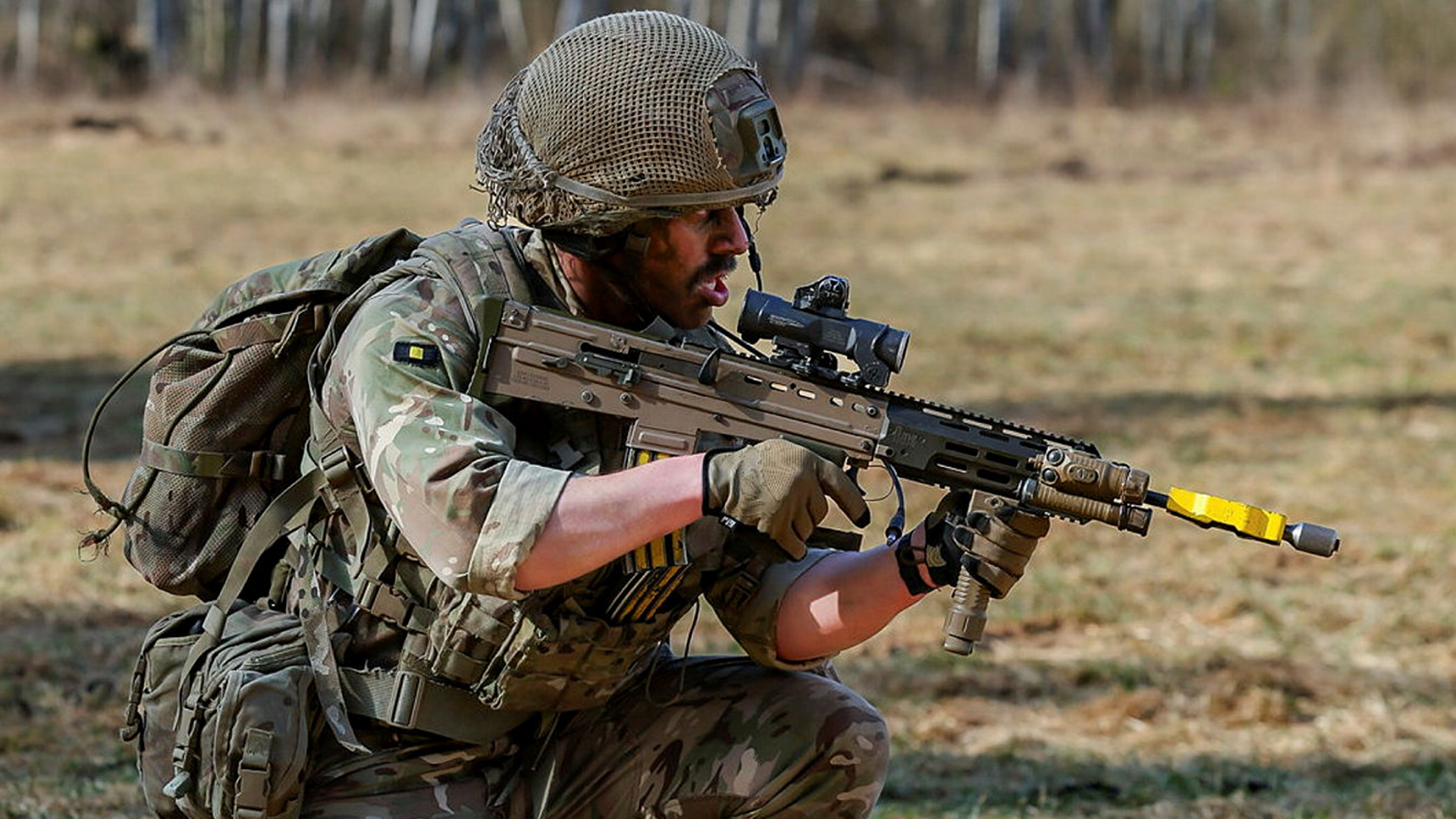
Project Grayburn is the MOD's quest to find replacements for the SA80 family of individual weapons, but arms manufacturers hoping to secure the contract have been given very little to go on in terms of a detailed brief.
Defence Equipment & Support (DE&S), the part of the MOD responsible for procuring and supporting equipment, is seeking direct replacements for the SA80 weapons that are currently in service – the L85A3, L85A2, L22 and L98.
Project Grayburn stipulates that the new weapons should be manufactured in the UK and the rounds should be able to defeat body armour – but no specific calibre has been suggested – so we asked you.
Four choices
Our YouTube audience was presented with four choices – 5.56x45mm Nato, 7.62x51mm Nato, 6.8x51mm Common Cartridge and 6.5 Creedmoor (6.5x48mm).
:: 5.56x45mm Nato
This, as the name suggests, is a common cartridge used across most Nato allies and is the calibre in which the SA80 is chambered.
It's accurate, and the fact that it's just under half the weight of a 7.62x51mm cartridge means more rounds can be carried for the same overall weight carried by the individual soldier.
Magazines are typically 30 rounds and due to STANAG – Nato's standardisation agreement – magazines are interchangeable between Nato weapon types of the same calibre.
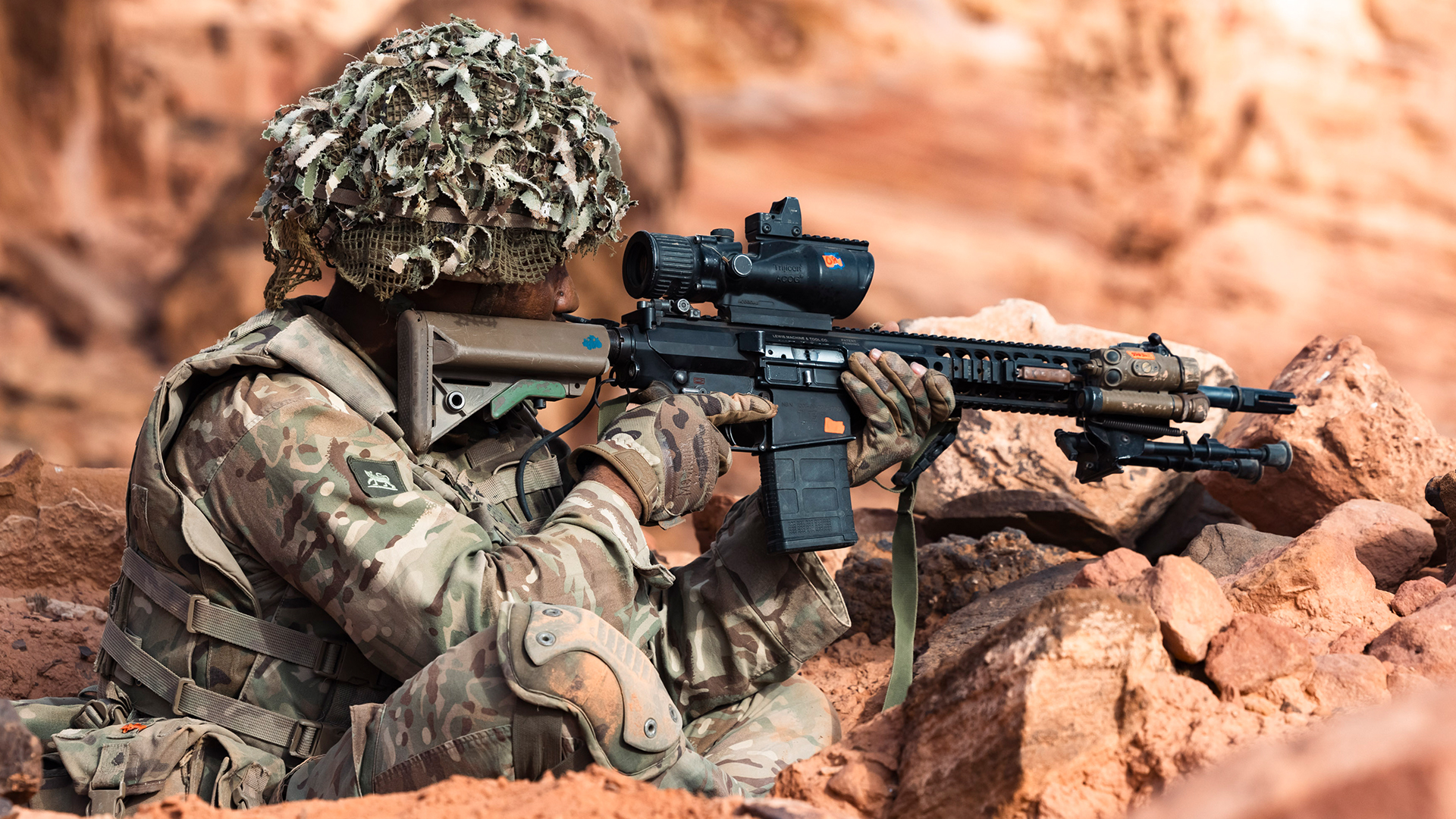
:: 7.62x51mm Nato
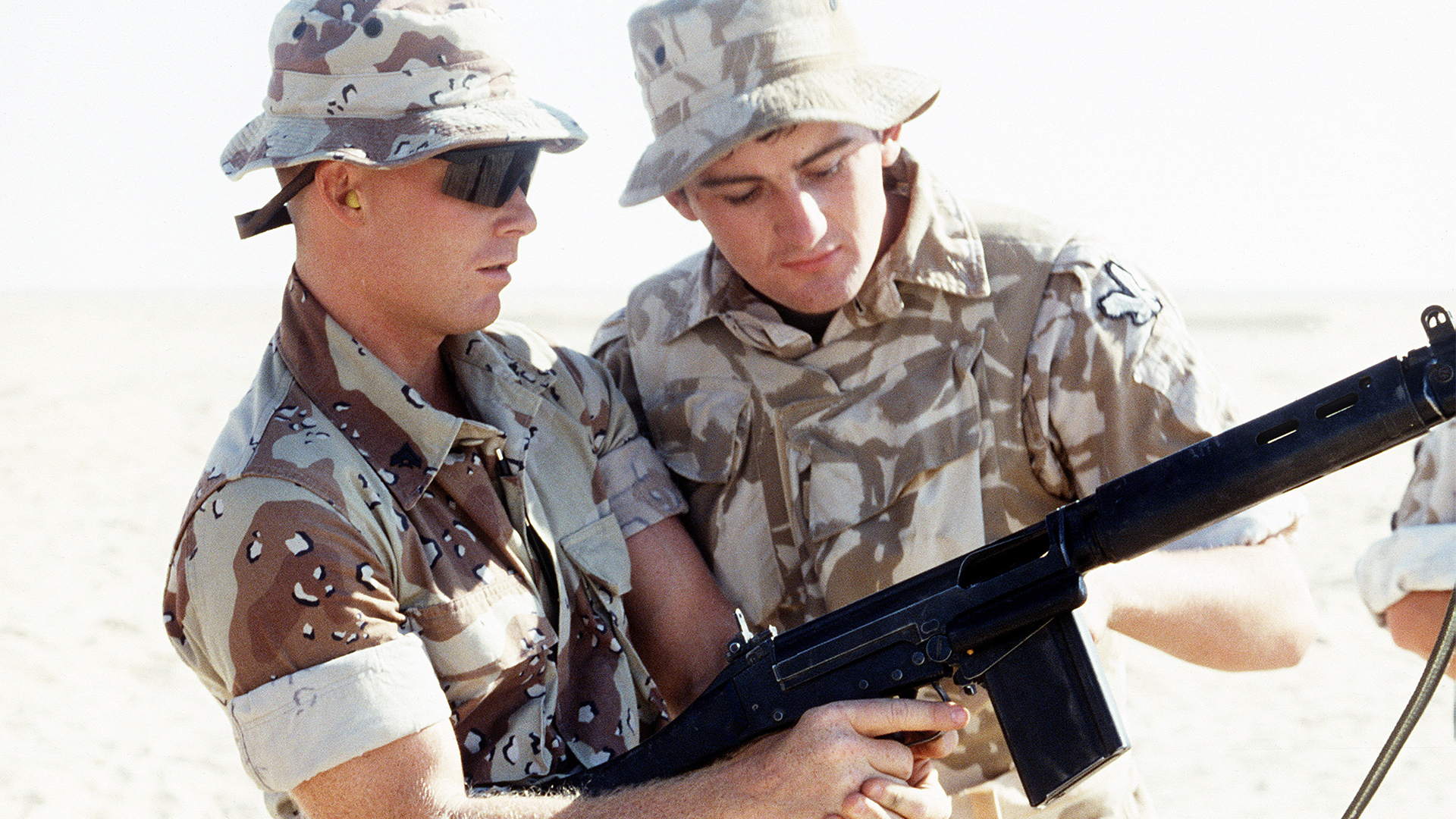
This calibre was well received for its lethality. In British service it was used in the much-loved L1A1 SLR.
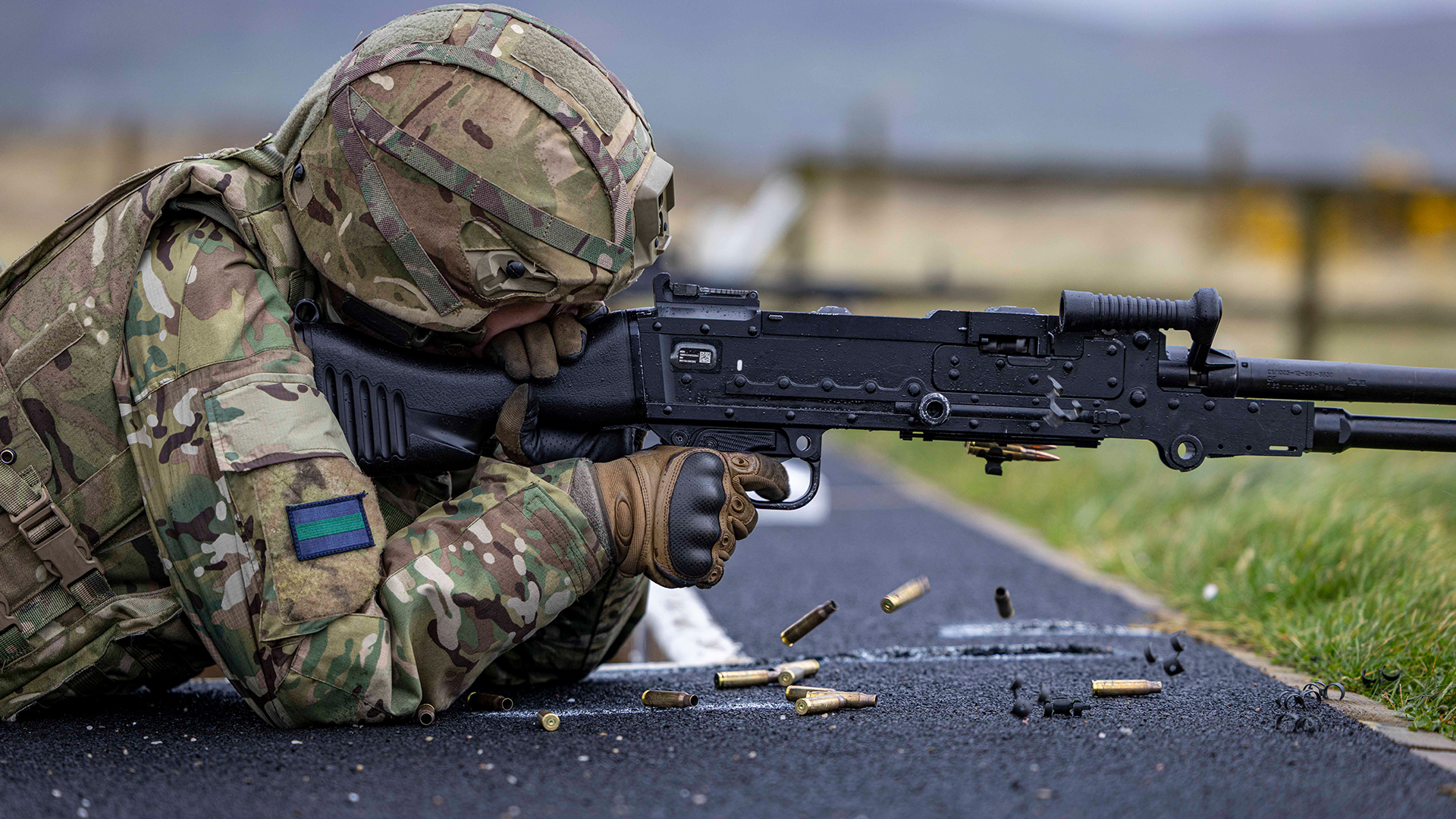
It continues to be used in the belt-fed General Purpose Machine Gun and the L129A1 Sharpshooter Rifle – a designated marksman weapon manufactured for the Armed Forces by Lewis Machine & Tool Company.
Its power comes at the cost of its physical size and weight.
SLR magazines could only take 20 rounds and, due to this relatively low capacity, the decision was taken to restrict the SLR to semi-automatic fire only.
:: 6.8x51mm Common Cartridge
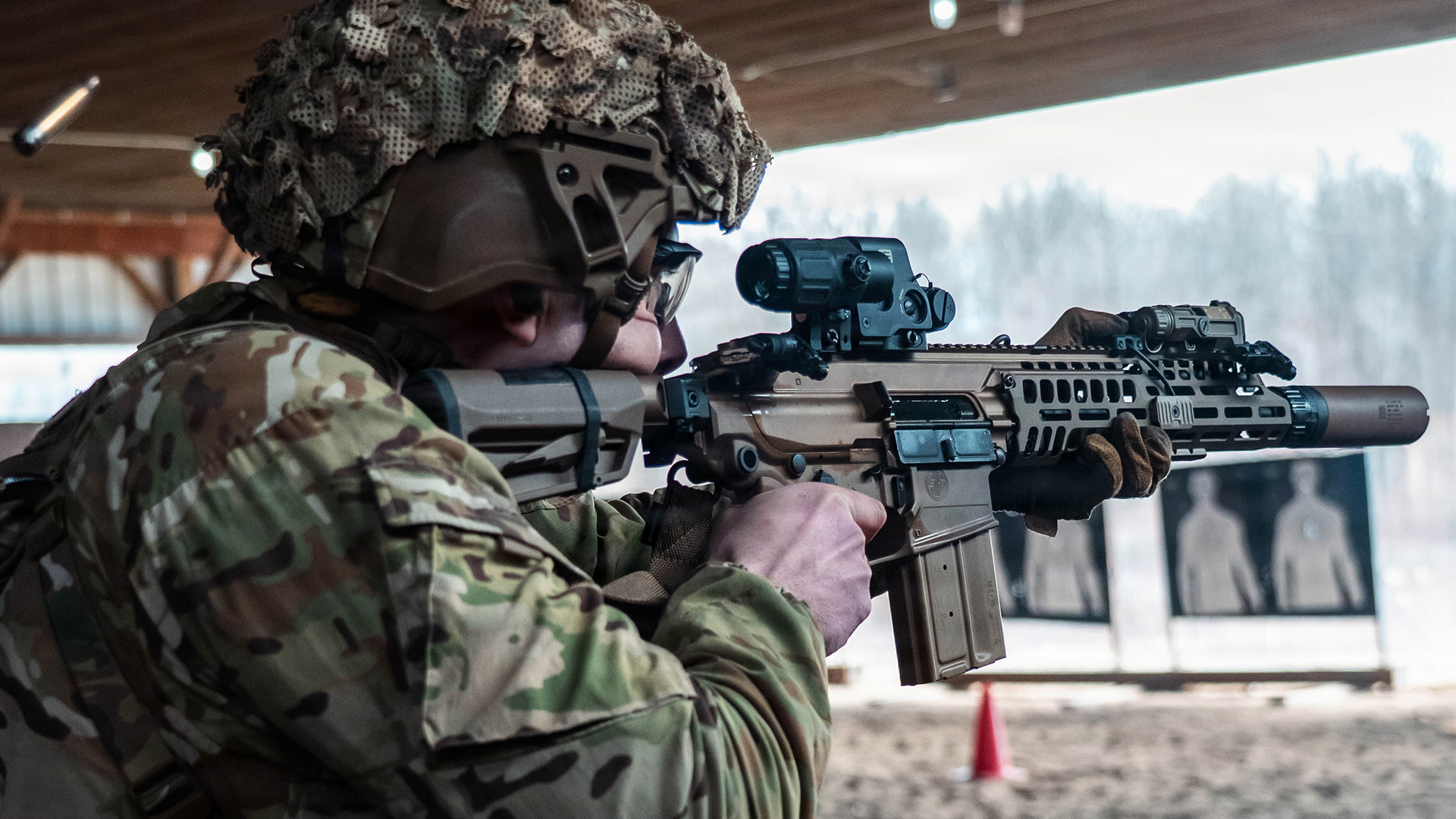
This is the US Army's current calibre of choice, it having chosen to abandon the 5.56x45mm of its M16/M4 family in favour of the more powerful intermediate cartridge.
It was initially used in the M7 rifle, and the new M8 is chambered in this calibre too.
While neither is as heavy nor large as 7.62x51mm, it was still enough to see early magazines restricted to a 20-round capacity, although these are being supplemented by 25-round examples.
:: 6.5 Creedmoor
This cartridge was initially developed by a company called Hornady for long-range target shooting but civilian hunters – and the military – quickly saw its potential.
It has a good reputation for excellent accuracy and ballistics, and in British service it's used in the L129A2 Sharpshooter Rifle – the aforementioned A1 being 7.62x51mm – but again this is a DMR, not an assault rifle.
What you said
"7.62 weighs more so you can't carry as much," argued one respondent. "Mobility wins battles and the SA80 is more than accurate enough as it is."
"6.8 is the best option," reasoned another. "Lighter than a 7.62 but [with] punching power and reach, guaranteed to drop targets when hit, unlike 5.56."
"Having used 7.62 and 5.56 I would back the former for both range and stopping power," stated another.
"Whatever allows us to integrate our logistics and manufacturing abilities with our European and CANNZUK allies. We cannot afford to try and be different with our standard munitions calibre right now," pointed out one person.
Another respondent argued the case for a calibre that wasn't one of the four given options – 6mm Advanced Rifle Cartridge (6×38mm), which is also known as 6mm ARC.
"It excels at longer ranges, is highly precise, lightweight, low recoil and fits in a small-frame rifle like AR-15s," they said.
"Designated marksmen and machine gunners should be equipped with calibres able to defeat [body] armour at range, but riflemen should retain the ammo capacity to lay down suppressing fire, remain lightweight and not have to have extremely long times on the range to get used to heavier calibre recoil impulses.
"Armour will inevitably be able to defeat all but the heaviest calibres in the near future, so forcing a round to just be able to manage Level 4 now at an extreme cost to weight and carried ammo is probably too great of a compromise.
"Sticking with 5.56 makes sense from some angles, but 6mm ARC solves the range and terminal ballistics limitations."
How did you vote?
With more than 10,000 votes cast, there was one clear winner with a strong runner-up.
In fourth place with 6% of the vote was 6.5 Creedmoor, followed by 6.8 Common Cartridge on 8%.
In second place with 36% of the vote was the UK's current individual weapon calibre of choice – 5.56 Nato.
But in first place with 51% was 7.62 Nato.
Unlike the SA80, YouTube poll results aren't very accurate, with the figures being rounded up or down, which is why the poll shows a total of 101% rather than 100%.
With numerous factors to take into account such as terminal velocity, weight, size, accuracy and ballistics, no single calibre will be able to deliver all of these, but our audience clearly came out in favour of the old faithful.
That wasn't lost on one respondent, who stated: "People saying 7.62 shows exactly which age demographic is answering the poll."
But will Defence Equipment & Support ever come out with its own specific calibre requirement?
Because until it does, potential bidders for Grayburn are just shooting in the dark.
Related topics
Join Our Newsletter