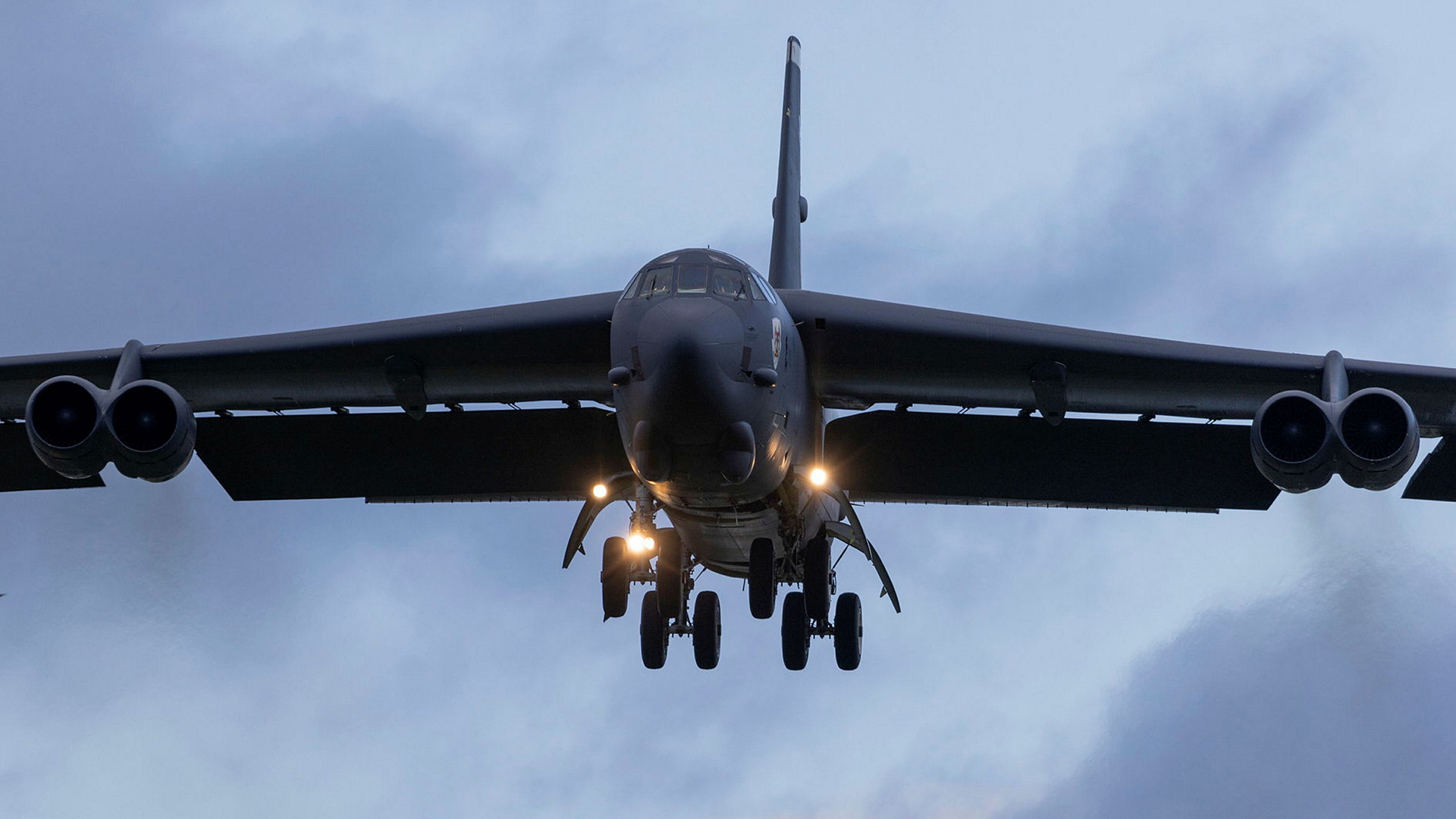
USAF remains tight-lipped on status of UK airbase threat level in wake of Fairford arrests

While several media outlets have been reporting a heightened level of security at US airbases in England following the incident at RAF Fairford on Sunday, the US Air Force has declined to comment on the specifics.
The USAF uses a system called Force Protection Conditions (FPCON), with some reports claiming RAF Fairford had been placed on Delta – the most severe.
However, a USAF spokesperson would only say: "We are aware of the current reporting. For operational security reasons we will not discuss specific force protection measures."
Despite not knowing the exact threat status, it is likely to be substantial – but not necessarily due to the weekend arrests and the men's subsequent release on bail.
US military bases – if not already – will no doubt all have been on a raised FPCON in the wake of Operation Epic Fury.
The United States, alongside Israel, launched a military campaign against Iran on 28 February this year.
As US Secretary of War Pete Hegseth said: "The mission of Operation Epic Fury is laser-focused: destroy Iranian offensive missiles, destroy Iranian missile production, destroy their navy and other security infrastructure – and they will never have nuclear weapons."
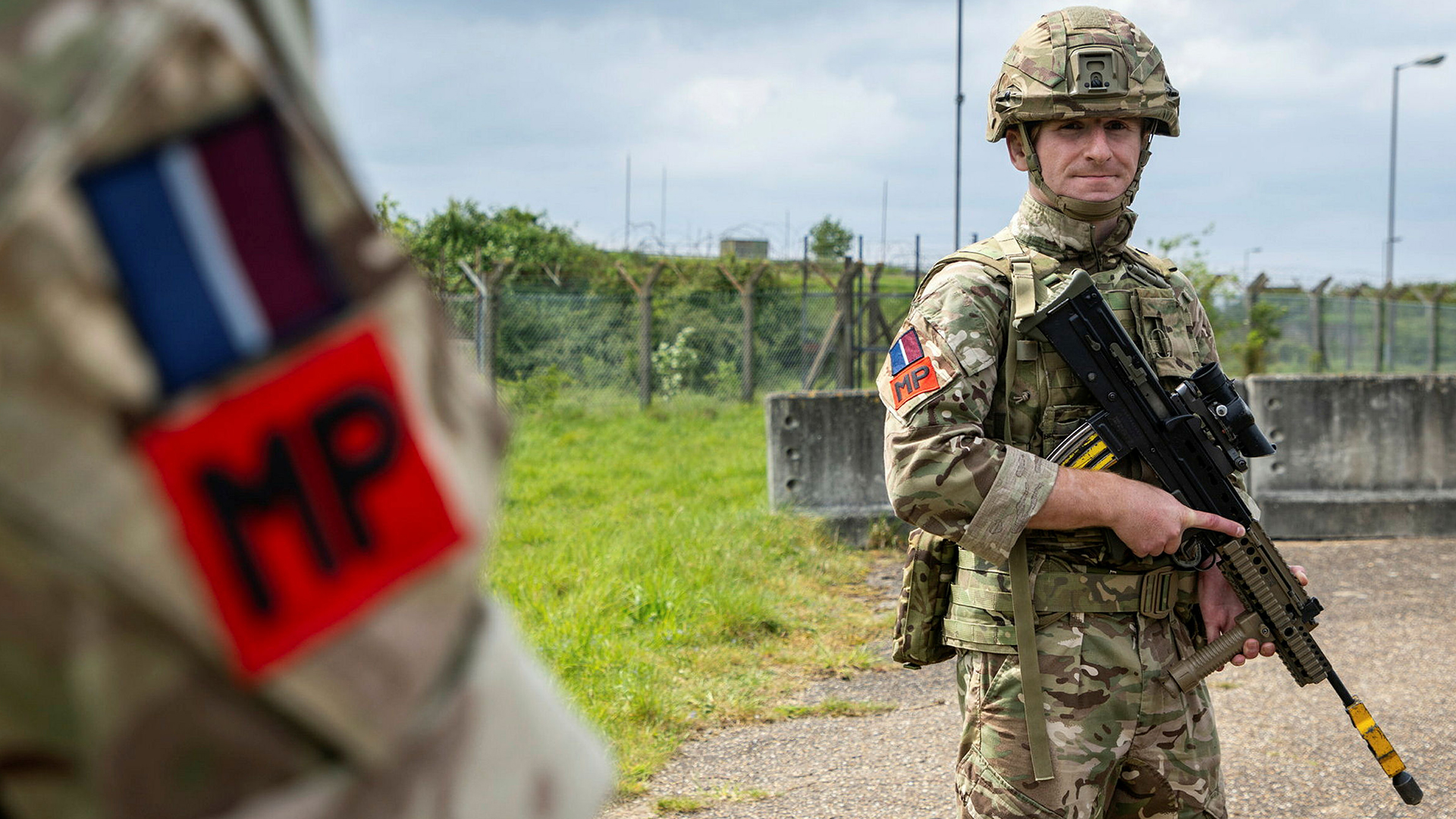
Be alert – but not alarmed
The UK uses a different system – National Threat Level – to indicate the severity of current threats to national security.
This was raised from Substantial, meaning an attack is likely, to Severe, meaning an attack is highly likely, back on 30 April.
The Joint Terrorism Analysis Centre raised the level following a stabbing in Golders Green in North London, but it insisted this was not solely a result of that attack.
As the Civil Nuclear Constabulary and Civil Nuclear Police Authority pointed out, the terrorist threat level in the UK had been rising for some time, driven by an increase in the broader Islamist and extreme right-wing terrorist threat from individuals and small groups based in the UK.
They explained: "While the UK National Threat Level set independently by JTAC reflects the terrorist threat in the UK, it comes against a backdrop of increased state-linked physical threats which is encouraging acts of violence, including against the Jewish community.
"This is an independent, systematic and rigorous process, based on the very latest intelligence and analysis of internal and external factors which drive the threat.
"For the public, this means remaining alert but not alarmed. If you see anything that doesn't feel right report it via the ACT Action Counters Terrorism website. In an emergency always call 999."
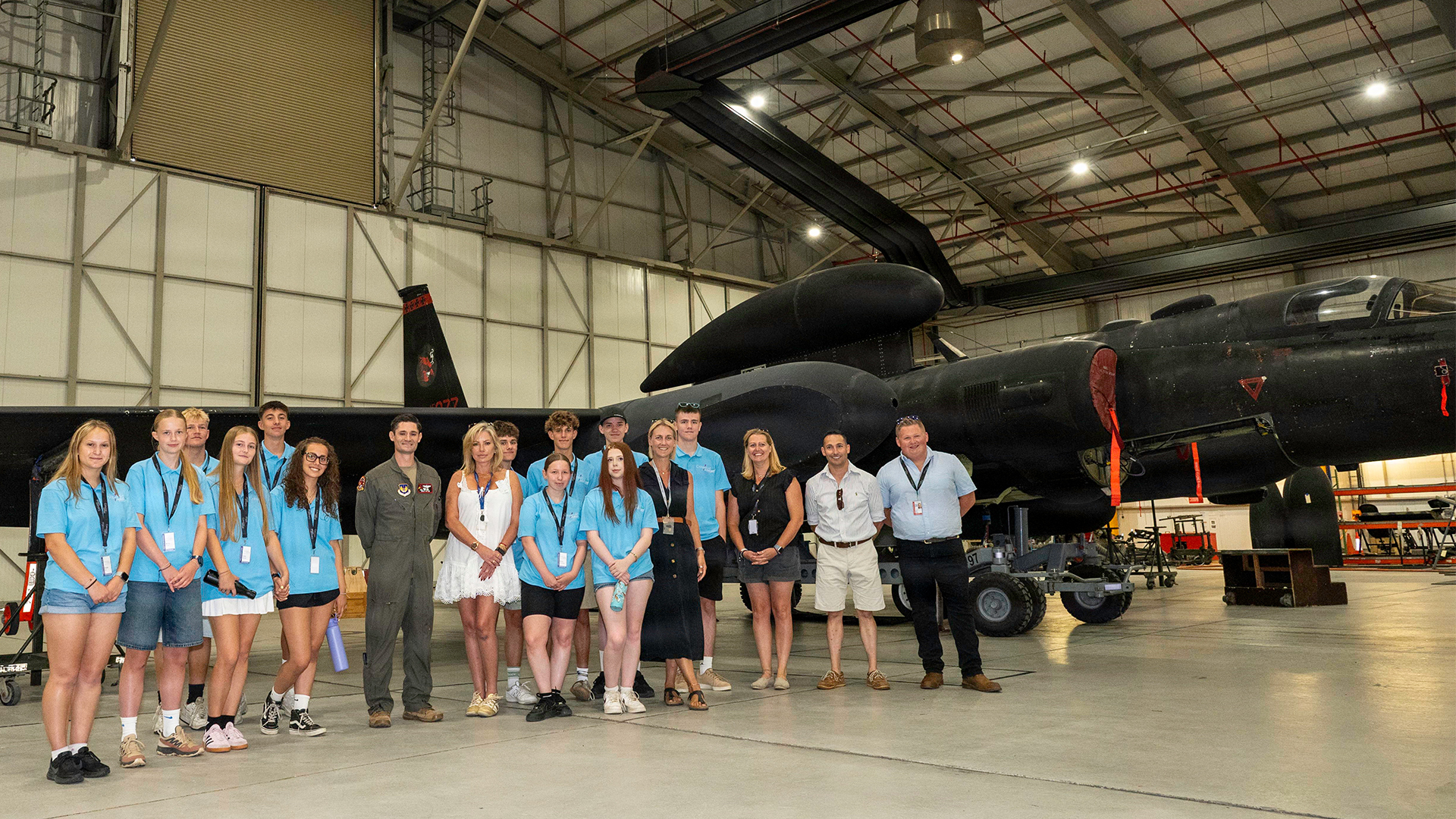
FPCON and the five Ds
US Department of War establishments use the FPCON system, which is split into five levels, these being:
:: FPCON Normal: applies at all times as a general threat of terrorist attacks, hostile acts, or other security threats, always exists in the world.
The aim is to Deter
:: FPCON Alpha: applies to a non-specific threat of a terrorist, of a terrorist attack or hostile act directed against US Department of War elements and personnel.
The aim is to Detect
:: FPCON Bravo: applies when an increased or more predictable threat of terrorism attack or hostile act exists and is directed against US Department of War elements and personnel.
The aim is to Delay
:: FPCON Charlie: applies when a terrorist or hostile incident occurs within a commander's area of interest or intelligence is received indicating a hostile act, some form of terrorist action or targeting of US Department of War elements, personnel or facilities.
The aim is to Deny
:: FPCON Delta: applies when a terrorist attack or hostile act has occurred or is anticipated against specific installations or operating areas.
The aim is to Defend
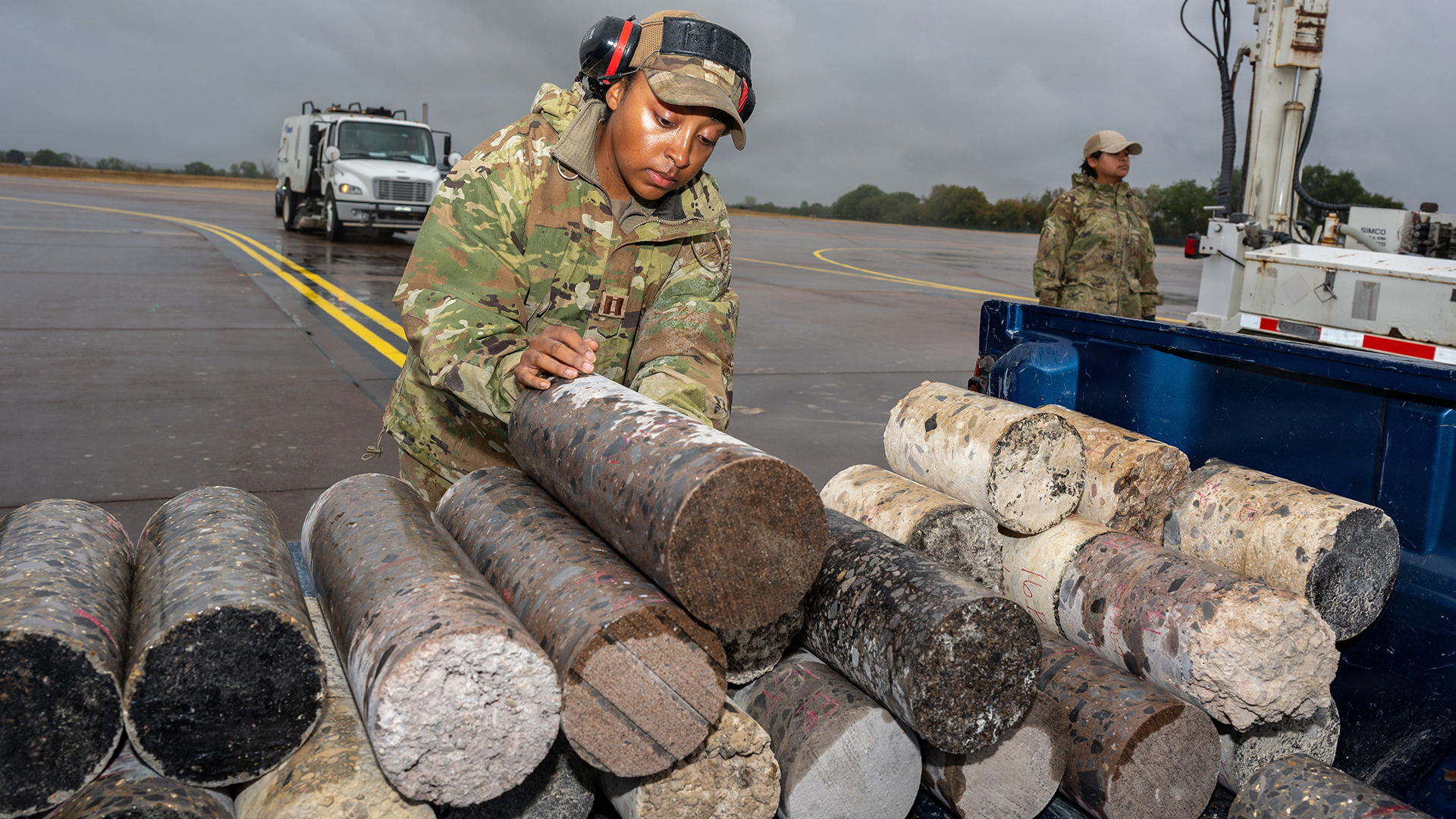
Keeping Fairford fit to fly
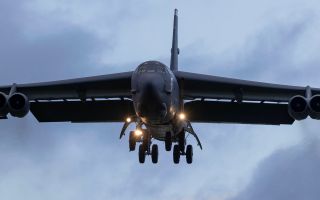
RAF Fairford is of vital importance to the USAF, being its primary heavy bomber base in Europe.
It hosts aircraft such as the B-52 Stratofortress, the B-1 Lancer and the B-2 Spirit, as well as the U-2 Dragon Lady, a venerable, but also crucial, long-range reconaissance aircraft.
In order to keep these aircraft flying, the base itself needs to be maintained to a sufficient standard, and earlier this month core samples were drawn from the ground.
These samples provide engineers with a physical cross-section of the paved areas, helping them to determine what aircraft loads the airfield can safely support.
Join Our Newsletter