Forgotten no more: Search the stories of 12,500 Coastal Command heroes lost in WW2
The names and stories of 12,500 'forgotten' men and women who lost their lives serving with Coastal Command during the Second World War can now be searched online for the first time.
The Coastal Command Losses Database was officially launched at the International Bomber Command Centre (IBCC) in Lincoln this week, bringing together what is believed to be the first truly comprehensive record of Coastal Command losses.
You can search the Coastal Command Losses Database here.
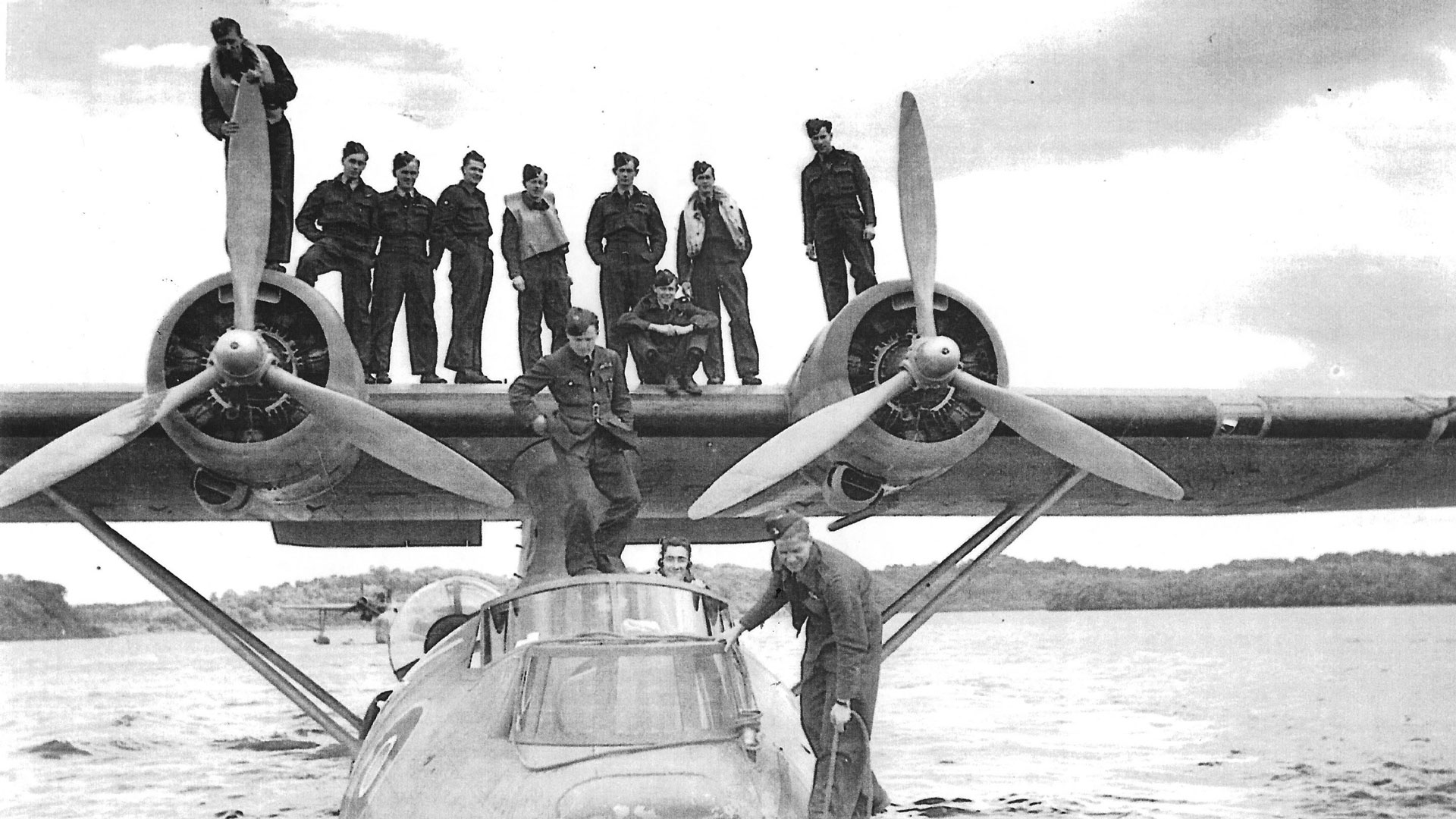
Described as the Royal Air Force's 'Cinderella Service', it was often overlooked in favour of the better-known Bomber and Fighter Commands.
Yet its work was fundamental to the Allied war effort, protecting vital sea lanes, hunting German U-boats, escorting Allied convoys and attacking enemy shipping.
More than half of those who died serving with Coastal Command have no known grave.
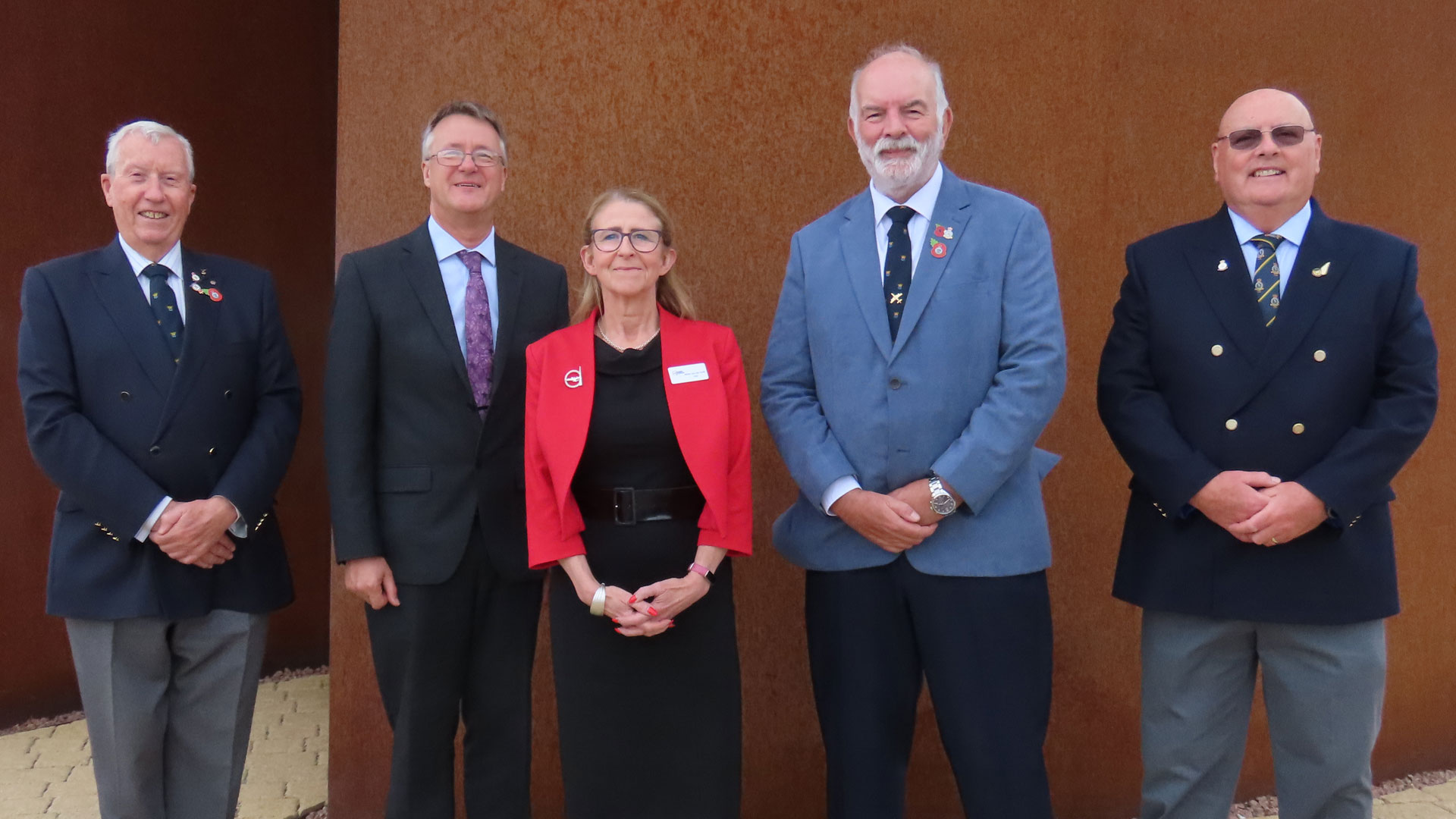
The project has been led by IBCC Trustee and Losses Archivist Dave Gilbert, who has spent more than 13 years developing the IBCC's Losses Database.
Yet its work was fundamental to the Allied war effort, protecting vital sea lanes, hunting German U-boats, escorting Allied convoys and attacking enemy shipping.
More than half of those who died serving with Coastal Command have no known grave.
The project has been led by IBCC Trustee and Losses Archivist Dave Gilbert, who has spent more than 13 years developing the IBCC's Losses Database.
Dave identified more than 2,000 additional Coastal Command losses that had not previously been recorded and spent more than 1,000 voluntary hours on the project, adding information including next of kin, ages and home towns.
He said: "You cannot understand the bombing war, or the people who fought it, without understanding Coastal Command.
"Its contribution was vital, but because it lacked the headline drama of Bomber Command it has often been overlooked.
Among those remembered is Squadron Leader Stanley Muller-Roland.
Flying Bristol Beaufighters on anti-shipping operations over the North Sea, Stanley completed 19 operations with the squadron before his final mission on 3 October 1944.
During an armed reconnaissance off the Dutch coast, his aircraft was hit in the starboard engine while attacking enemy shipping.
Sqn Ldr Muller-Roland and his navigator abandoned the stricken aircraft, but neither was ever found.
They are commemorated on the Air Forces Memorial at Runnymede.
His was a remarkable RAF family. His brother Eric also served with Coastal Command and was lost over the Mediterranean, while their brother Stuart survived the war but was killed in a test-flying accident in 1950.
Their mother Daisy survived her husband and all three of her sons, dying in 1975.
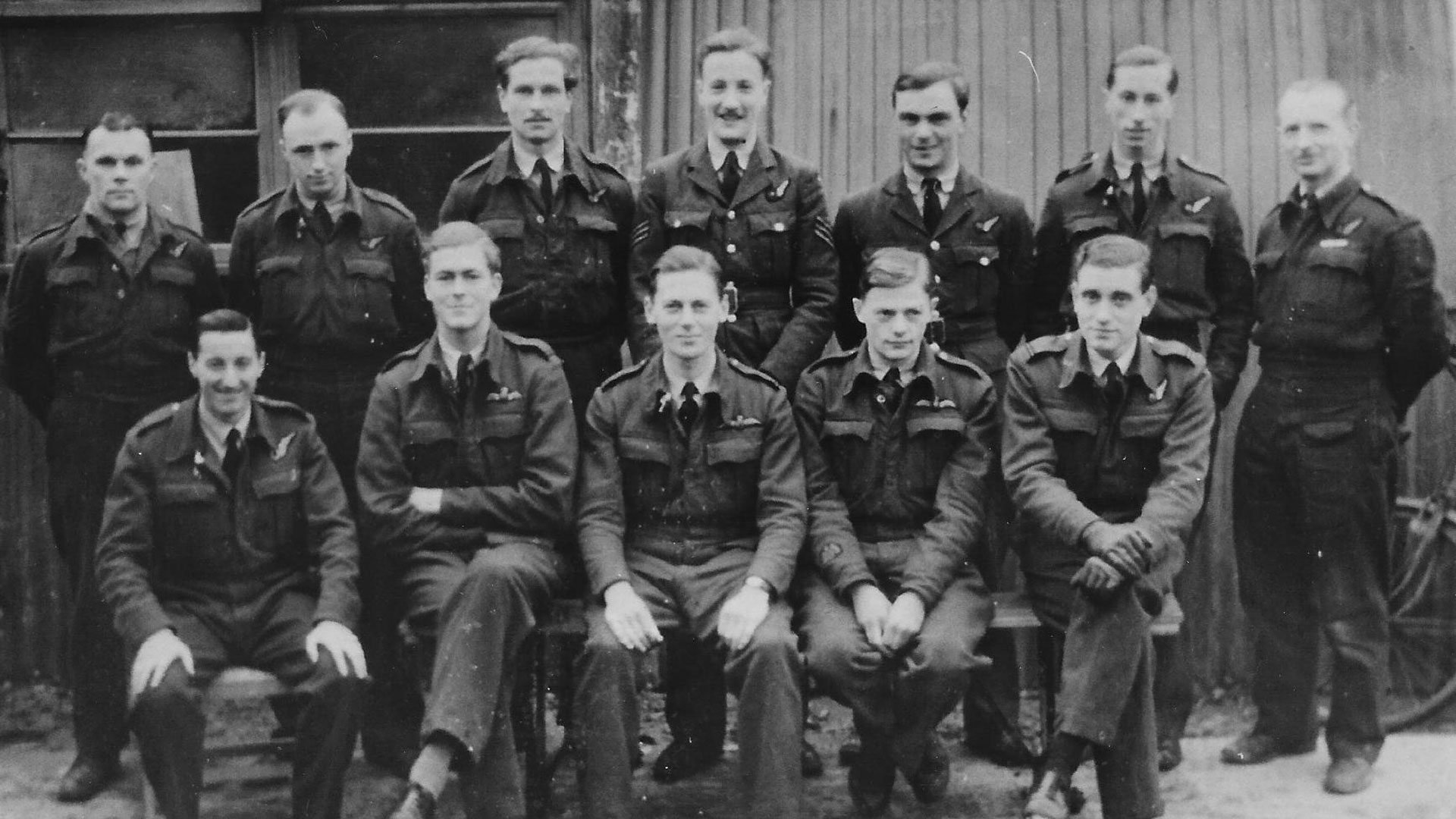
Another Lincolnshire story now searchable is that of Sergeant Pilot Jack Lockwood, who came from a farming family in the Scampton area and ran Spridlington Grange Farm before the war.
A keen horseman who had won several point-to-point events, Jack enlisted in the Territorial Army cavalry before remustering to the RAF Volunteer Reserve.
After training in Canada and the United States, he was posted to No.179 Squadron Coastal Command at RAF Chivenor in Devon.
The squadron flew modified Wellington bombers equipped with Leigh Lights, allowing crews to locate submarines just below the surface at night.
Sgt Pilot Lockwood was just 23 when his aircraft crashed while returning to Chivenor on 13 August 1943, killing the entire crew.
His body was returned to Lincolnshire and he was buried at St John the Baptist churchyard in Scampton.
The stories also demonstrate the international reach of Coastal Command.
Across Devon and Cornwall, stations including St Eval, Chivenor, Portreath, Dunkeswell and Mount Batten played a vital role in protecting shipping and hunting U-boats operating in and around the Bay of Biscay.
Almost 2,000 losses were sustained at these stations.
In Scotland, Coastal Command stations were strategically positioned to protect transatlantic shipping routes and monitor waters stretching towards Norway.
RAF Dyce, Turnberry, Abbotsinch, Benbecula and East Fortune together account for about 1,000 losses, with a further approximately 300 recorded at RAF Sullom Voe on Shetland.
One of the most remarkable Scottish-linked stories is that of Flight Lieutenant David 'Bud' Hornell VC, who was operating from RAF Wick with No. 162 Squadron when he attacked a surfaced U-boat north of the Shetland Islands in June 1944.
Despite his aircraft being badly damaged and on fire, Flt Lt Hornell completed the attack and sank the submarine before successfully ditching.
He and his crew spent 21 hours in the freezing water before rescue but Flt Lt Hornell died shortly after being picked up.
His Victoria Cross was awarded posthumously.
Northern Ireland was similarly important because of its position further west, giving Coastal Command aircraft greater reach over the Atlantic.
Stations including Aldergrove, Ballykelly, Castle Archdale and Limavady account for approximately 1,000 losses.
The IBCC hopes, subject to funding, to go further by creating memorial walls commemorating all 12,500 Coastal Command losses at its site in Lincoln, alongside interpretation explaining the service's role in the bombing war.
Nicky van der Drift, CEO of the International Bomber Command Centre, said: "This is a huge resource for military historians, family historians and anyone wanting to understand the contribution made by Coastal Command during the Second World War.
"The IBCC was established to remember all those affected by the bombing war and Coastal Command is an important part of that story.
"Bringing these 12,500 names into the Losses Database ensures that their service and sacrifice can be discovered and remembered alongside the thousands of others already recorded here.
"We hope families will use the database to find their relatives and, where they can, share photographs, documents and information with us.
"Every new piece of information can help bring these individuals and their stories back to life."
You can search the Coastal Command Losses Database here.
Any new information or photographs can be emailed to [email protected].
Related topics
Join Our Newsletter