Nato 3.0 explained: What it means and how it may reshape the future of the alliance
Nato 3.0 is not an official Nato policy or formal strategy, but it is an informal term that has become shorthand to describe the next phase of the evolution of the alliance.
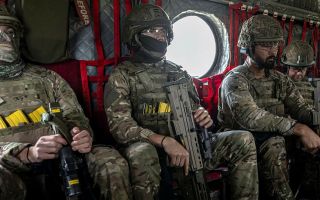
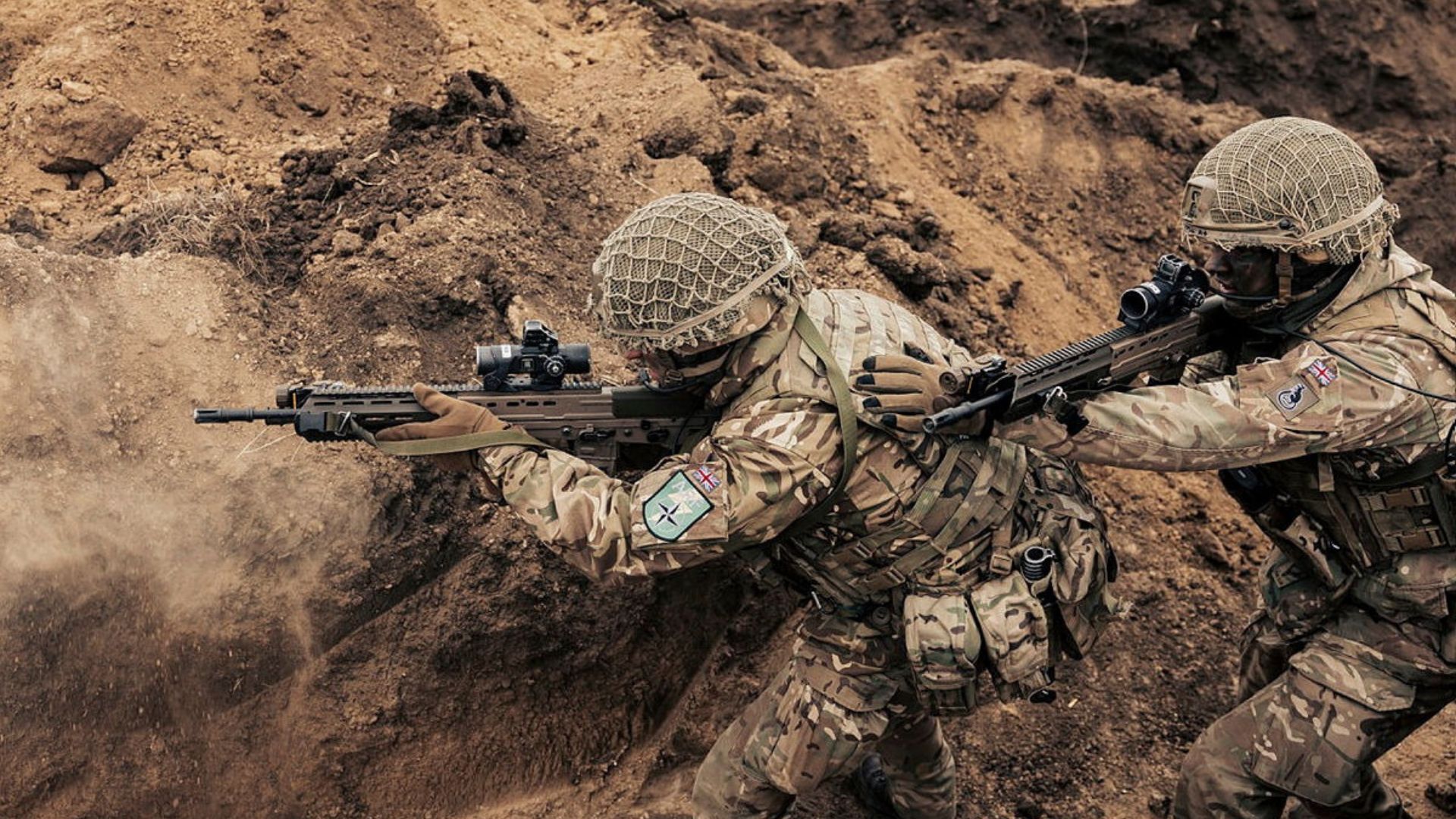
Unlike the post-Cold War era, when Nato focused heavily on peacekeeping and counter-terrorism, like in the Balkans and Afghanistan, Nato 3.0 centres on deterring major state threats.
It reflects the growing threat from Russia following the war in Ukraine and the need for Europe to assume much greater responsibility for its own defence, with far less reliance on the United States.
This marks a significant rebalancing of the transatlantic partnership, which since its inception in 1949 has so far been organised around US capabilities, technologies and strategic culture.
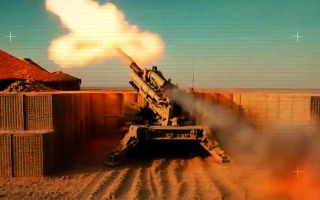
Nato 3.0 is also about preparing for the modern battlespace, with increasingly sophisticated forms of warfare, like cyber attacks, artificial intelligence, drones and electronic warfare.
Why is the US pursuing Nato 3.0?
It is a shift in burden-sharing, with European allies expected to take greater responsibility for the continent's defence as the US places more strategic emphasis on the Indo-Pacific.
This means the bulk of the alliance's conventional defence burden is likely to be shouldered by European allies, together with Turkey and Canada.
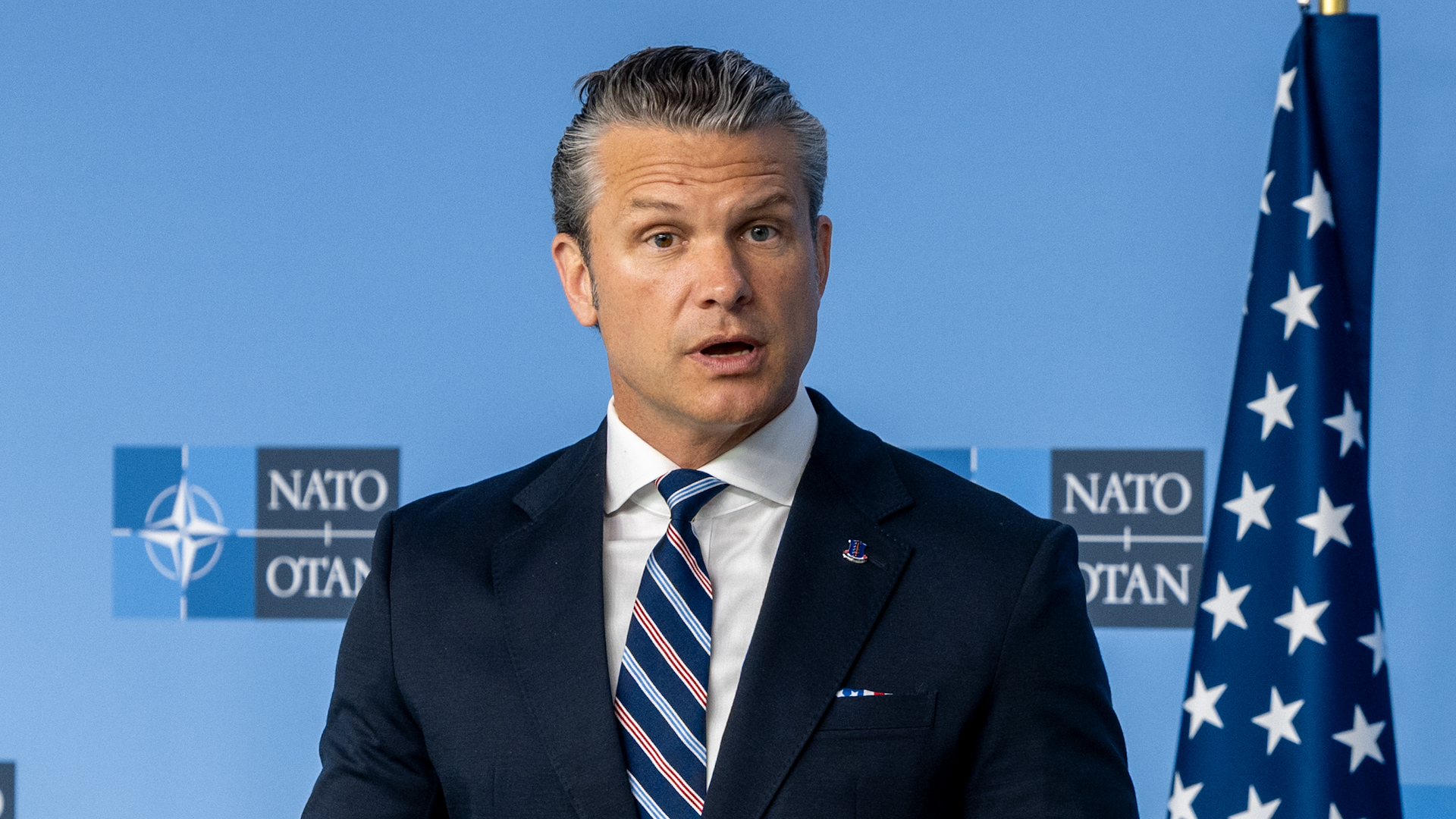
In June, US Secretary of War Pete Hegseth announced a sixth-month Europe Posture Review to assess the presence of US forces in Europe.
Speaking at a meeting of Nato defence ministers in Brussels, Mr Hegseth said it was a review "that some countries will fail, and others will pass with flying colours", singling out allies that he suggested had been "free-riding".
"It will be designed to ensure that Nato is moving fast and irreversibly toward Europe leading, stepping up to take primary responsibility for the defense of Europe," he said.
Mr Hegseth has also been highly critical of Nato member states that had imposed limits on the amount of help given to US forces during the war with Iran.
Under Secretary of War Elbridge Colby has officially kicked off the review. Posting on X, he said he had begun holding "detailed consultations with our allies and partners".
Related topics
Join Our Newsletter