New UK-Poland treaty to focus on defence against Russia, Warsaw's prime minister says

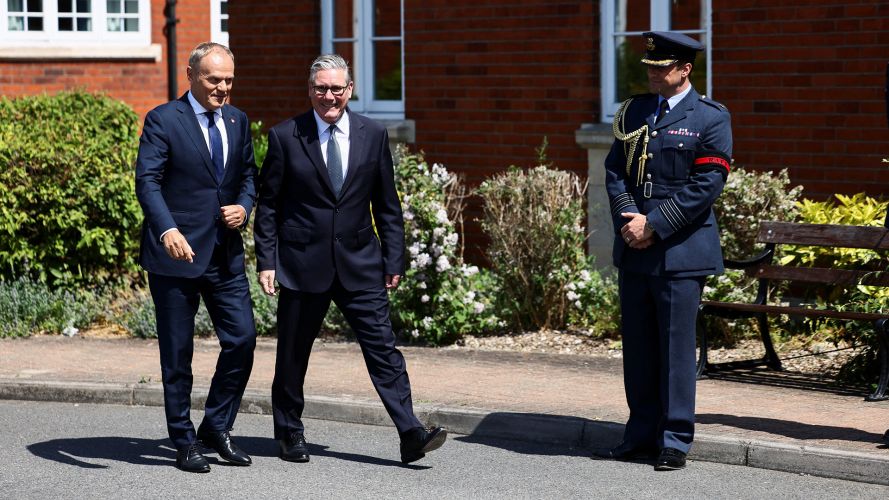
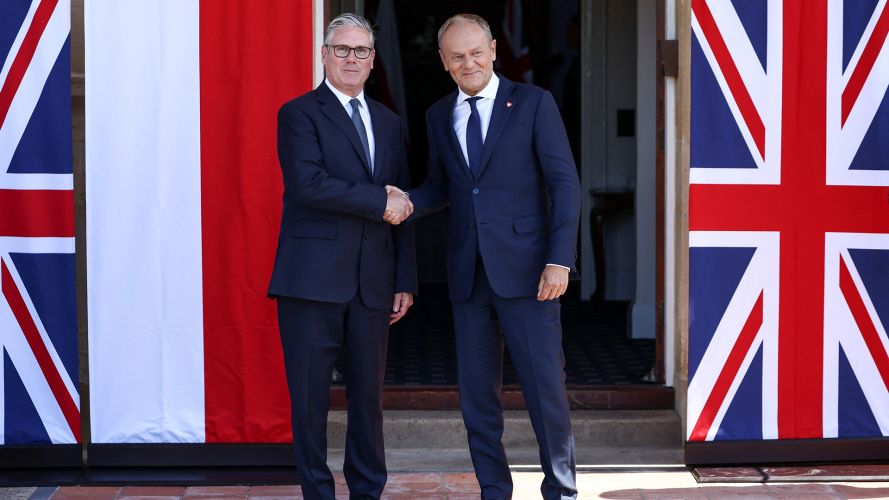
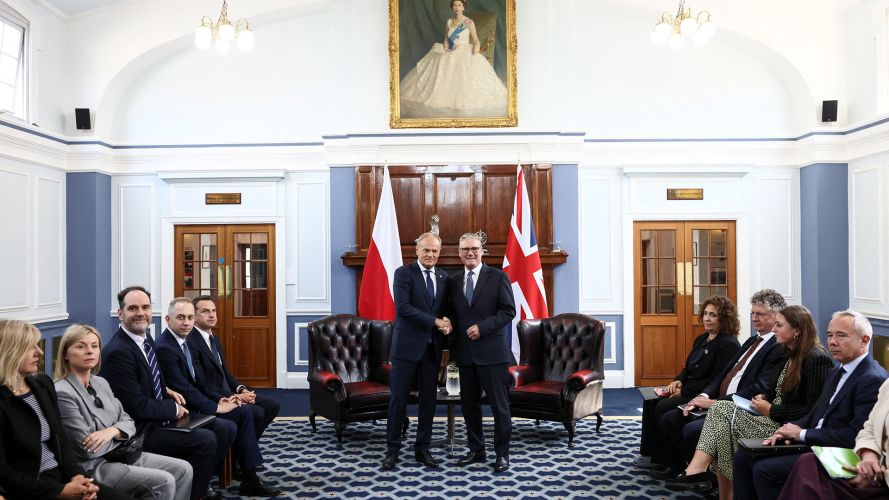
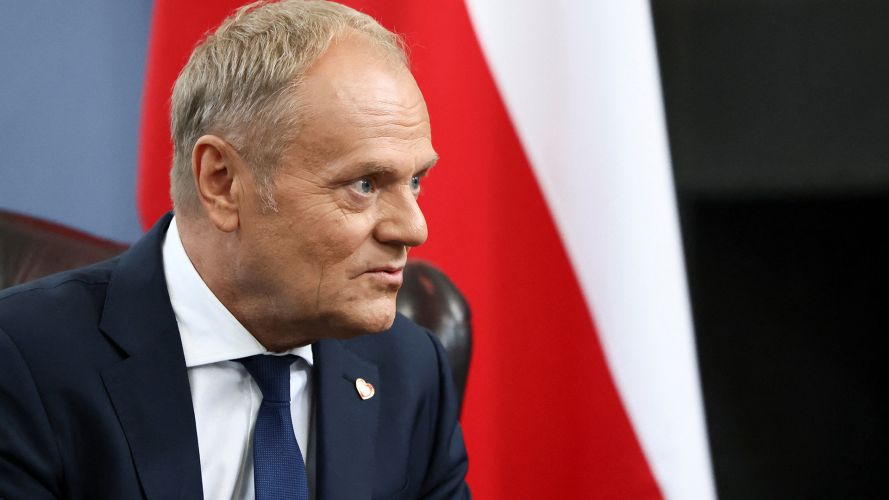
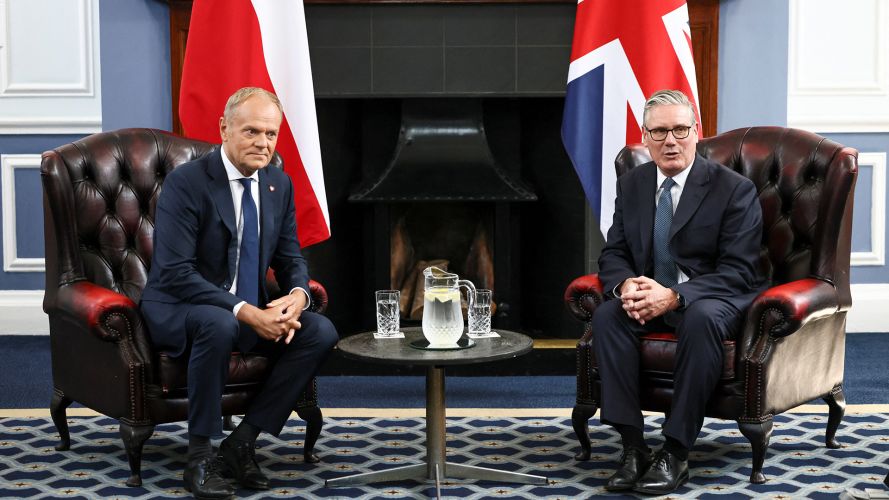
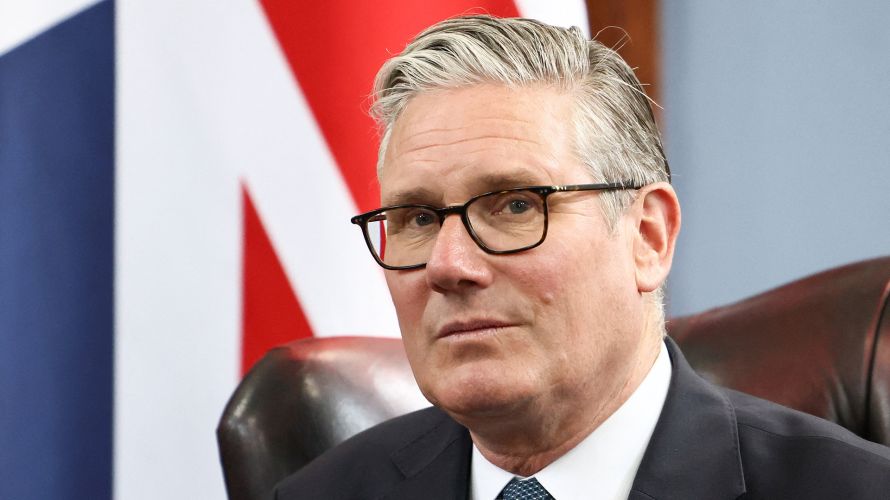
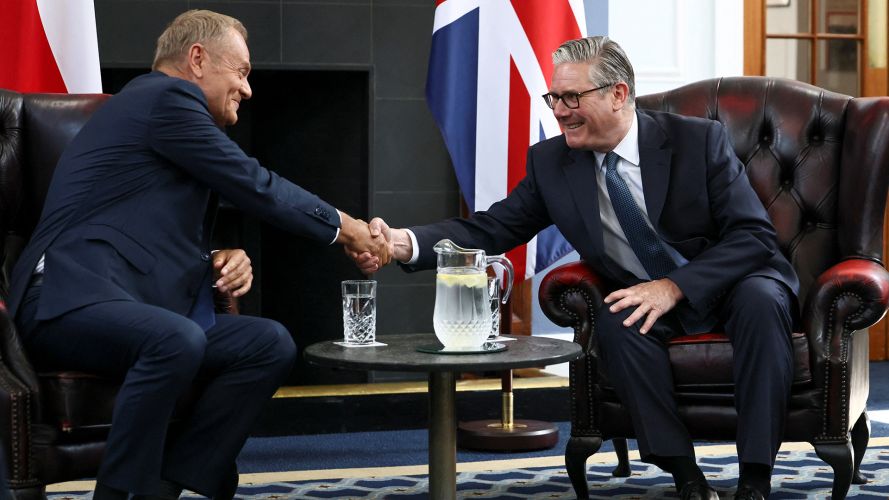
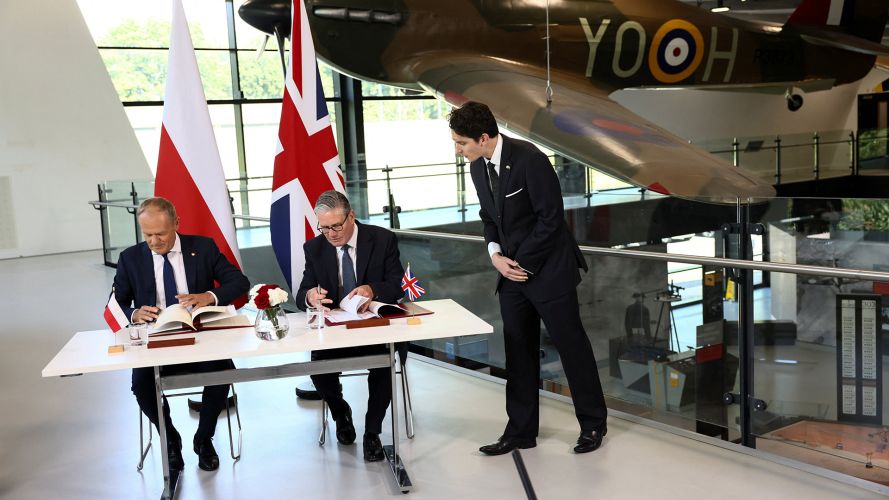
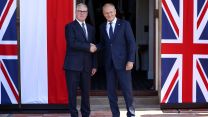
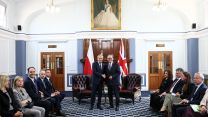
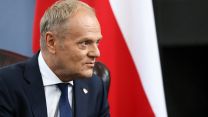
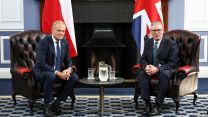

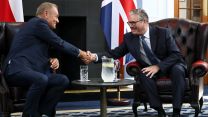
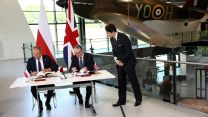
The UK has signed a new defence and security treaty with Poland to bolster collective defences after Poland's prime minister Donald Tusk said the country wants the closest possible diplomatic relations with London.
Britain put pen to paper on the treaty to strengthen defence cooperation in the face of increasing hostile threats across Europe, the UK government said, following similar deals with France and Germany.
Warsaw has been steadily improving its defences after Russia's invasion of Ukraine more than four years ago.
Challenges Europe faces demands stronger partnership
Prime Minister Sir Keir Starmer and Mr Tusk spoke about rising hybrid attacks, including the Russian-ordered arson attacks in east London, cargo fires in Birmingham and across Europe, as well as cyberattacks and espionage.
"Britain and Poland are already close allies and friends, but the challenges Europe now faces demands an even stronger partnership," Sir Keir said.
"This treaty is the biggest step forward in our defence and security relationship with Poland in a generation, allowing us to confront modern security that may be less visible but no less dangerous, and our collective work together will keep our countries safe for years to come."
Europe has been under pressure from US president Donald Trump's administration to take greater responsibility for its own defence, in light of Mr Trump's comments saying that Nato was a "paper tiger" in March.
"Both sides emphasise that Russia is a strategic threat, also a long-term one, for Poland, for Great Britain, for Nato, and therefore our cooperation should be focused on securing Poland and other countries against the Russian threat," former president of the European Council, Mr Tusk, said.
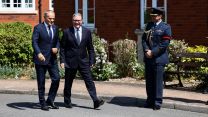
The bilateral meeting between Sir Keir and Mr Tusk was held in the Officers' Mess at RAF Northolt rather than 10 Downing Street.
James Fennell, an international peace and security expert and director of the UK's FCDO stabilisation programme in Ukraine from 2022 to 2024, said that "Northolt is historically associated with the Polish RAF squadrons in the Battle of Britain" in a post on X.
The leaders subsequently signed the defence and security treaty at the Battle of Britain Bunker in Uxbridge.
Air defence effectors, uncrewed systems and cyberattacks
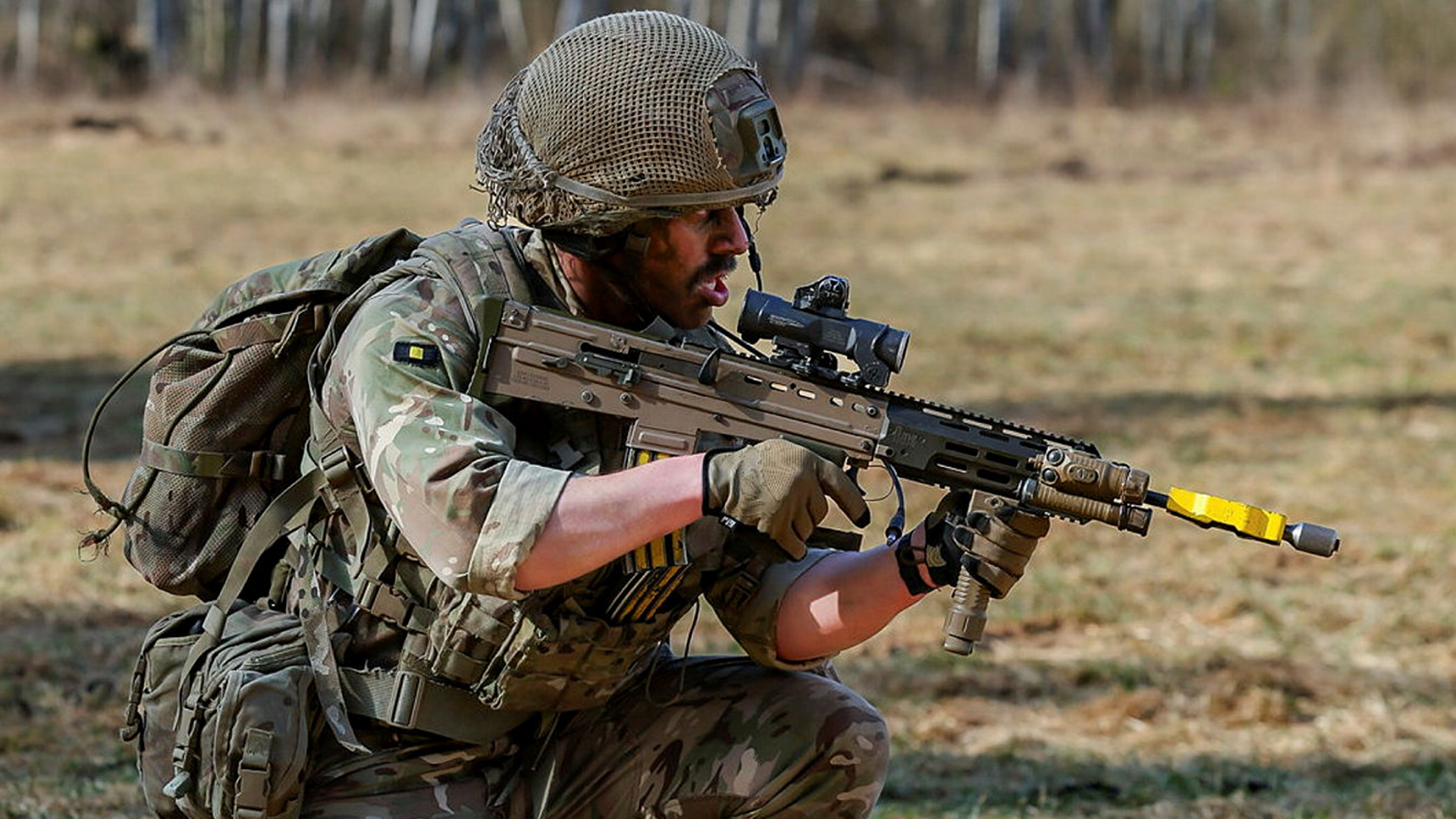
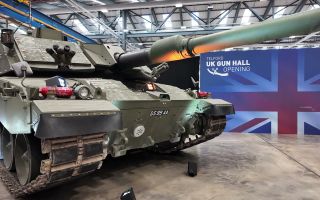
London and Warsaw will come together to develop and manufacture next-generation weapons, like air defence effectors, under the agreement.
The pair will design and create new air defence effectors to improve their air and missile defence systems.
The countries will expand the use of uncrewed systems to fortify Nato's Eastern Flank.
Joint land forces will take part in large-scale joint exercises to sharpen their skills in counter-drone warfare, electronic warfare, and engineering support, as well as by utilising disruptive technologies.
Meanwhile, Poland and the UK will combine their resources to stop cyberattacks and malign information campaigns by hostile state actors.
Related topics
Join Our Newsletter