German cabinet authorises measures allowing spies to hack and disrupt attackers
Germany's cabinet has approved major reforms to grant more extensive powers to the nation's spy services.
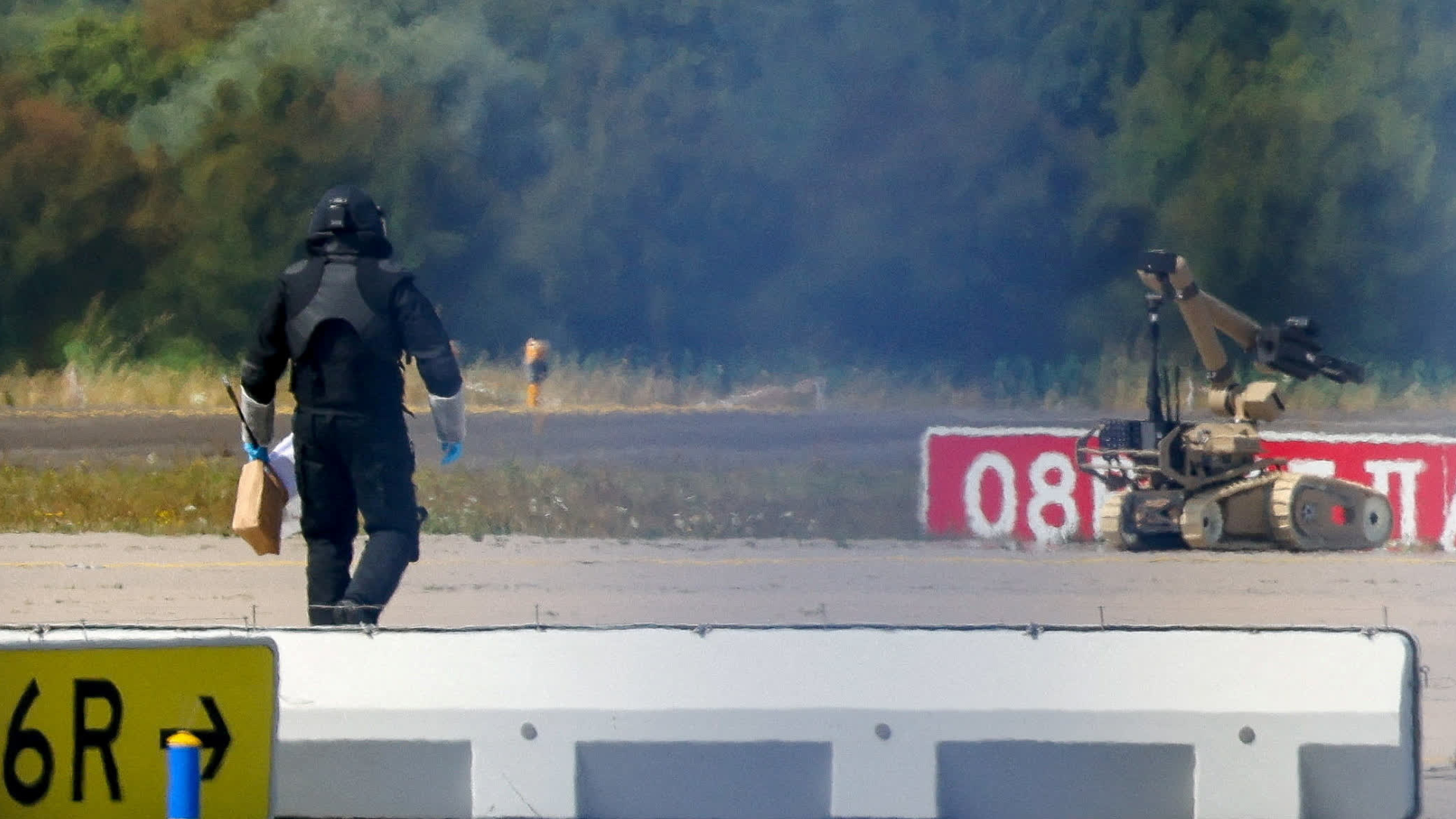
The measures come at a time of increased international and domestic threats against the country, including two reported drone attacks at Leipzig and Hanover airport in the last month.
The move marks a strengthening of the German intelligence corps, whose authority has been restricted since the Second World War.
Counteracting hybrid warfare
The new strategy grants spies the ability to obstruct ongoing operations by hostile actors, interfere with technical systems and deliberately spread targeted false information.
By taking on a more active role in its operations, Germany will now be in closer running with its international counterparts – it's a vital step-up for a country currently tackling a slew of incidents, including multiple drone threats.
Last week, an explosive quadcopter was found at Leipzig airport near Ukrainian cargo planes at a major shipping and military hub. Since 2022, Germany has been a leading military backer of Ukraine following the country's full-scale invasion.
According to US media, American intelligence linked the drone to Russia, which has denied any involvement.
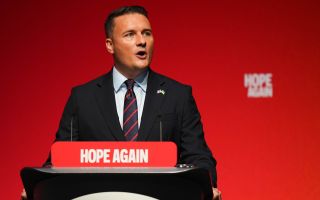
Speaking to local newspaper Bild, German interior minister Alexander Dobrindt, noted the event represented a "constant reality" for the country, which is being hit by hybrid warfare attacks from foreign forces on a "daily basis".
And this reality may have reared its head again after reports suggest Hanover airport was disrupted by a drone overflight.
Whilst no further details have been given by the police, newspaper Der Spiegel reports that its findings conclude it is "currently impossible" to link the two recent incidents.
Other concerns to Germany's place on the international stage stem from the Trump administration, with anxieties in cabinet that his oversight could endanger the close partnership between the two countries' intelligence communities.
Retraction of post-war restraints
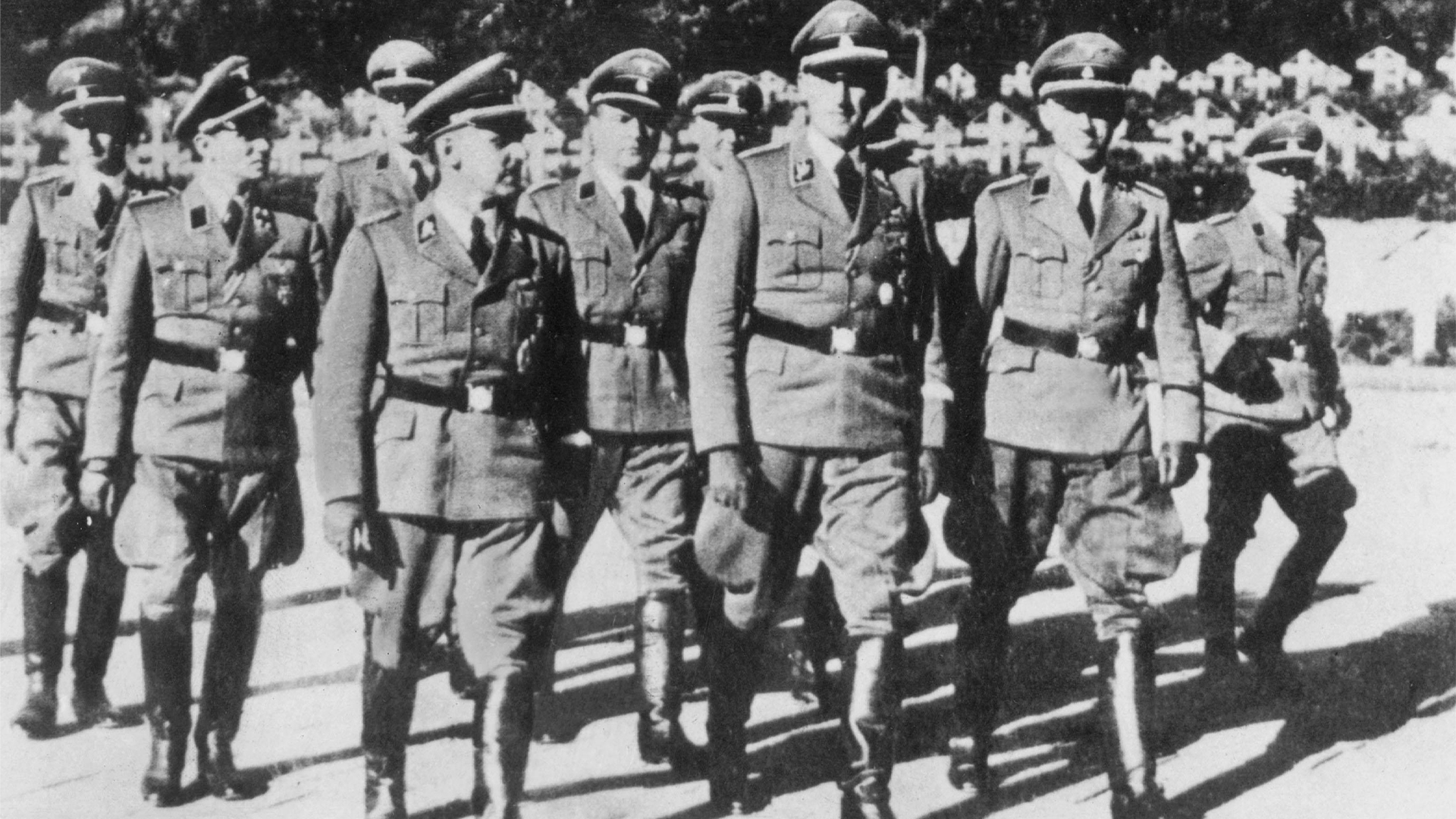
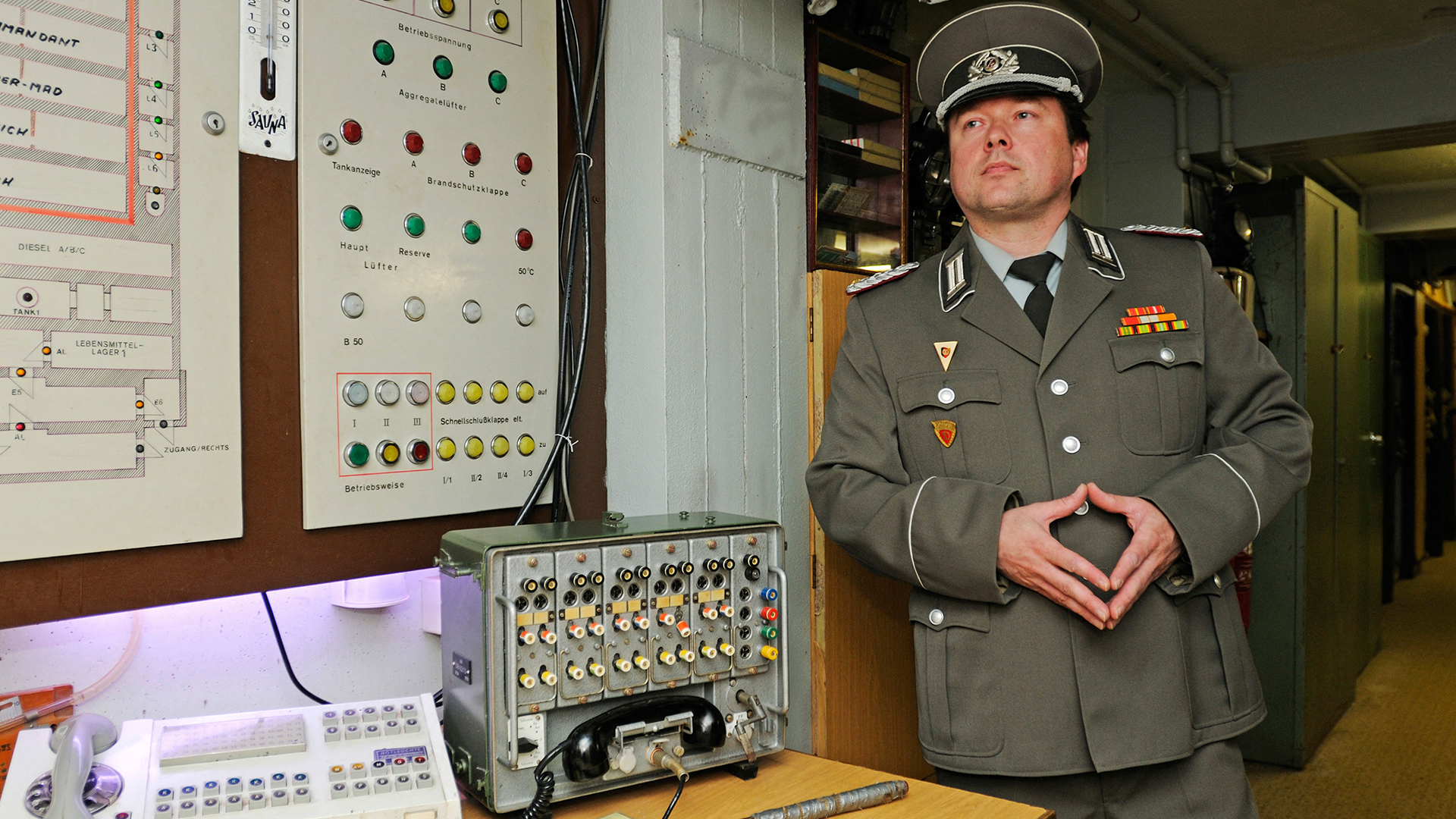
This delicate balancing act of German and US intelligence dependence emerged long before Donald Trump took power. It is one of the side-effects of decisions made in 1956 to prevent the repeated exploitation of spy mechanisms under the Nazis.
These restrictions limit Germany's foreign intelligence agency to collecting and analysing intelligence, without the legal capacity to neutralise perceived threats, and subject the organisation to strict data protection laws.
Regarding these stringent curbs, it seems some German leaders had reached their tether. For ministers like Alexander Dobrindt, today's decision will be a welcome step into a stronger, more offensive era for the country's security.
"We are transforming our intelligence services into genuine secret services", he told a news conference in Berlin.
And with the country's security laws now in the early stages of loosening, the cabinet's verdict signifies a historical shakeup to the underbelly of international powers who have no choice but to keep up with the ever-evolving threats facing them.
Germany's federal legislative bodies will adopt the new intelligence powers in September.
Related topics
Join Our Newsletter