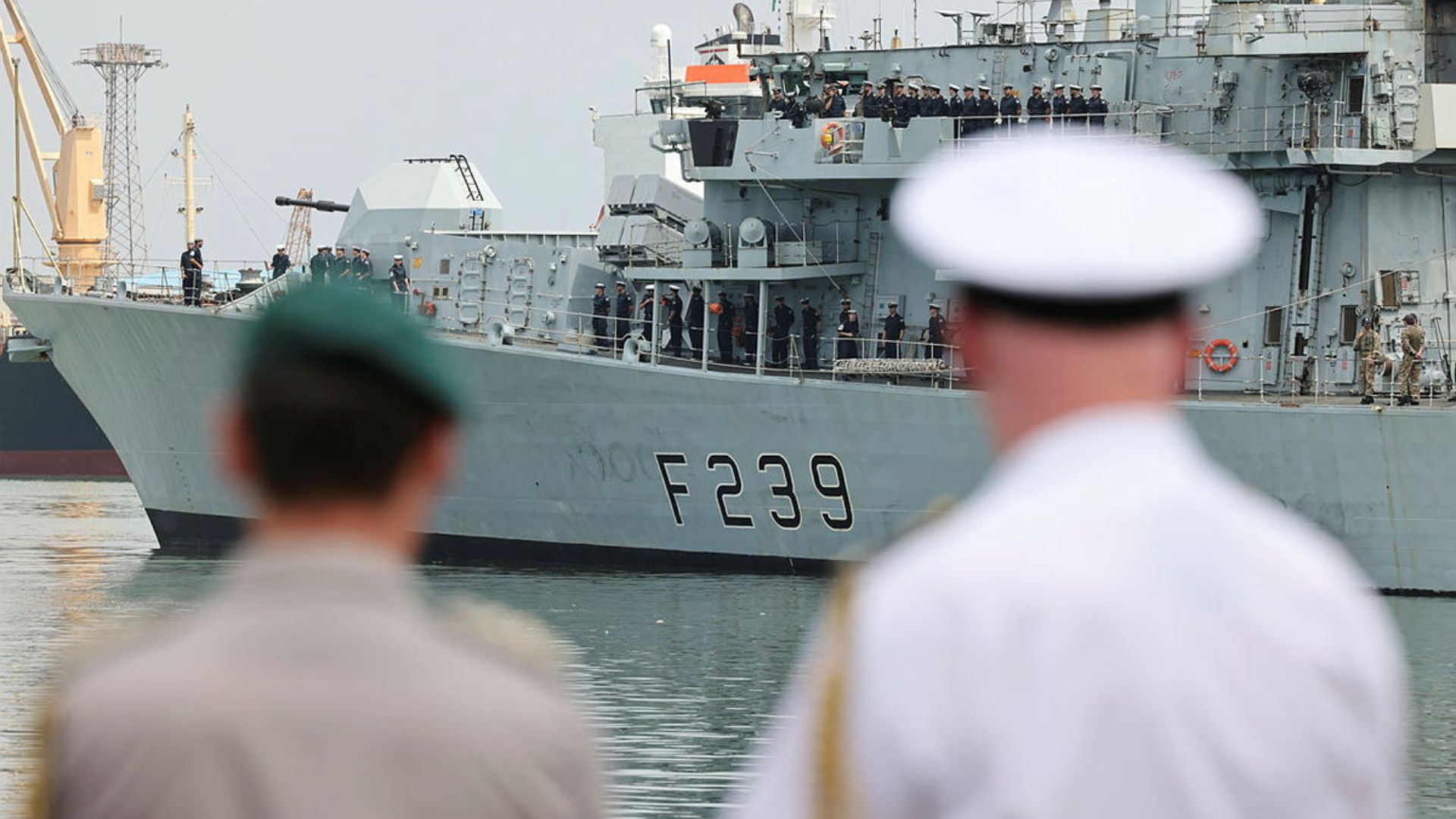
After more than a century of combined service, the Royal Navy has confirmed the retirement of three vessels as the service prepares to introduce a new generation of frigates.
HMS Richmond, HMS Iron Duke and HMS Chiddingfold will see their roles taken on by the incoming Type 26 and Type 31 frigates, in a move the Senior Service has said will allow for reinvestment into new, advanced autonomous systems.
Vice Admiral Steve Moorhouse, Fleet Commander, said all three vessels had played a key role in safeguarding the UK's security and interests around the world, adding that their legacy would continue through the next generation of warships.
- Type 31 v French FDI: How do these modern frigates stack up against each other?
- Footage shows HMS Iron Duke shadowing Russian task group in the English Channel
- Royal Navy's Type 26 programme fully on track amid landmark Norwegian agreement
"We honour their service and look forward to the advantage the future fleet will provide," he said.
Stepping aside
HMS Richmond's role as an anti-submarine warfare specialist will be carried forward by the Type 26 City-class frigates, according to the Royal Navy.
Eight City-class ships are planned in total. Led by HMS Glasgow, the class is expected to form the backbone of the UK's future anti-submarine warfare fleet, with roles spanning submarine hunting, maritime security and global task group operations.
Despite speculation that build slots could be offered to the Norwegian navy, Defence Minister Luke Pollard recently confirmed the programme remains on track.
Meanwhile, HMS Iron Duke's responsibilities will transition to the Type 31 Inspiration-class frigates, which are currently under construction.
Costing £250m each, the vessels will form a component of the shift towards a Hybrid Navy, where traditional vessels work in tandem with uncrewed vessels and autonomous systems.
In mine warfare, HMS Chiddingfold's legacy will continue through autonomous and remotely operated systems which have already been deployed and tested operationally.
Proud legacy
Across more than three decades of operations, the three vessels have been central to Royal Navy activity, from countering submarine threats and safeguarding vital shipping routes to supporting humanitarian relief and wider global security missions.
HMS Richmond most recently played a vital role in last year's Carrier Strike Group deployment to the Indo-Pacific, providing protection and reassurance alongside the flagship HMS Prince of Wales.
HMS Iron Duke has also remained heavily tasked, repeatedly deploying to monitor and track Russian warships in and around UK waters.
HMS Chiddingfold, meanwhile, has spent much of the past two decades supporting maritime security in the Middle East.
Operating from Bahrain with allies and partners, the minehunter helped protect freedom of navigation through some of the world’s most challenging and strategically important waterways.
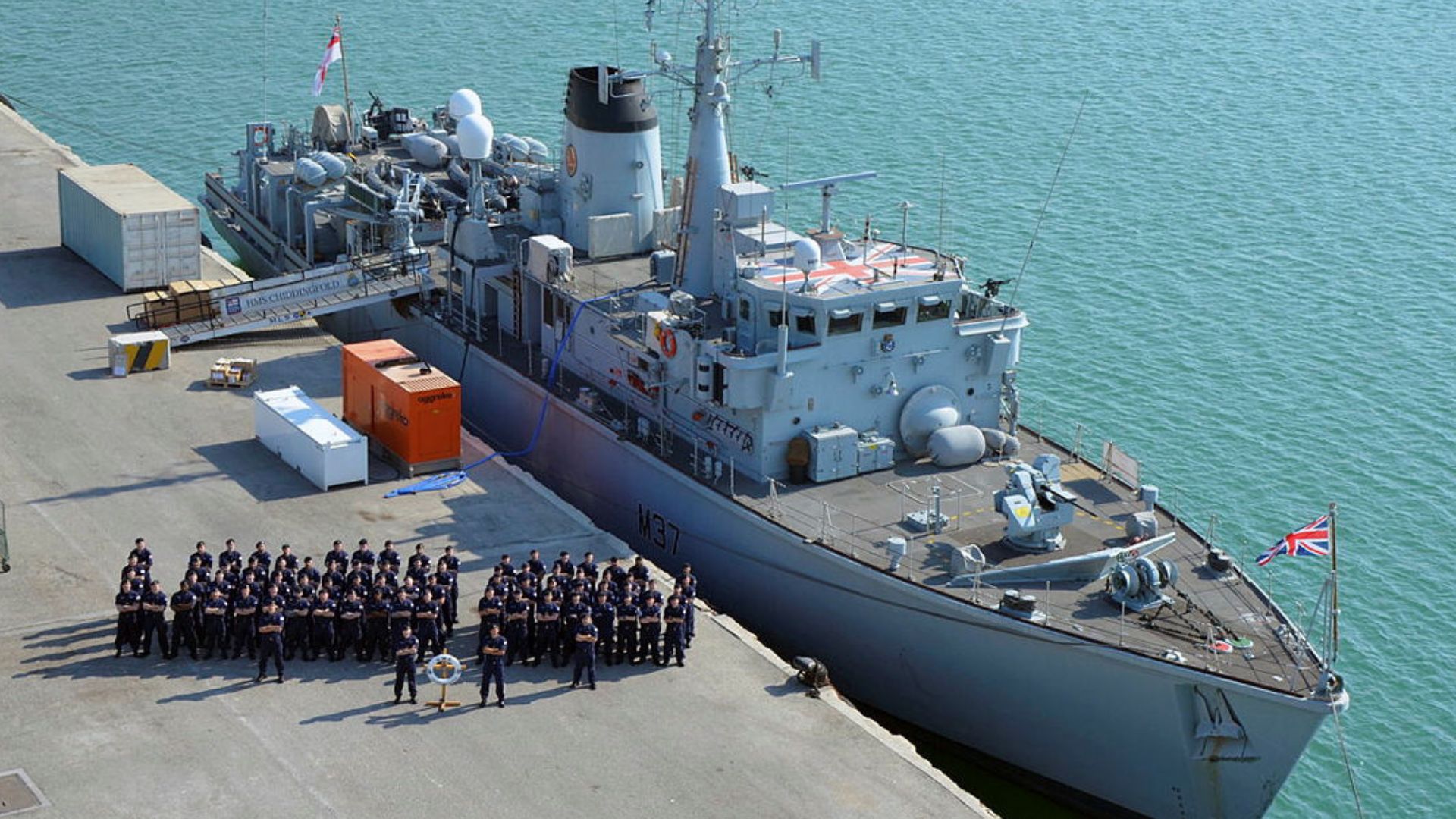
HMS Chiddingfold remembered
Commander Craig Clarke, who served as the minehunter's penultimate Commanding Officer during the latter part of 2024, said the vessel's story was one of "service, adaptability, and people".
"For more than 40 years she represented the Royal Navy across the globe, from Nato exercises and home waters to enduring operations in the Middle East," he said.
"Having had the privilege of commanding her and of joining the ship's company in celebrating her 40th birthday in Bahrain, I know that her true legacy lies with the generations of sailors who served in her. Their professionalism, dedication and camaraderie made Chiddingfold far more than a ship – they made her a family.
"Whilst she now formally leaves service, the mission she performed remains as important as ever. Freedom of navigation and access to the world's sea lanes continue to depend upon the specialist skills of mine warfare professionals.
"As the Royal Navy transitions to the next generation of minehunting capability, HMS Chiddingfold can rightly be regarded as part of the foundation upon which that future has been built."
A new era
The retirements come as the recent Defence Investment Plan pledges £1.3bn for the hybrid fleet and £1.1bn for the Mine Hunting Capability programme. For vessels with more than a century of combined service, the moment marks a bittersweet transition.
Their legacy will now live on through the sailors, technology and fighting power that will carry the Royal Navy into a new era of maritime operations.
:: Were you assigned to HMS Richmond, HMS Iron Duke or HMS Chiddingfold?
:: We want to hear from you. You can contact us by email at [email protected].
Related topics
Join Our Newsletter