HMS Somerset home after four months tracking submarines in the North Atlantic
Families joined HMS Somerset at sea for the final leg of her journey home following a four-and-a-half-month deployment in the North Atlantic.
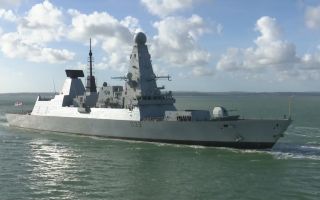
The Type 23 frigate has returned to Devonport after sailing more than 26,000 nautical miles while monitoring activity on and beneath the surface.
Somerset had been assigned to Operation Ceto, the UK's standing naval operation to protect its nuclear deterrent and monitor potential submarine activity in the North Atlantic.
The frigate deployed with a Merlin Mk2 helicopter from 814 Naval Air Squadron.
During the deployment, the ship also operated with Nato allies and joined the UK Carrier Strike Group during Exercise Neptune Strike.
The exercise brought HMS Somerset together with HMS Prince of Wales, HMS Duncan, RFA Tidespring and ships, submarines and aircraft from other allied countries.
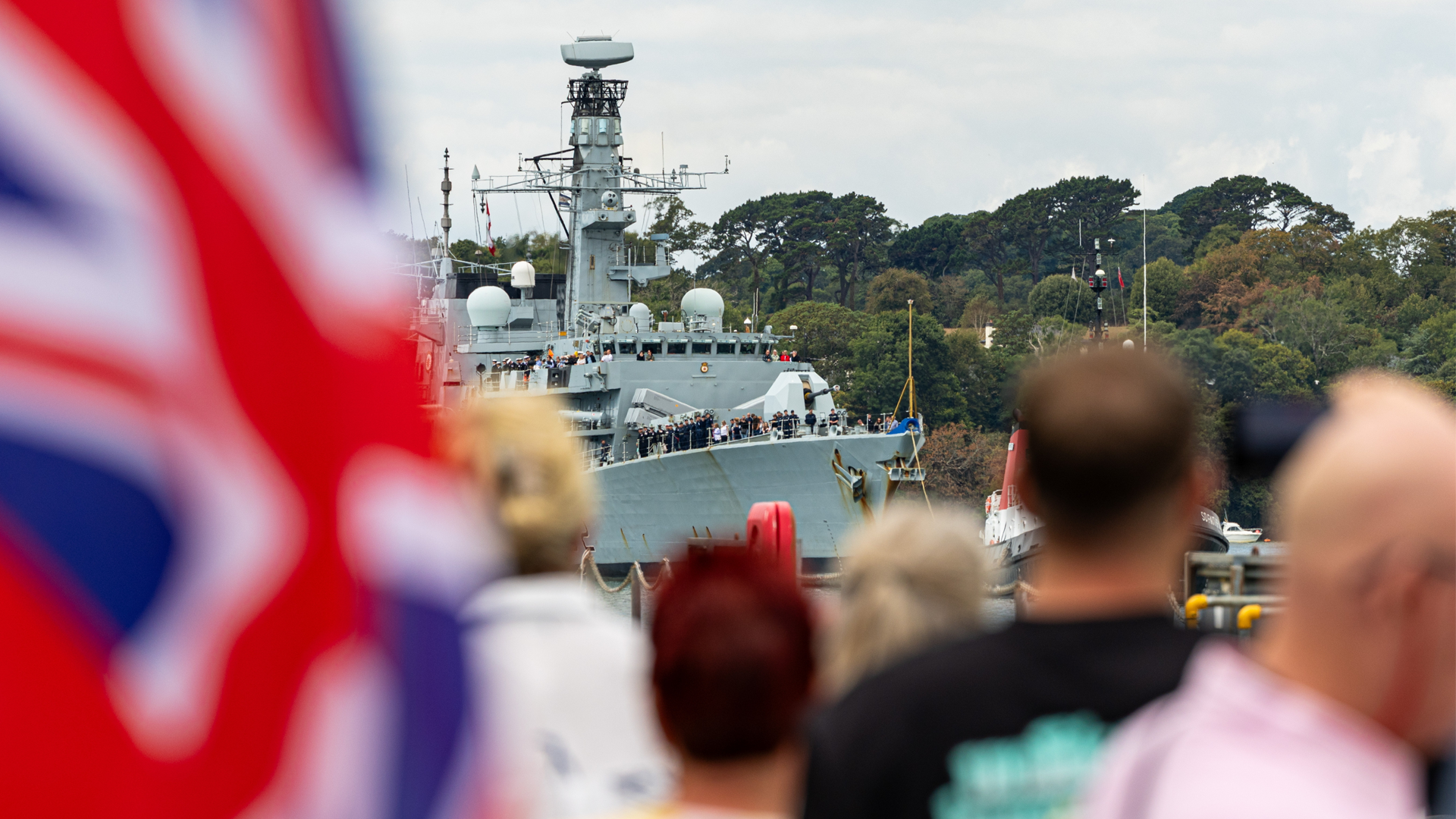
HMS Somerset had begun her latest operational tasking in the spring, taking over Operation Ceto duties from fellow Type 23 frigate HMS St Albans.
Somerset intercepted the Russian destroyer Severomorsk and accompanying oiler Kama near the coast of Brittany before monitoring them through the English Channel and into the North Sea.
The Type 23 and her embarked Merlin later conducted anti-submarine training in the Atlantic, including the release of a Sting Ray training torpedo after the crews located a simulated underwater target.
Commander Matt Millyard, HMS Somerset's Commanding Officer, said: "I am immensely proud of every single member of the ship's company for what we have achieved over the past four months.
"Whether it's tracking submarines, working alongside Nato allies and the Carrier Strike Group, or maintaining the ship at exceptionally high readiness for so long, their professionalism and spirit has been outstanding.
"It is fantastic to bring the ship home after a highly successful deployment and reunite with our families."
Join Our Newsletter