Czech president promises drone-busting L-159 jets for Ukraine – but prime minister says No

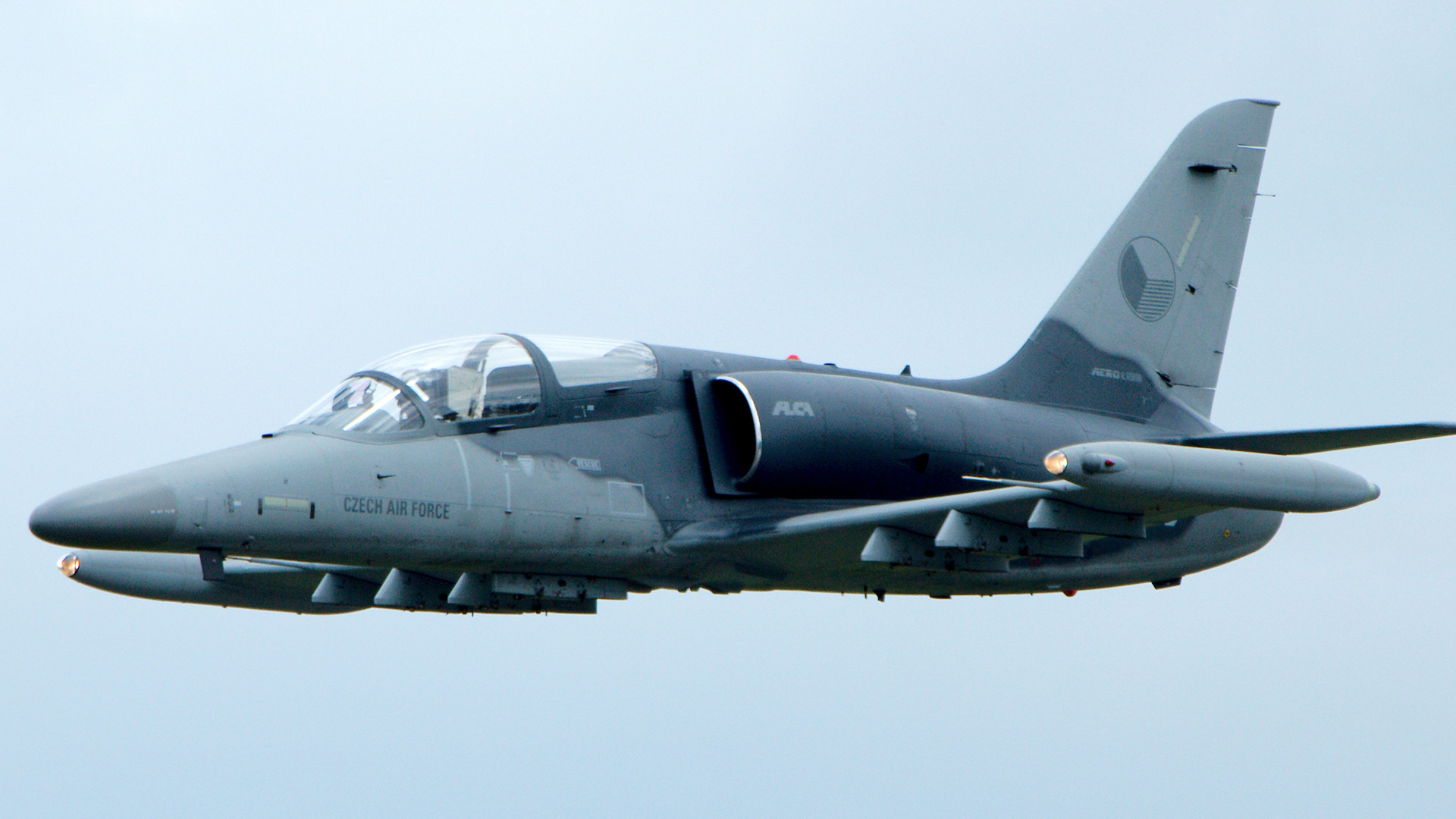
The Czech Republic had been expected to provide Ukraine with a combat aircraft that can shoot down incoming drones – the Aero L-159 Alca – but that offer is now apparently off the table.
Last week, Czech president Petr Pavel made the pledge to Ukrainian counterpart Volodymyr Zelensky during a visit to Kyiv.
But prime minister Andrej Babis has now rejected the plan, saying the country has insufficient numbers.
How many L-159s?
The Czech air force is thought to have only 24 or so of the jets, with each example estimated to cost roughly $800,000.
The type would have been ideal for Ukraine.
Czech L-159s appear in several configurations. These include a single-seater that can be used in ground attack or trainer roles, plus a two-seat trainer version.
The country's main fighter force is currently made up of the Swedish JAS-39 Gripen while it awaits deliveries of the US-made F-35 Lightning.
The Czech Republic has ordered 24 Lightnings, but deliveries will not begin until after 2030.
But in terms of the L-159, Mr Babis told a press conference after a cabinet meeting that the Czech air force needed the planes for its own use – and they could not be provided to Kyiv.
Why the L-159 would have been good for Ukraine
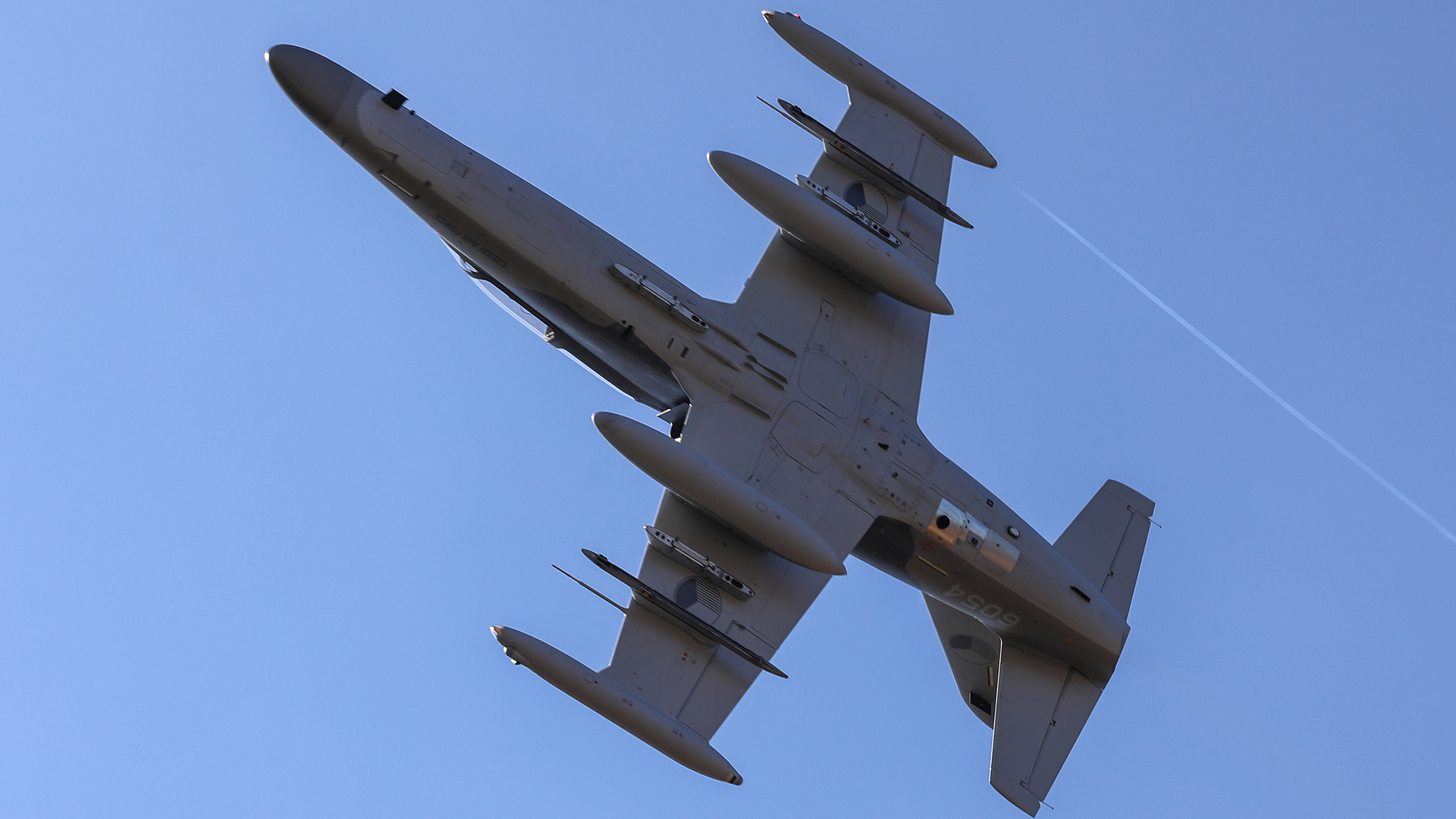
Unlike the Gripen and Lightning, the L-159 flies much more slowly, at subsonic speeds, making it a far more efficient hunter-killer of drones and loitering munitions.
A Shahed drone, for example, flies at about 115mph. The L-159 has a maximum speed of 582mph, while the Gripen's is 1,535mph.
While fast jets – including the F-35 – can successfully engage drones, they are less efficient due to the drone's low speed and agility.
There is also a financial penalty in using a fast jet, with the weaponry used to kill a drone, such as a missile, being far more expensive than the drone itself.
Then there's the operating cost of putting a Gripen or F-35 in the air, as well as the cost of maintaining it.
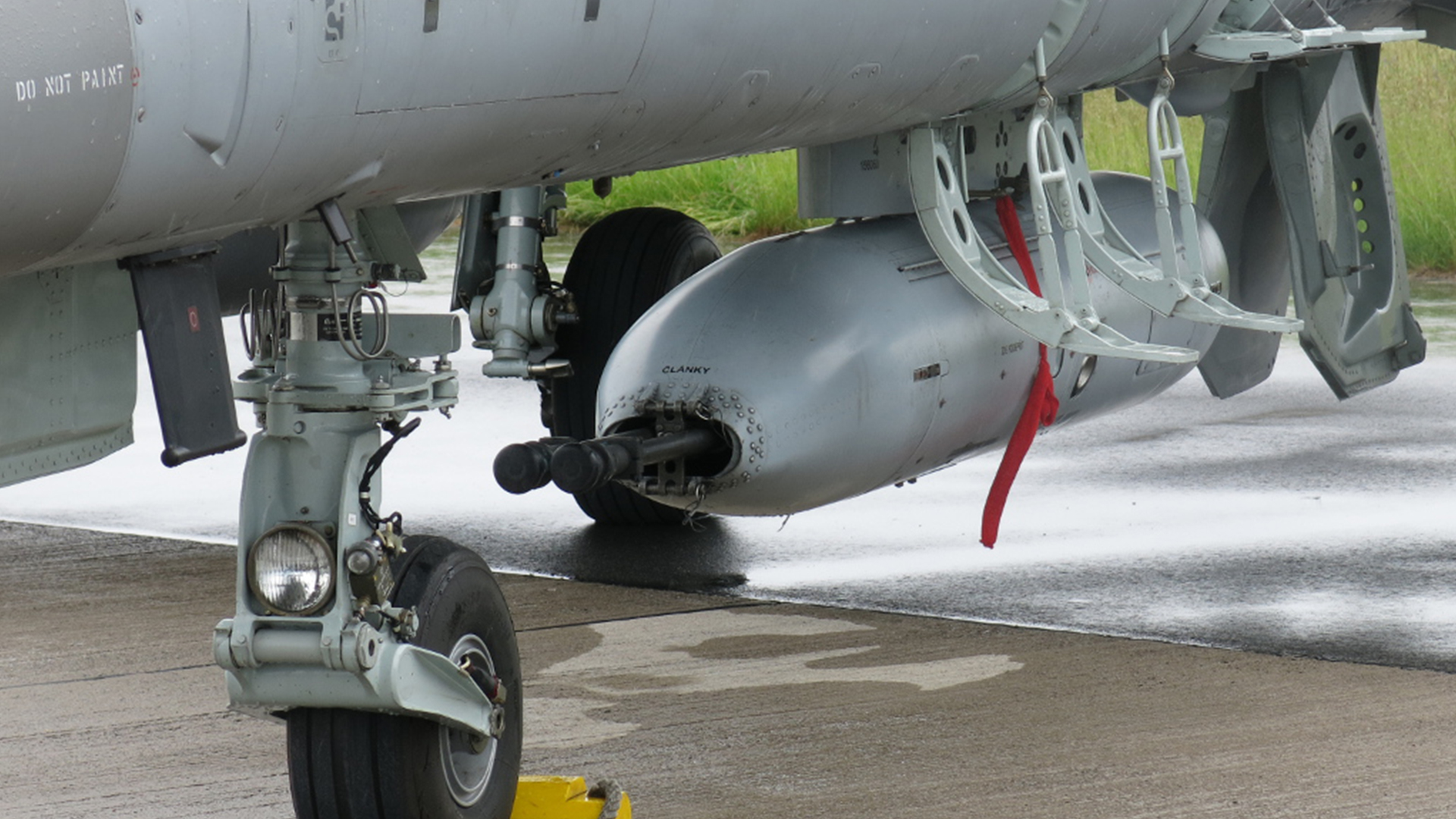
While the L-159 is similarly equipped with a number of hardpoints and can carry missiles, the aircraft can be fitted with a ventral gun pod, which is better suited to attack cheap, slower-moving targets like drones.
They're no longer coming
"The Czech Republic can in relatively short time provide several medium combat planes, which are highly effective in fighting drones, and I believe we will manage to quickly and successfully conclude this issue," President Pavel had told a news conference along with Mr Zelensky.
He also suggested his government would also supply early-warning systems such as passive radars. It is unclear whether the Czech prime minister will squash this plan as well.
Mr Pavel is a former army general and head of Nato's Military Committee, the body that provides military advice to the alliance.
The Czech leader has been a strong supporter of Ukraine and the Czech-led initiative to supply Kyiv with large-calibre ammunition paid for by Western donors.
Under the previous government, the Czech Republic gave Ukraine heavy equipment, including tanks and helicopters from army stocks and received compensation from its Nato allies as it rearms with Western weaponry.
Join Our Newsletter