Peacekeeper plan for Ukraine could see British troops fighting Russians, warns ex-general

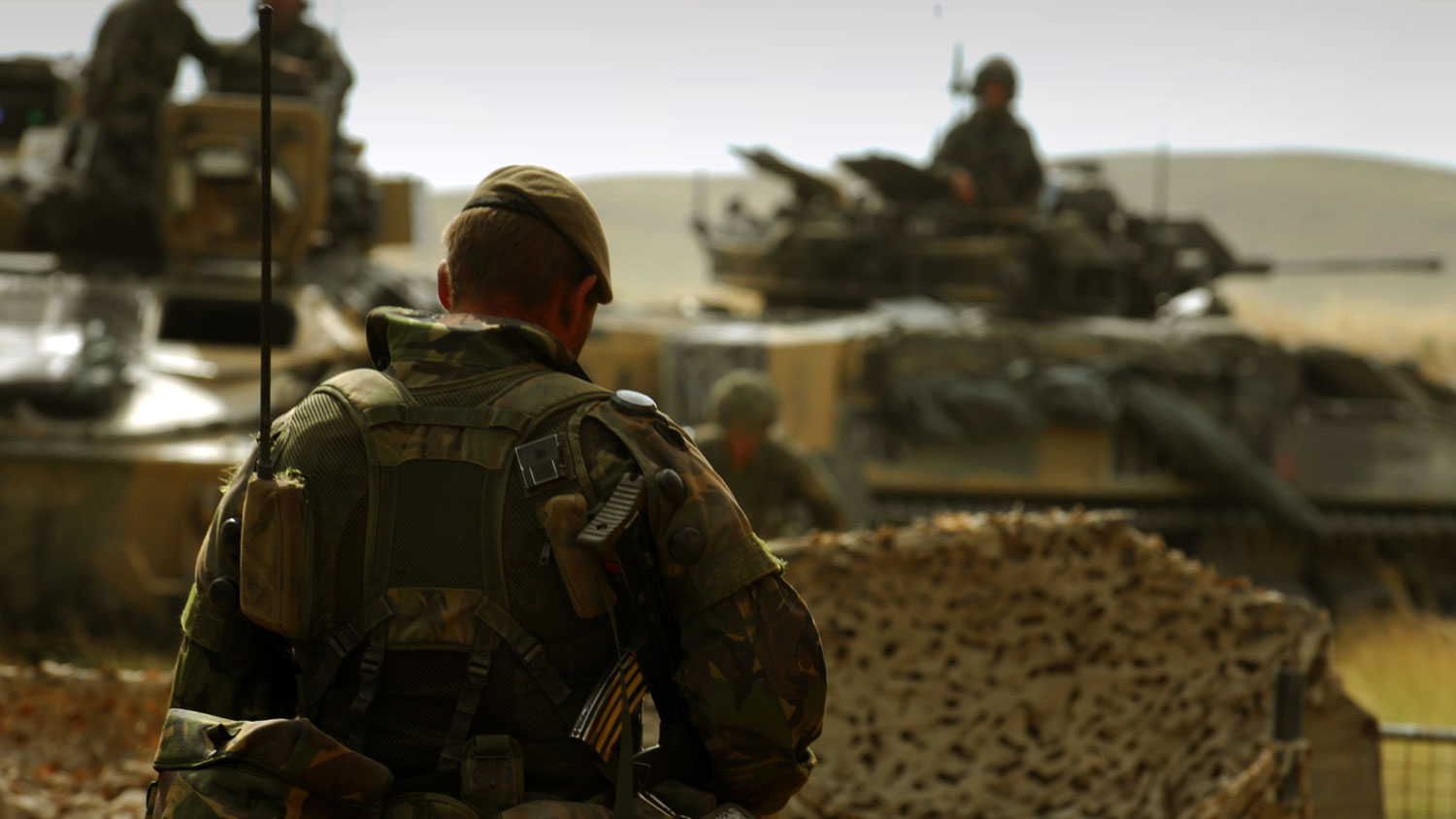
A former British Army general has given a guarded welcome to the announcement that British peacekeepers could be sent to Ukraine – but warned they might have to fight Russian soldiers if they came under attack.
General Sir Richard Shirreff, who served as Nato's Deputy Supreme Allied Commander Europe, was speaking as the Prime Minister said British forces would be deployed on the ground in Ukraine in the event of a ceasefire with Russia - and with Parliament's approval.
"There's not going to be a peace until Russia is forced into it," Gen Sir Richard told LBC's Nick Ferrari. "But at least now there is a clear plan from France and the UK to provide a reassurance force or an enforcement force. But it's got to be the right capability."
Hope is not a strategy
Gen Sir Richard said any peacekeeping force sent to Ukraine must do just that – enforce the peace.
"And enforcing peace means being prepared to overmatch the Russians, and that means also being prepared to fight them if necessary," he added.
His sentiment had previously been echoed by another senior military figure, Lord Jock Stirrup, a former Chief of the Defence Staff.
Lord Jock, writing in The House parliamentary magazine, said: "Whatever steps we consider taking, we must think through the potential consequences, including those of a worst-case scenario.
"What if we deployed UK troops or aircraft and Russia decided to renew its assault on Ukraine and fired on our forces?
"We cannot just deploy UK forces on the assumption that they would not be attacked: hope is not a strategy."
Former defence secretary and ex-Army officer Ben Wallace had previously warned that the so-called Coalition of the Willing needed to offer substance.
"The question for Europe and Britain is resolve. [Russian president Vladimir] Putin sniffs that we don't have any, which is why he does not take us seriously," he told the Telegraph.
Military hubs
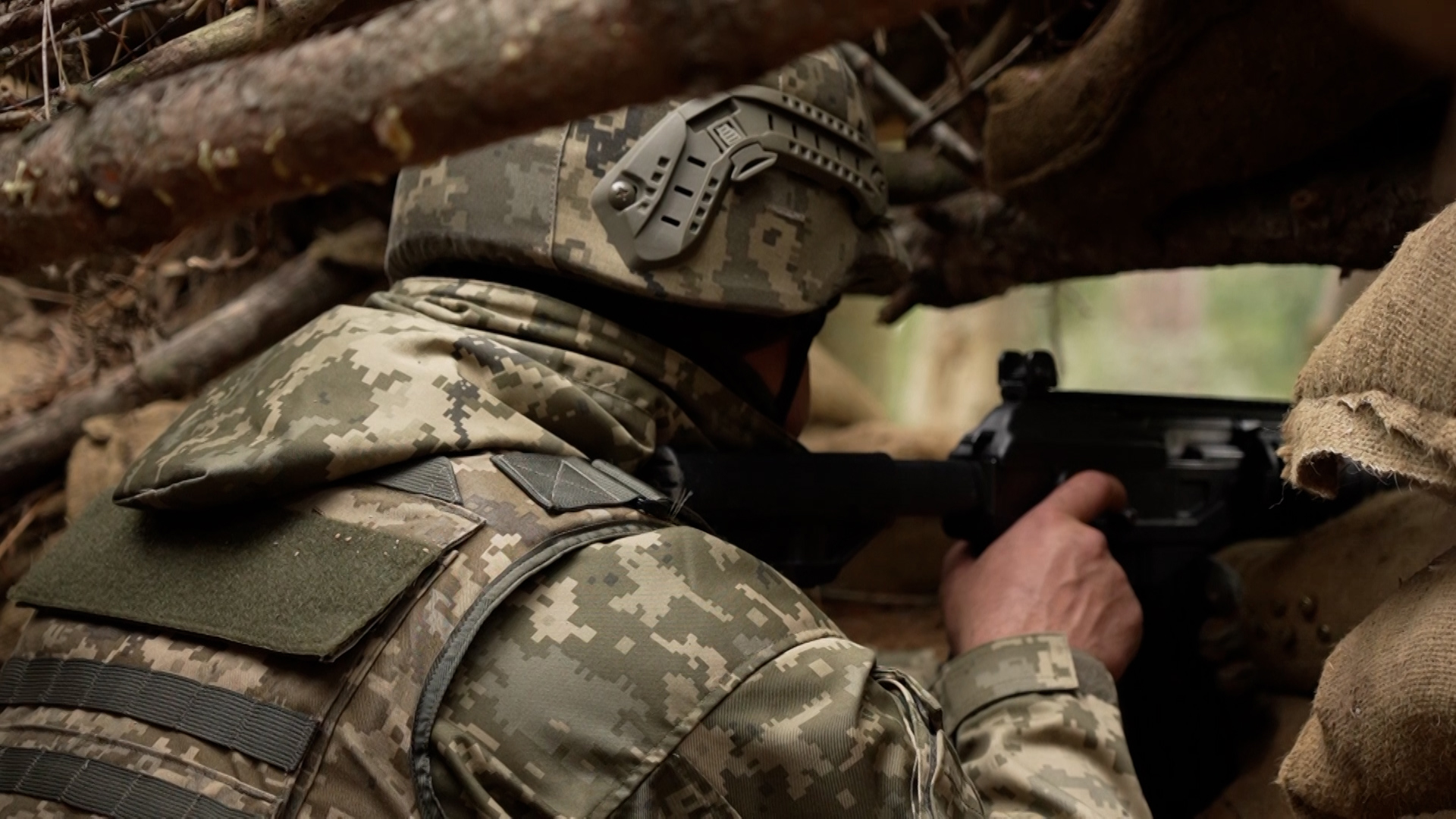
Sir Keir Starmer, who was speaking at a press conference in Paris alongside French president Emmanuel Macron and Ukrainian leader Volodymyr Zelensky, said military hubs would be set up across Ukraine once a peace deal had been reached.
But that would only happen if Mr Putin was ready to make compromises, Sir Keir said, adding that the Russian president was not currently showing he was ready for any deal.
“We will keep the pressure up on Russia, including further measures on oil tankers and shadow fleet operators funding Putin's war chest," the Prime Minister added.
According to a summary of the agreement released by the Élysée, the United States is set to lead a ceasefire monitoring and verification mechanism, which the UK is expected to participate in.
A US guarantee, possibly in the form of air defence, has long been considered crucial to halting Russia from further military action.
Mr Macron dubbed the agreement the "Paris declaration" and said it offered strong security guarantees.
Sir Keir later clarified the terms under which UK forces might be deployed.
Speaking at Prime Minister's Questions in the Commons, he said: "Yesterday, I stood side by side with our European and American allies and president Zelensky at the Coalition of the Willing meeting in Paris.
"We made real progress on security guarantees, which are vital for securing a just and lasting peace.
"Along with president Macron and president Zelensky, we agreed a declaration of intent for the deployment of forces in the event of a peace deal. We will set out the details in a statement at the earliest opportunity.
"I will keep the House updated as the situation develops and, were troops to be deployed under the declaration signed, I would put that matter to the House for a vote."
Join Our Newsletter