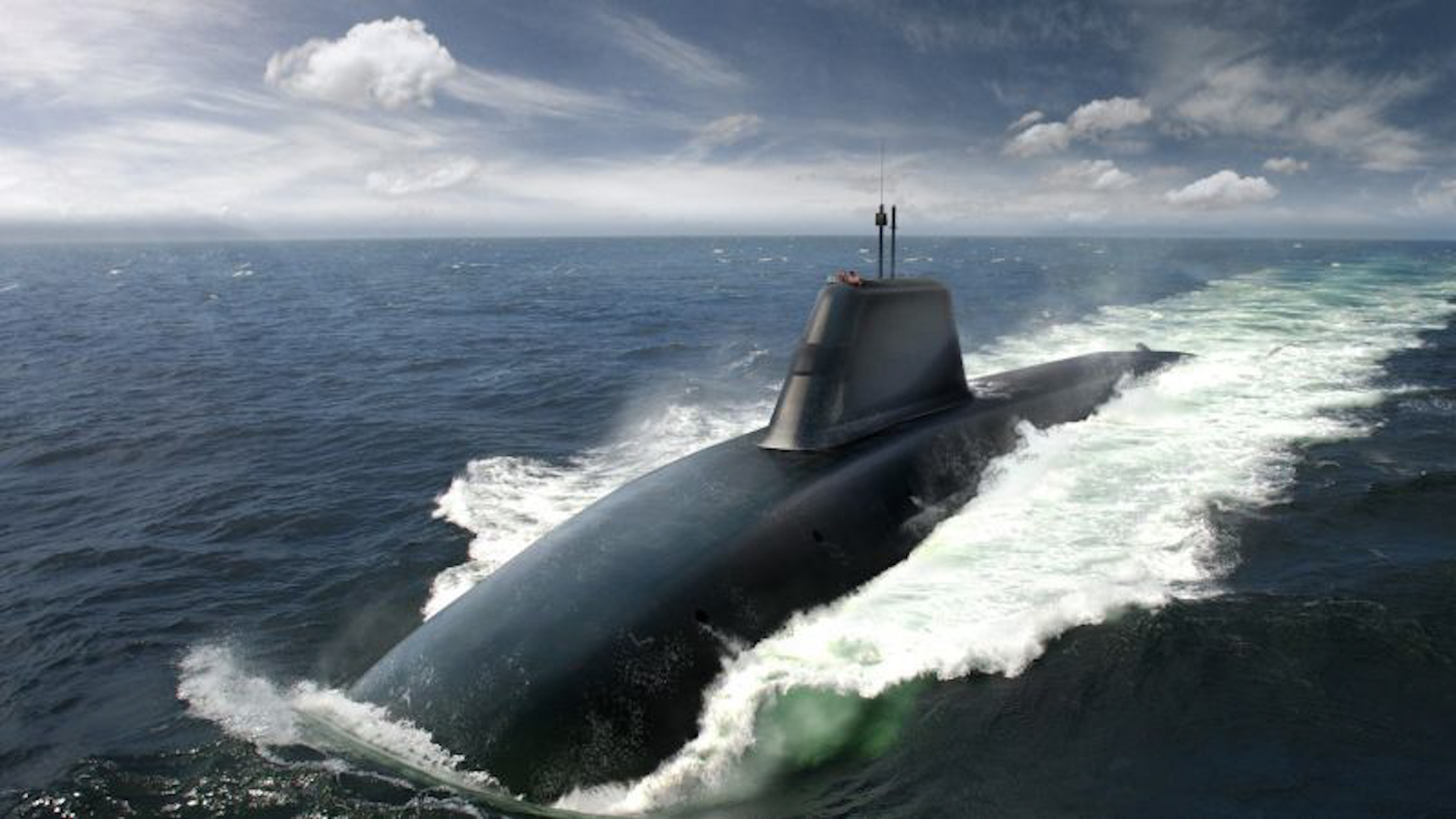
The Prime Minister has reaffirmed the government's £8.4bn investment into its nuclear submarine programme which will see the new HMS Dreadnought through its sea trials and ready for operational service by the 2030s.
Designed to replace the current Vanguard-Class, the next-generation of submarines, along with Trident 2 D5 ballistic missiles, will be incorporated with an advanced array of electronic sensors and tactical weapons, including the Spearfish heavyweight torpedoes.
Spending will also support HMS Valiant – the second of the four new nuclear submarines – as she progresses into her sea trial phase.
"Keeping this country safe is the first responsibility of any Government," Prime Minister Andy Burnham said ahead of a visit to Barrow-in-Furness.
"But security is not only about what we build, it is about who builds it, and who benefits from it."
The investment will support 47,000 jobs and apprenticeships, he said, as his government commits to curbing the number of jobless young people.
The cost of deterrence
The £8.4bn spending was already planned, and was included in the Defence Investment Plan (DIP), published almost three weeks before the end of Sir Keir Starmer's government.
The plan commits £63.6bn over the next four years for the Defence Nuclear Enterprise, which brings together various government, military and private agencies responsible for operating, maintaining and renewing the UK's Continuous At-Sea Deterrence (CASD).
The policy sees at least one nuclear-armed ballistic missile submarine (SSBN) operate through the depths of the world's oceans at any one time.
According to reports, the bulk of the money (£47bn) will be spent keeping the nuclear submarines in operation, continuing with the Dreadnought programme, and starting work on what could replace them in 30 years' time.
In addition will be the construction of several other new submarines and an upgrade of the UK's naval docks and manufacturing facilities.
The future of Britain's nuclear deterrence
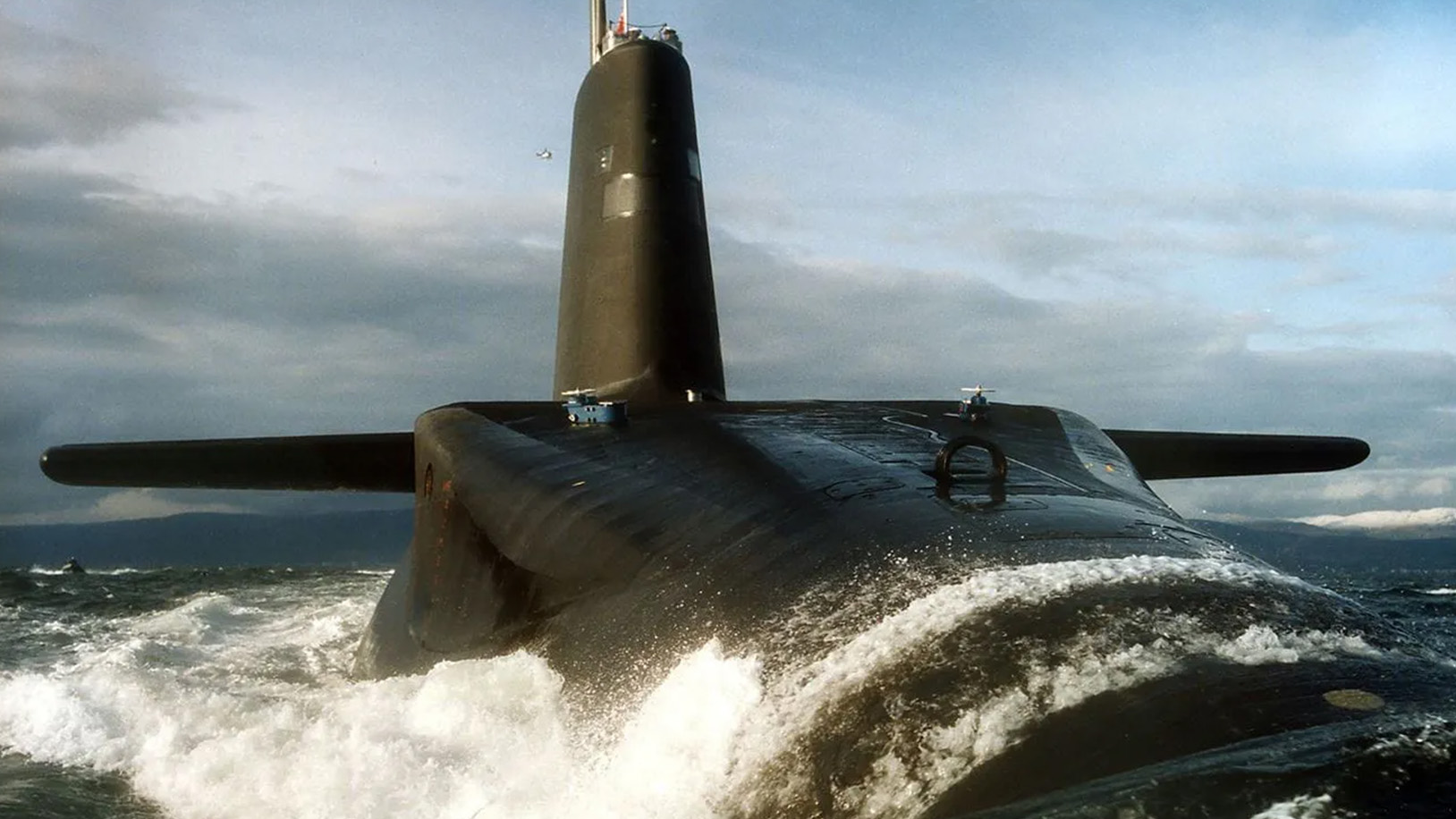
The Dreadnought-class is the Royal Navy's next-generation nuclear-powered ballistic missile submarine program.
Comprised of four submarines – HMS Dreadnought, HMS Valiant, HMS Warspite, and HMS King George VI – their aim is to preserve peace, prevent coercion and deter aggression for both Britain and Nato, at a time when increased threats, from the likes of Russia, present a persistent threat to global security.
Their predecessor – the Vanguard-Class – are due to be retired in the 2030s, with the Dreadnoughts entering service at the same time.
Although burning a hole in the defence spending budget, the UK's nuclear deterrence is, according to General Sir Richard Barrons – former head of Joint Forces Command and co-author of the 2025 Strategic Defence Review – "more than an insurance policy, it's a bargain".
Building security for the future
Mr Burnham told a press conference he wants to honour the UK's commitments on defence spending – including meeting a Nato target of spending 3.5% of national income by 2035.
When questioned, he declined to comment on his governments pledge of 3% of GDP by the end of the decade.
The current Chancellor, John Healey, resigned as defence secretary under Sir Keir's leadership last month, warning that then prime minister was "unable, and the Treasury have been unwilling, to commit the resources that the nation needs to defend the country at this time of rising threats".
The DIP, which followed shortly after, included a pledge to fund the fitting of the four Dreadnought submarines in Barrow and took expected total defence investment over the next four years to £298bn.
Defence spending by the end of the decade will be 2.7% of GDP, according to the plan.
Defence Secretary Wes Streeting said: "This milestone investment breathes new life into Barrow's historic traditions and secures our commitment to deliver Dreadnought Class submarines by backing British industry.
"Supporting thousands of skilled local jobs, we are fusing Barrow's proud heritage with modern technology to build our security for the future, supporting the next generation to keep our country safe as their parents and grandparents did."
However, shadow defence secretary James Cartlidge warned that the money "would appear to be a re-announcement of funding previously confirmed in the DIP", but added: "We nevertheless welcome continued progress on the Dreadnought programme."
While costly, and at a time when the UK faces broader defence shortfalls, the new Dreadnought-class will secure the nation's strategic deterrent into the 2070s – a capability that has underpinned UK defence strategy for decades.
Join Our Newsletter