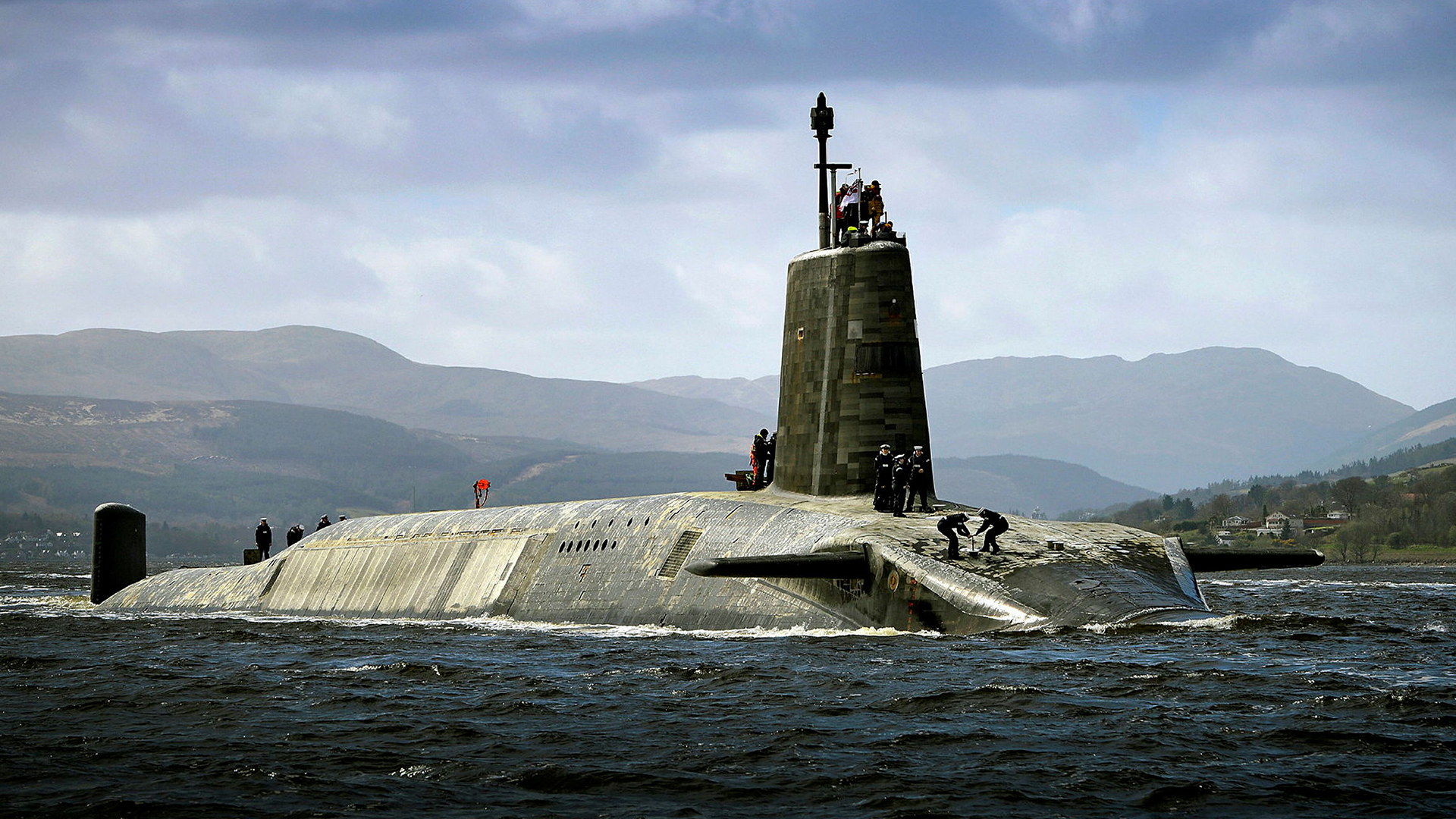
Vanguard submarines: Silent, deadly – and longer at sea than ever before
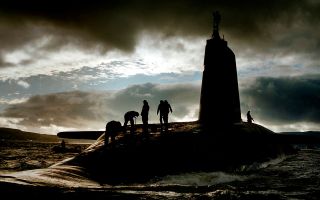
Today, the Royal Navy ensures that one of its Vanguard class of submarines is on patrol at all times carrying Britain's nuclear deterrent – Trident missiles.
The submarine's crew often spend five months or more on patrol these days. That's very different to their predecessors.
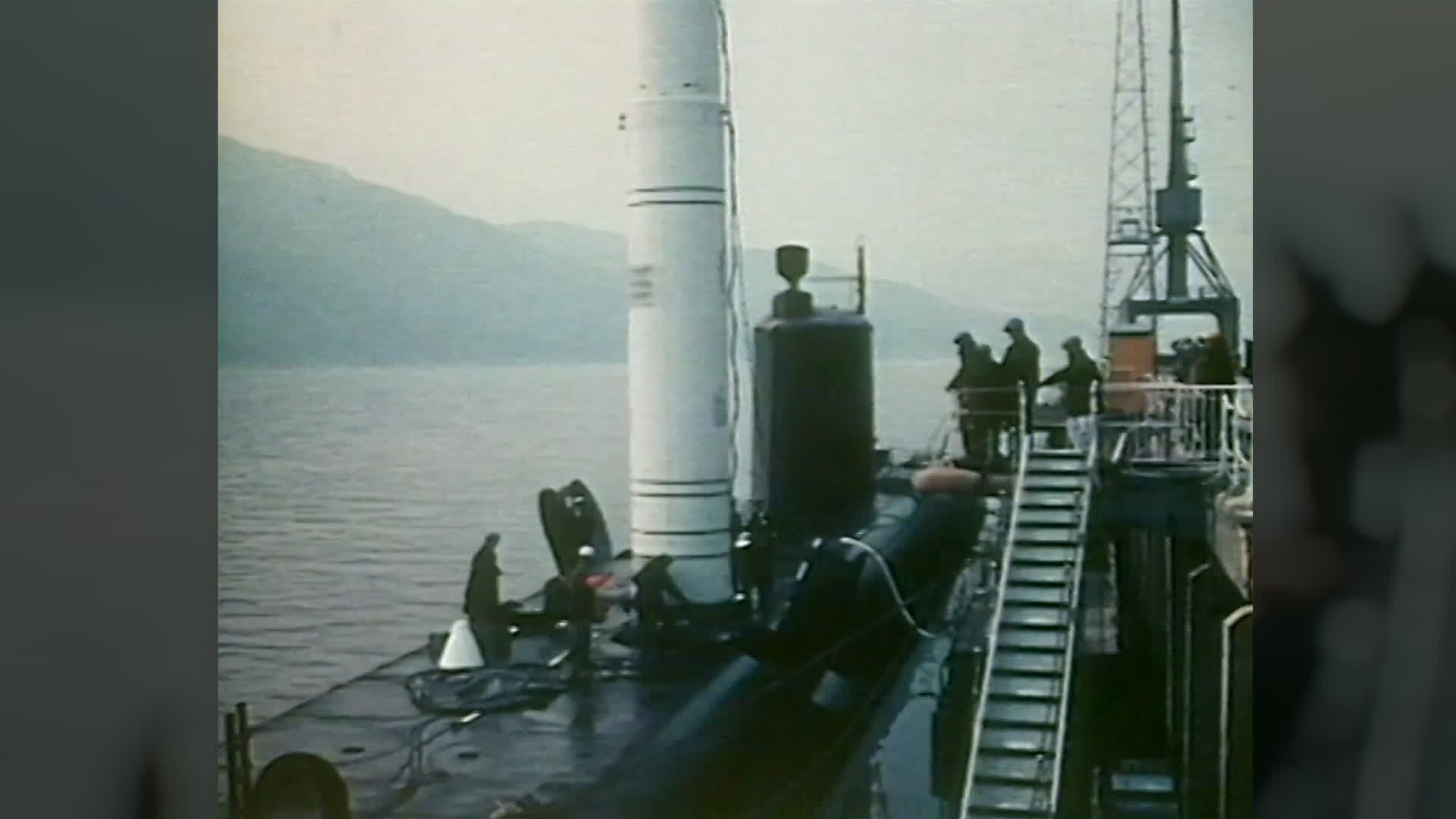
Resolution-class boats carried the Polaris nuclear missile system from 1968 until 1996 – different times and a very different routine.
Turning tides
Former Royal Navy submariner Roger Ireland explained how crews of the day carried out eight-week patrol – less than half of what has become routine for the Trident crews of today.
"We were effectively three months on, three months off," he told BFBS Forces News.
"So the three months on would be taking over the submarine when she came back off patrol, doing the maintenance period, doing the work-up period where we would go out to sea and test things, and then going on patrol."
A relatively short patrol ensured the standard of food could be kept high.
"I had a team of fantastic chefs who produced pretty decent food all the way through the patrol," Mr Ireland said.
"We were eight-week patrols, so our fridges and freezers were able to cope with that. We didn't have to resort to emergency rations or false decking. The food was pretty good."
The nuclear option
Longer patrols experienced by today's Vanguard-class submarines can mean supplies of fresh food are exhausted.
Mr Ireland said of the lengthy Vanguard patrols: "I think it's horrendous. Obviously, it's got to be done for whatever reason. I don't know the reasons.
"But if you think about a man with a young family and he's away for six months with no contact – in a ship, at least you get some contact – in a submarine, there is none."
One thing that hasn't changed is the fact that submariners are helping maintain Britain's nuclear deterrent.
But with this comes the knowledge that one day the bombs might have to be used.
The Polaris system was designed by the Americans, but the Royal Navy built its own warheads, with each submarine carrying 32 nuclear warheads.
Each of these was eight times more powerful than those used on Japan during the Second World War.
A job to do
"Everybody will have a different answer," said Mr Ireland. "My answer is simply 'it was a job'.
"We felt that it was right that we were able to deter so that others would never fire nuclear weapons at us.
"And to do that we had to be absolutely sure that we could retaliate so that they knew that we could retaliate and they would never fire on us."
From the outside looking in life appears harder for today's submariners on nuclear deterrent duty.
But the importance of their job certainly hasn't changed.
Join Our Newsletter