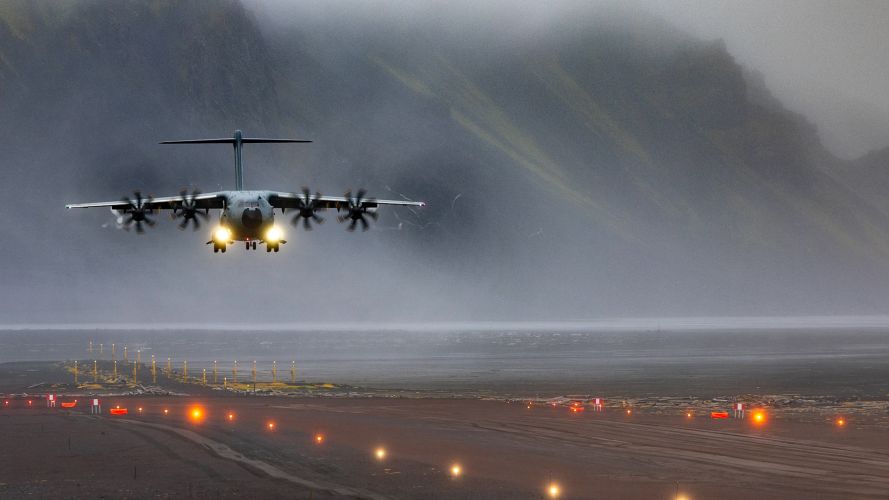
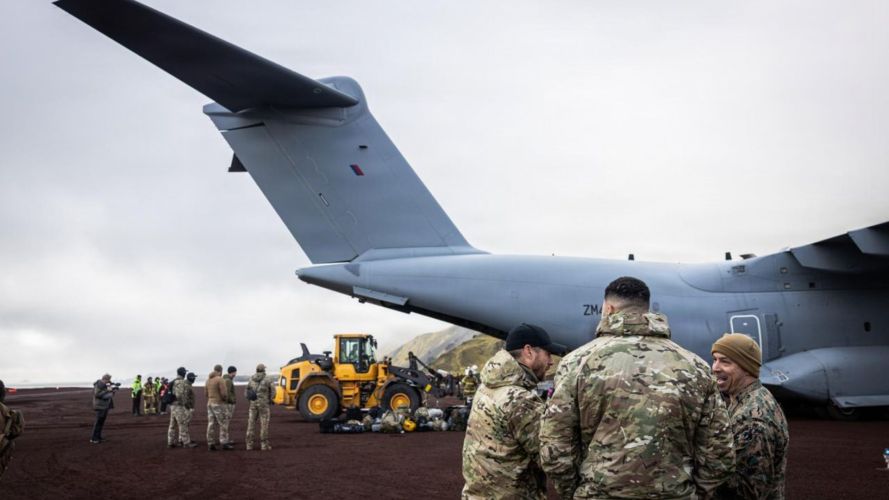
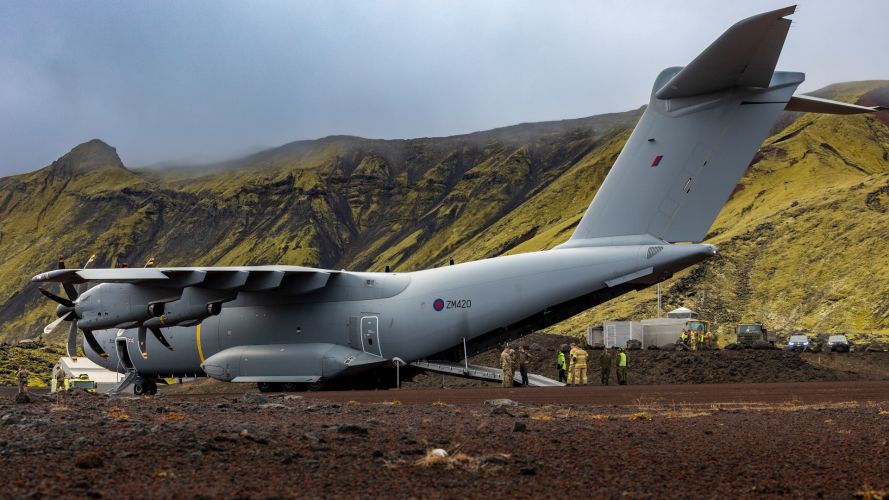
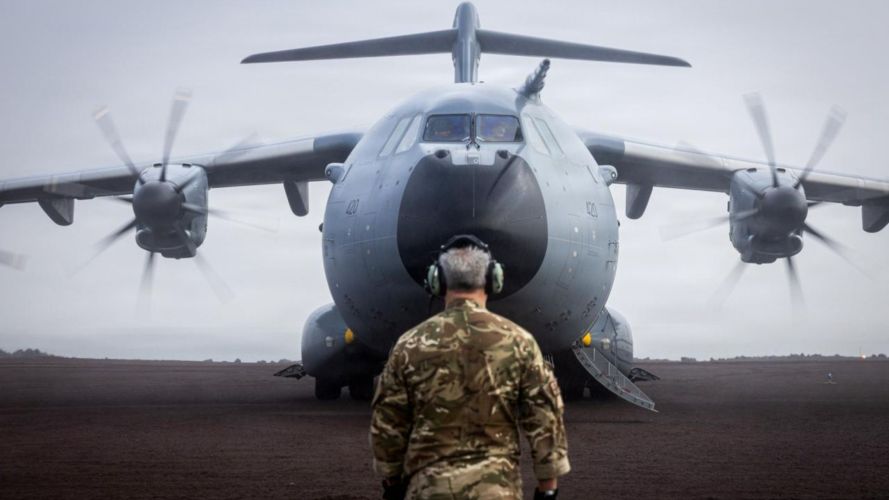


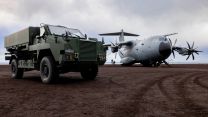

A Royal Air Force transport aircraft has landed on one of the most remote volcanic islands on Earth, delivering personnel and supplies during a key Nato exercise.
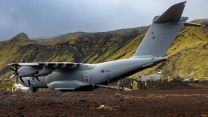
As part of Operation Atlantic City, the A400M Atlas touched down on Jan Mayen, a small island located approximately 1,000km from mainland Norway, which serves as a strategic surveillance and communication outpost for the Scandinavian country.
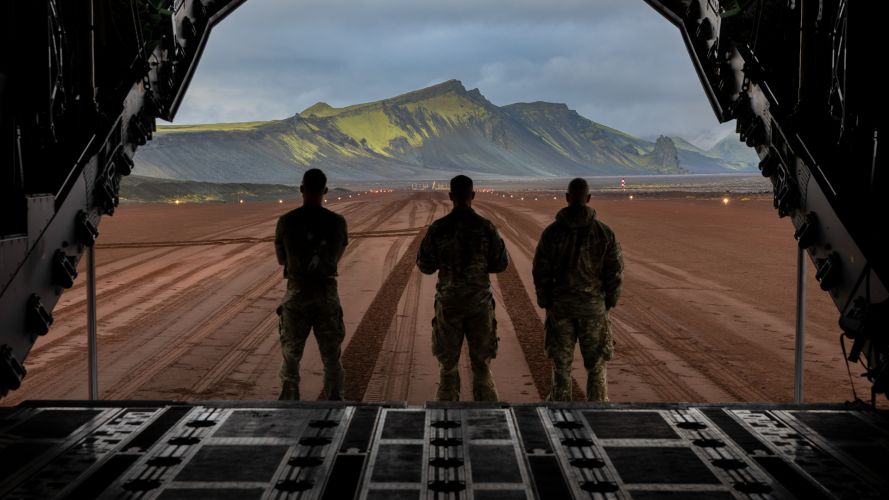
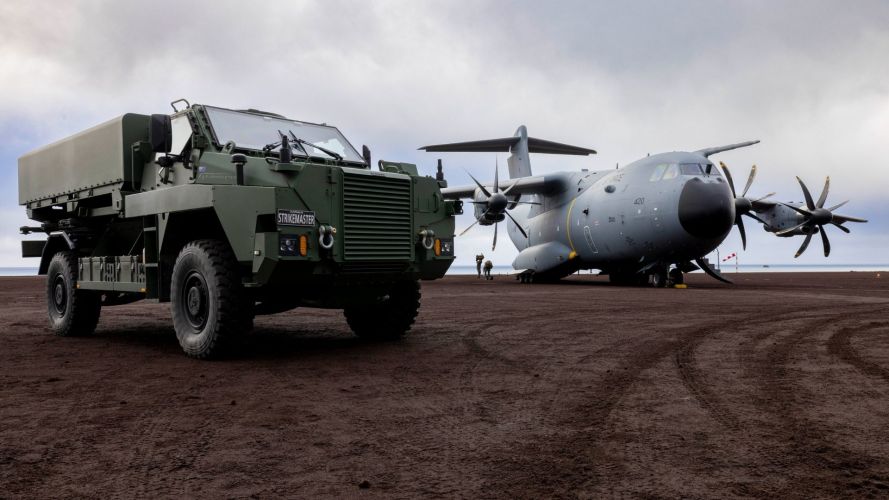
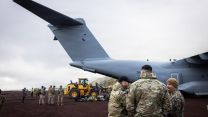
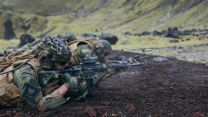
The delivery included a detachment from the Royal Marines, their US counterparts and two Joint Light Tactical Vehicles (JLTVs).
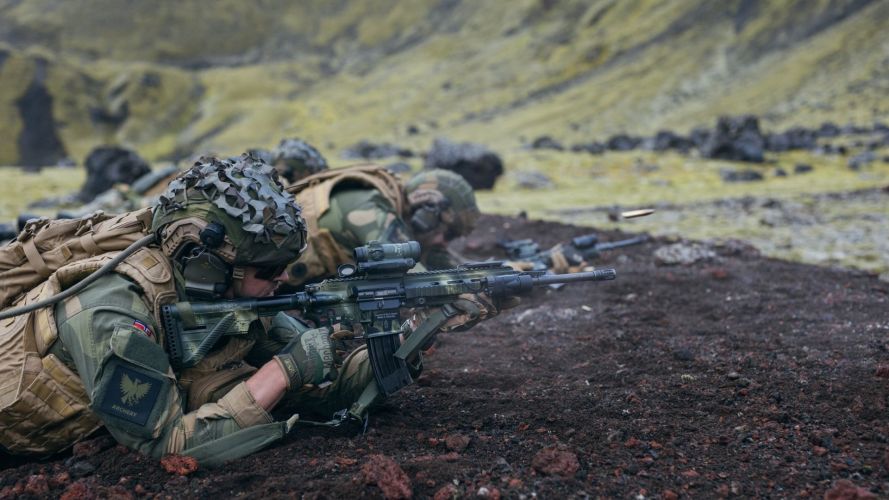
It comes as the UK, US and Norwegian forces are deployed to the island as part of Nato's Arctic Sentry enhanced Vigilance Activity, supporting efforts to strengthen deterrence, surveillance and military coordination in the High North and the Arctic.
Touching down at the edge of the world
Named after a US military base that was established there during the Second World War, the barren, 55km-long volcanic island has no civilian population, and is inhabited purely by a small rotating crew of up to 35 Norwegian military personnel and scientists.
The runway is merely a 1,585m dirt strip, which sees Norwegian transport aircraft land there only around eight times a year.
Precision flying of this nature is a tall order for personnel based at RAF Brize Norton – the main operating base for the UK's Atlas fleet – but it is a challenge they have faced before.
Last year, an RAF A400M made the first landing of its kind on the island of Jan Mayen.
Transporting a US Marine Corps JLTV from pre-positioned locations in Norway, it demonstrated the RAF's ability to deliver critical equipment to austere and isolated locations.
More recently, a C-17 Globemaster joined a Canadian mission to deliver fuel and supplies to a station on the northeast tip of Ellesmere Island, about 817km from the North Pole.
The C-17 landed on a semi-prepared runway of gravel and compacted snow after staging through Pituffik Space Base in Greenland.
Protecting the gap
As a gateway between North America and Europe, the Arctic hosts vital sea lines of communication and is strategically vital for Nato.
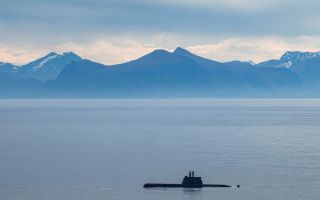
More specifically, the island of Jan Mayen occupies an important position just north of the Greenland-Iceland-UK (GIUK) gap, which, during the Cold War, formed a chokepoint against entry into the Atlantic Ocean by Russian naval forces.
Now, with Russia rearing its head in the polar region once more, the GIUK gap is experiencing a major resurgence in importance as military leaders look at ways to help deter threats and protect this vital gateway.
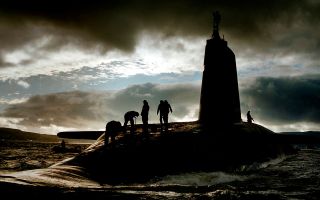
Former Royal Navy submarine captain Ryan Ramsay previously told BFBS Forces News that the UK needs to invest in a maritime capability two to three times what it currently has if it is to secure the crucial passageway.
As well as providing Russian vessels a gateway into the Atlantic Ocean, the GIUK Gap is also vital to the UK's way of life.
Deep-sea cables run through the area and have been put at increasing risk due to mapping by Russian vessels.
Related topics
Join Our Newsletter