Defence Down Under: UK to adopt Australian radar system under Aukus pact
An Australian radar system designed to enhance frontline forces looks set to be adopted by the UK.
The advanced capability will help the Armed Forces adapt to the changing operational environment and marks the latest addition to the Aukus partnership.
The announcement comes as Defence and Industry Minister Luke Pollard met his Australian counterpart, Pat Conroy, during a visit to key Indo-Pacific allies.
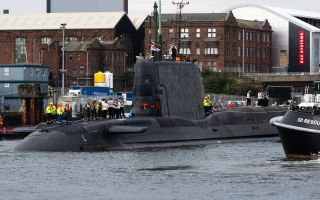
- HMS Anson docks in Australia as Aukus partners begin first joint maintenance work
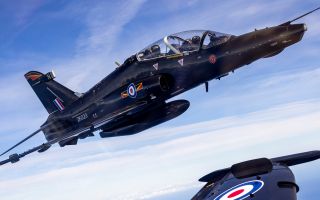
- Detect and defeat: Radar upgrade lets RAF Typhoons keep closer eye on potential threats
- An interceptor by year's end, an interception by July: The race to build Freyja
Mr Pollard will then travel to New Zealand, where he will visit Devonport Naval Base in Auckland and meet defence industry leaders.
Roll on the radars...
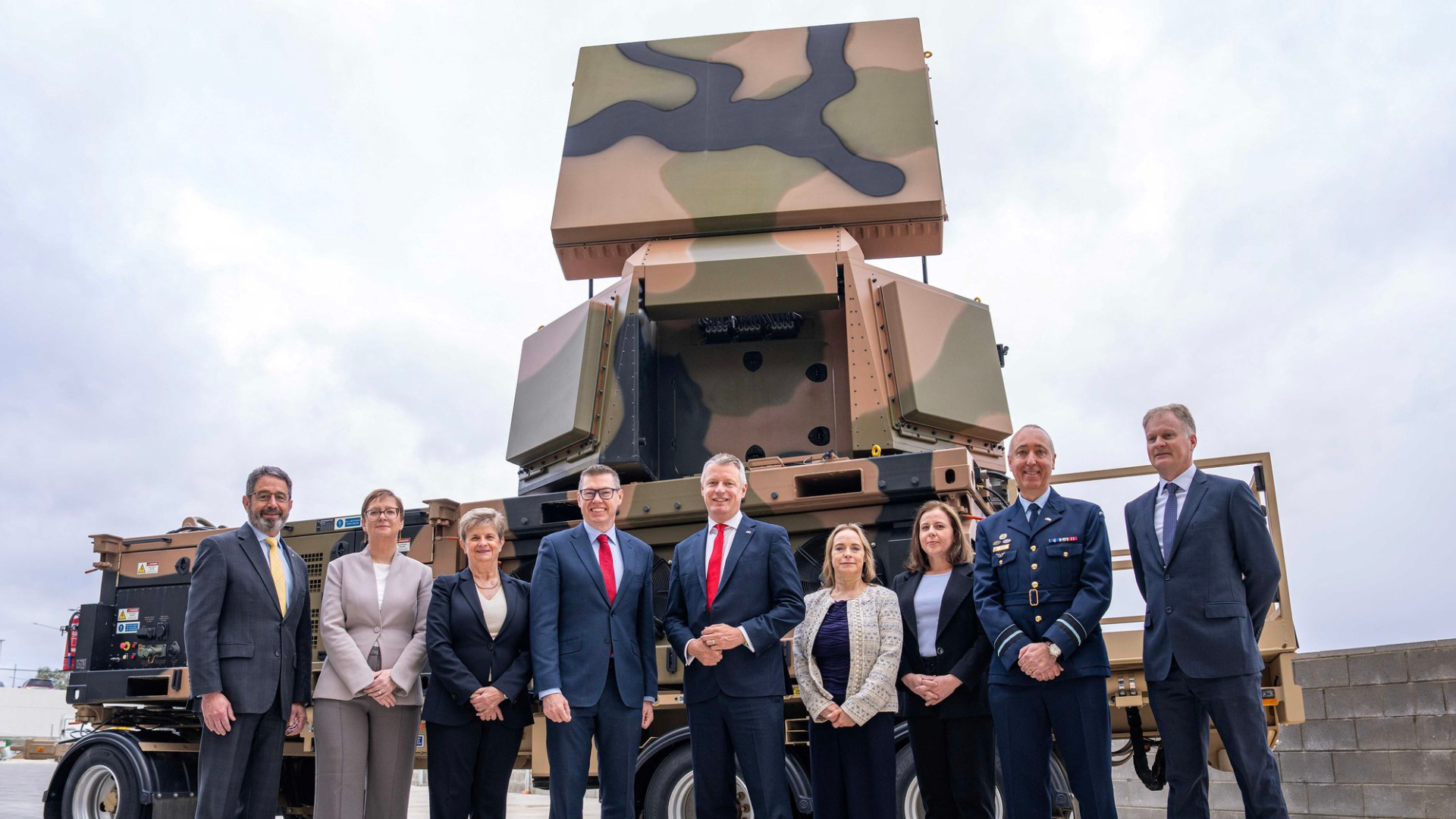
A statement of intent signed by QinetiQ and CEA Technologies – based in the UK and Australia respectively – will see the two firms develop a new radar network known as Active Electronically Scanned Array technology (AESA).
AESA's technology guides beams electronically rather than mechanically, allowing for increased speed and accuracy across a wider range of targets than the radars of yesteryear.
Already integrated within the Australian Defence Force, it can enable fighter jets, warships and air defence systems to track multiple targets faster and at longer ranges, all while remaining hidden from enemy detection.
Both QinetiQ and CEA Technologies will work together to ensure the technology is tested and integrated across UK defence following the signed agreement in Canberra.
For Mr Pollard, this contract represents movement onwards and upwards for both countries.
"This radar agreement shows what our partnership with Australia delivers in practice," he said, welcoming "industry stepping up, technology for our Armed Forces, and trust between our nations deepening".
This contract marks the newest manifestation of the Aukus trilateral security partnership between the UK, US and Australia.
The radars sit firmly in Pillar 2 of the pact, which focuses on the development and sharing of advanced military technologies, including cyber, artificial intelligence, quantum technologies, hypersonics, electronic warfare and undersea systems.

So, whilst disagreement remains about which country produces the best yeast extract spread (the UK with Marmite, of course, but we're biased), defensive ties do not seem to be withering anytime soon.
"Working in lockstep with Australia, we can drive jobs and growth while reinforcing our collective security," Mr Pollard maintained.
And next week is panning out to be a busy one for the minister, who will travel to New Zealand to focus on maritime capabilities and visit defence industry sites.
The trip signifies the UK's ongoing investment in state-of-the-art technology and its continued commitment to two of its closest defence allies in the Indo-Pacific.
Related topics
Join Our Newsletter