Conflict branded a war of losers as US launches new round of strikes in Strait of Hormuz

The war in Iran is now a "war of losers", the BFBS Forces News Sitrep podcast host has said, after US forces launched renewed strikes in the Strait of Hormuz.
Professor Michael Clarke's comments come just days after US Central Command stated that it had cleared Iranian sea mines from the Persian Gulf entrance.
Centcom said its forces had struck air defence sites, radar systems and communication sites.
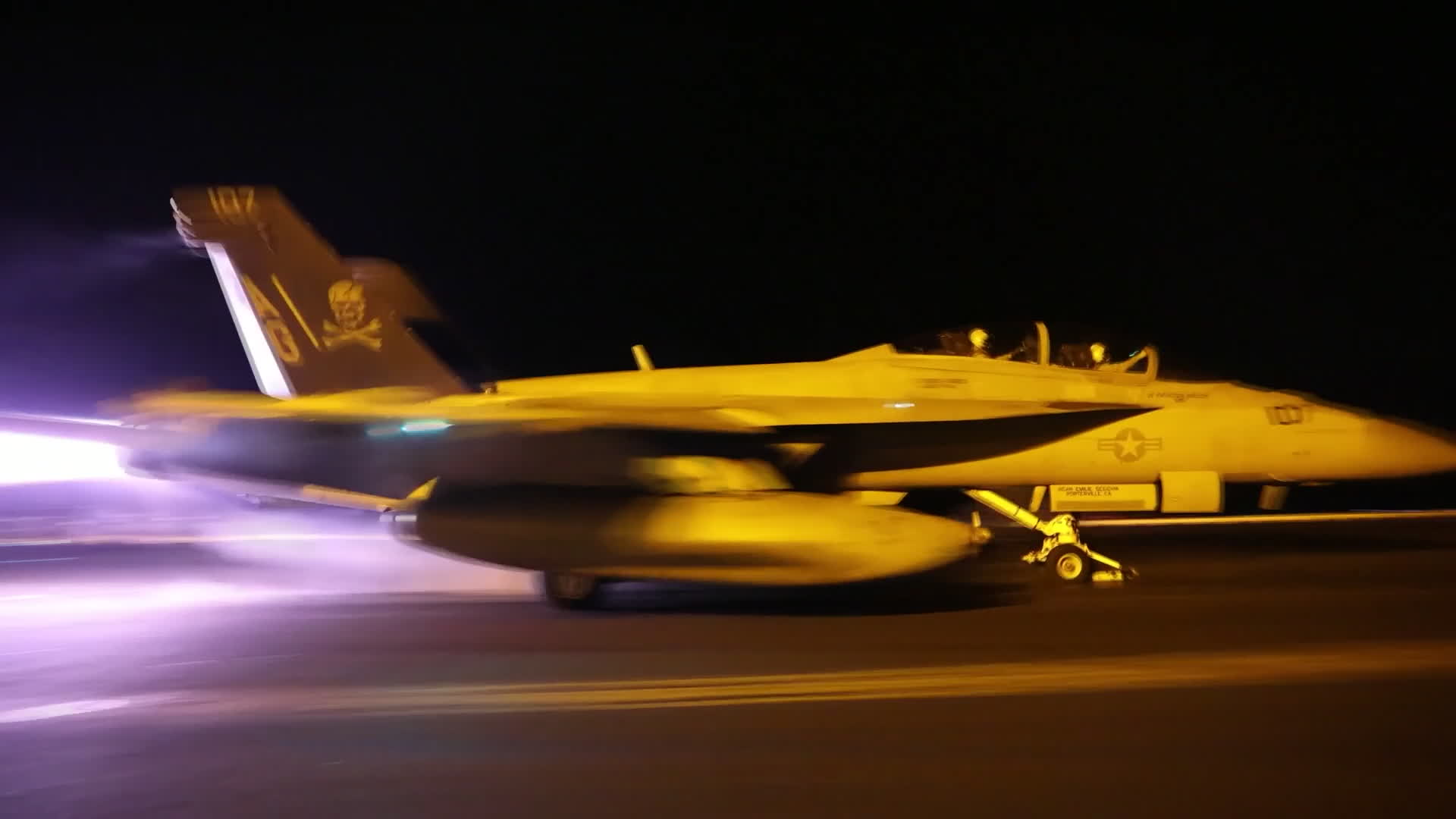
Footage showed F/A-18 Super Hornets being launched from carrier flight decks and Tomahawk cruise missiles being fired from destroyers in the Arabian Sea.
"Losers. Everyone loses. I mean, with the exception of Russia, which is gaining from the war, and Israel, which is gaining something, everybody else loses," Prof Clarke said.
The podcast sat down with former Royal Navy commander Tom Sharpe and Lieutenant General (Ret'd) Sir Simon Mayall, an ex-defence senior adviser for the Middle East, to discuss the latest developments in the Iran war and the Strait of Hormuz.
The US, counter-strikes and the Strait of Hormuz
According to the US website Axios, Centcom employed a new tactic for tanker-for-tanker strikes, hitting the engine rooms of Iranian vessels to damage the regime economically.
It was also reported in American media that US forces attacked the Islamic Revolutionary Guard Corps rocket launchers on Larak Island.
These launchers were preparing to fire rocket-mounted mines into the sea using a system first shown on Iranian TV during naval exercises in January.
"The problem with the threat in the Strait of Hormuz…is that Iran has been delivered the most almighty [sic] beating, but the problem is that you can't beat it to zero," Cdr Sharpe explained.
"That is why we're stuck in this eternal doom loop of strikes and counter-strikes and appeasements and then flare-ups. And we're in the latest round of that now."
Cdr Sharpe warned that it would be difficult to break out of this current cycle of reciprocal strikes by Washington and Tehran.
During August, the Americans are believed to have used privately insured tankers to move oil in nighttime convoys hugging the coast of Oman.
Once in the Arabian Sea, they used ship-to-ship transfers to cross-deck the oil to tankers for onward movement.
On 27 August, Admiral Brad Cooper said Centcom had cleared mines from the established shipping lanes in the Strait of Hormuz.
But the Iranians then retaliated by striking two ships transiting the Strait and attempting to re-lay mines. This prompted the US to strike rocket launchers on Larak Island.
"We're in a shin-kicking contest against a country with unlimited capacity for pain and patience," said Cdr Sharpe, who commanded four Royal Navy ships during his 27-year career.
What does it mean for UK Armed Forces personnel out in the Middle East?
Then tit-for-tat strikes resumed with the Iranians launching missiles and drones in Bahrain, Kuwait, Jordan and Iraq, where UK troops are based.
British air defence systems and supporting personnel have been deployed to several countries, while RAF jets continue to fly defensive missions.
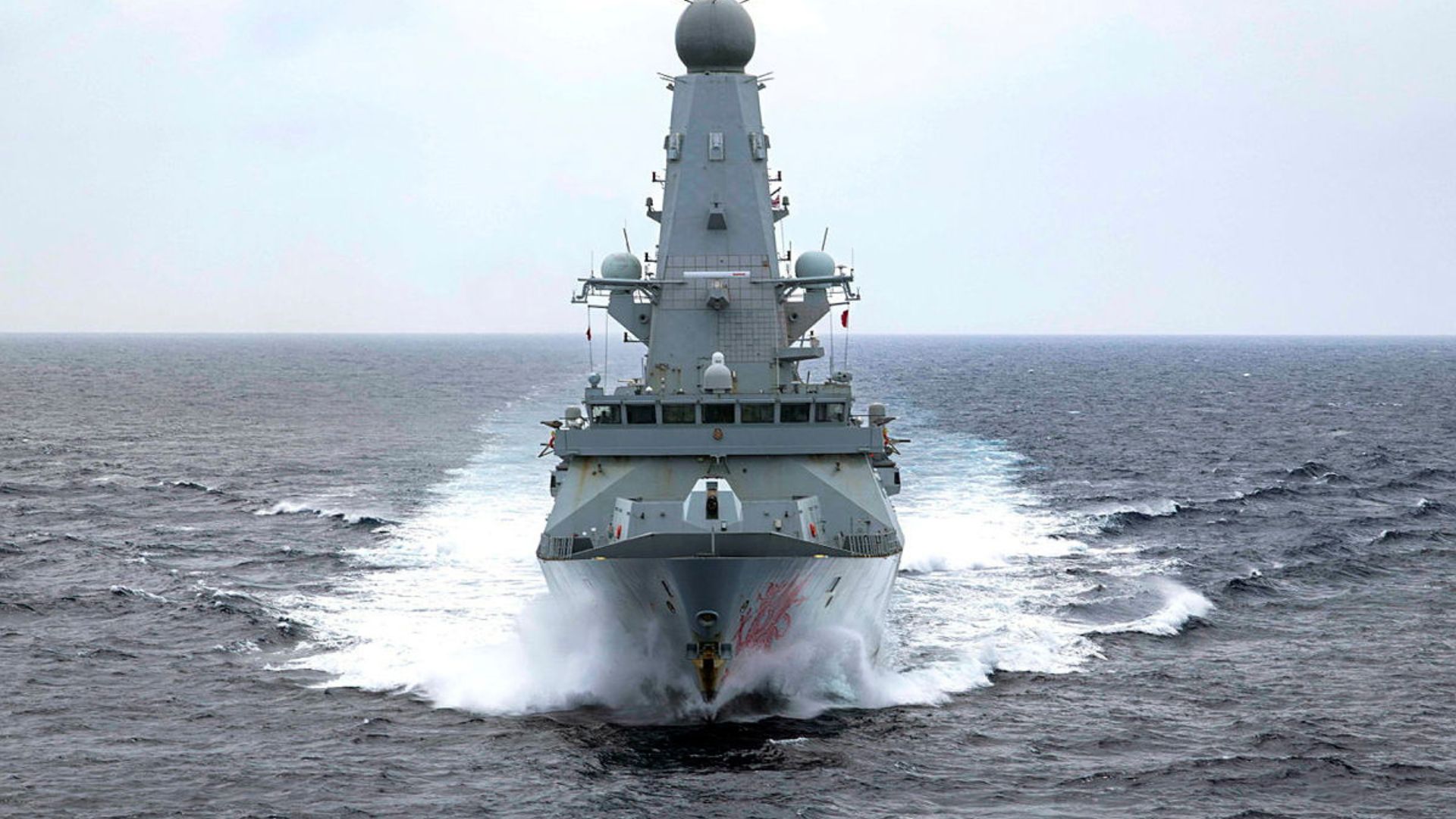
In terms of naval assets, HMS Dragon and RFA Lyme Bay are at sea in the Middle East.
Speaking on the fact that UK personnel are still in the region, Prof Clarke said: "The Iranians do put us [the UK] in particular more than any other European country in the firing line when they are in opposition to the United States.
"I'm afraid that that is just one of the geopolitical realities we have to cope with."
In contrast, Lt Gen Sir Simon disagreed with Prof Clarke on Britain's place in the world, saying the deployment is "part of the price of being a global power".
A Government spokesperson said: "We review force protection in the region continuously as a matter of course, and the safety of our personnel comes first.
"We do not comment on ongoing operations."
Is there a way forward?
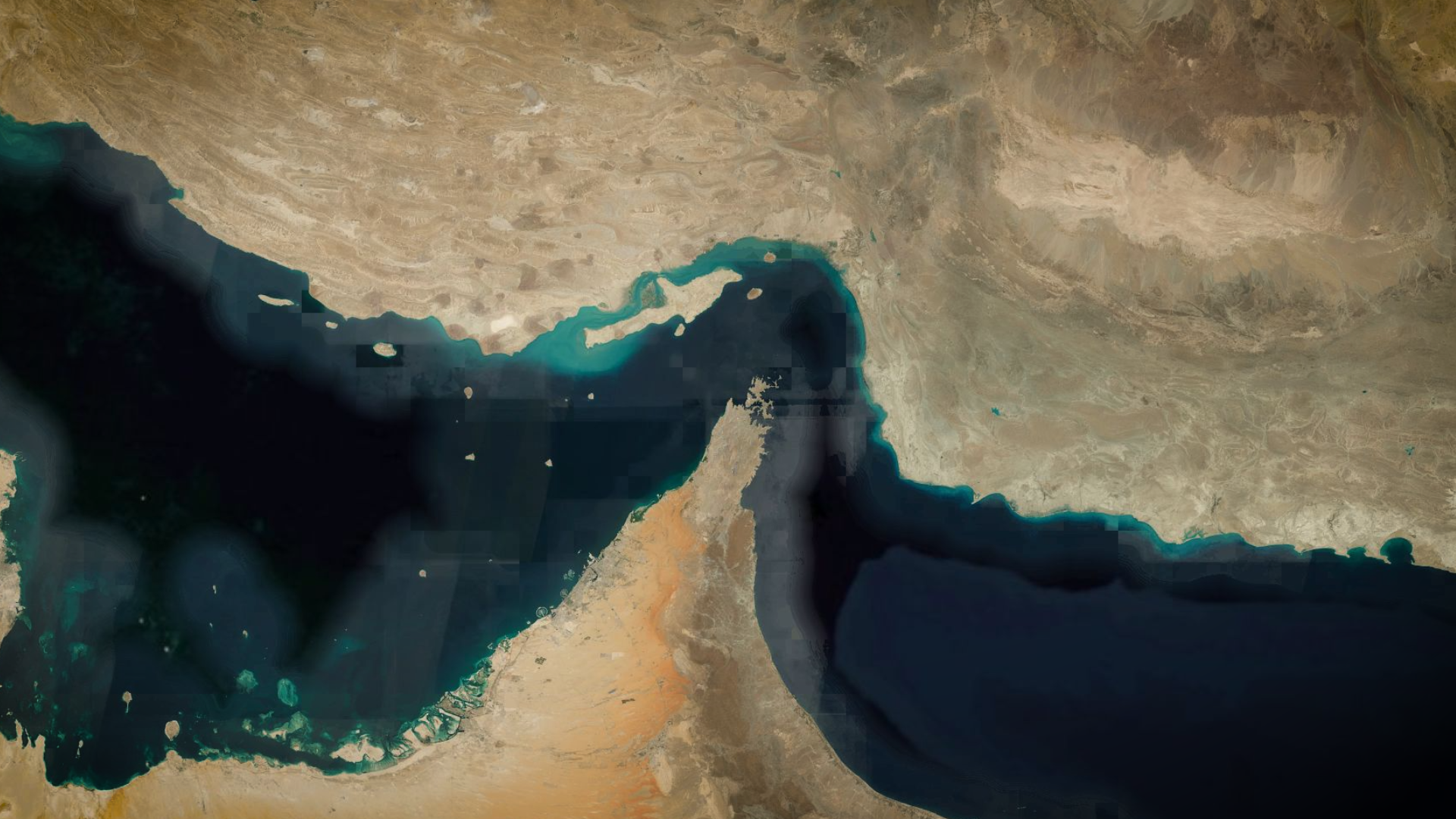
The US priority will be to blind Irani's ability to detect shipping movement in the narrow strait and prevent IRGC fast attack craft from attacking shipping.
The US tactic is still to use its blockade to hurt the Iranians economically, forcing them to reopen the strait and negotiate in good faith.
The Iranian tactic is to delay while heightened fuel prices increase pressure on the White House to accept Iran imposing a toll in the Strait of Hormuz.
"[Iran's] capability, financial as well as military, has been severely curtailed," Lt Gen Sir Simon said on the podcast. "And pragmatists within Iran, who recognise their former regional greatness, civilisational greatness, I think are beginning to work out 'where do we come out at the end of this?'.
"When Iraq's growing in strength, where clearly Saudi Arabia’s got muscle in terms of money. The Turks, a congenital enemy of Iran, are getting stronger and stronger, and Pakistan’s coming in on their line."
Cdr Sharpe's mood on the conflict was gloomier on the prospect of any peace deal between the two countries. "It's hard to know how we get out of the hole we’re currently in," he said.
With the negotiating positions deadlocked, what is the way forward to end this conflict?
You can listen to BFBS' Sitrep wherever you get your podcasts, or on BFBS Forces News YouTube channel.
Related topics
Join Our Newsletter