Ramstein Flag: Nato's largest air exercise sees a massive 150 sorties flown each day

The Armed Forces have participated in Exercise Ramstein Flag, a Nato exercise designed to prepare member nations for both current and future threats while strengthening their ability to operate together.
The exercise, led by Nato's Allied Air Command, comes as the 32-member alliance deals with the twin threats of the Ukraine war and threats to the High North and North Atlantic.
Here is everything you need to know about the exercise.
What is Exercise Ramstein Flag?
The exercise is Nato's largest air exercise of the year, examining the alliance's capability to deal with an Article 5 scenario, where an attack on an ally is considered an attack against all the alliance's members.
The training, which takes place annually, covered several areas, including air-to-air refuelling, command and control, logistics, maintenance, interoperability and host-nation support.
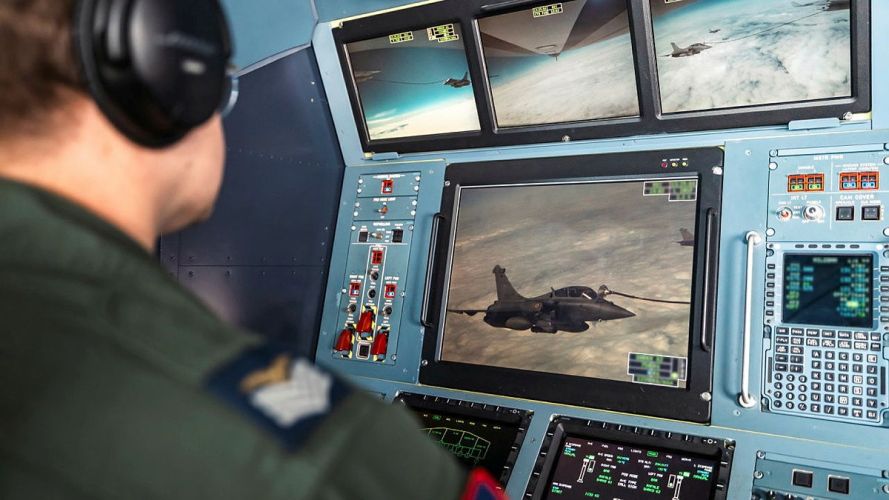
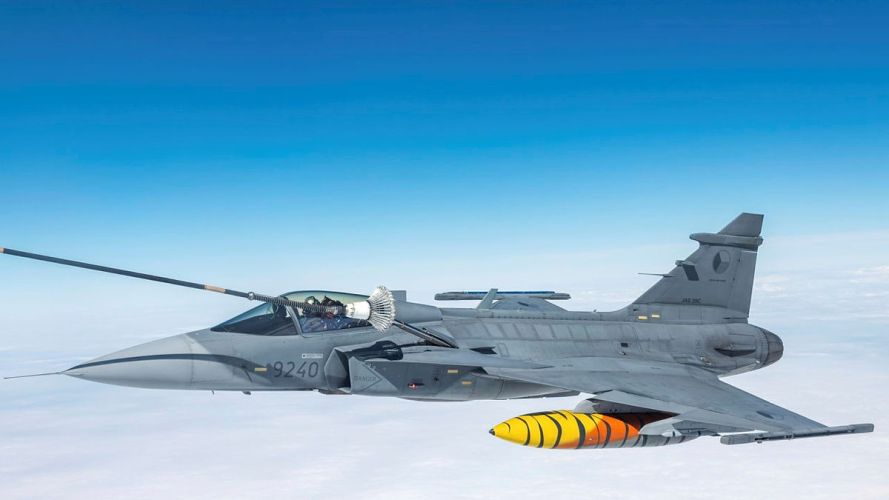
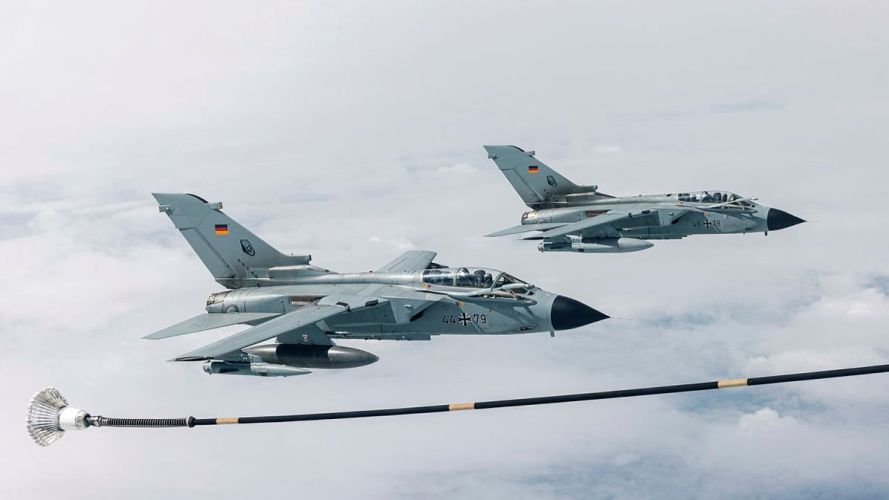
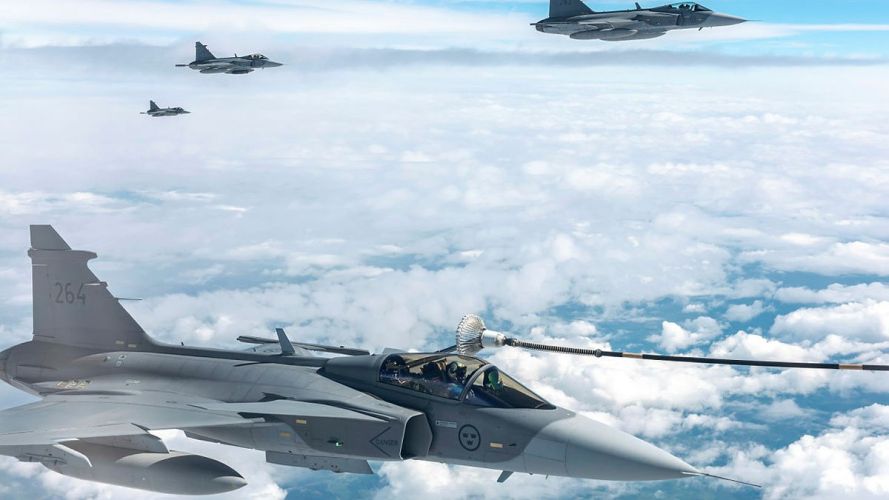
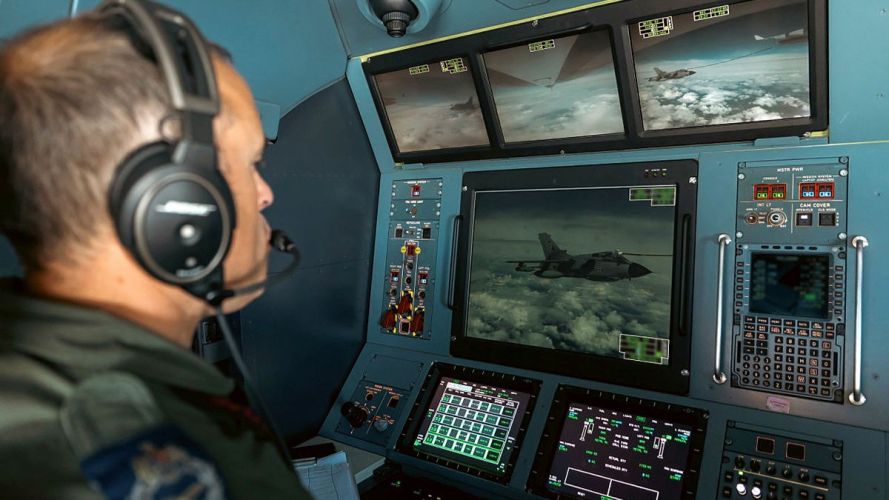
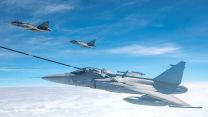
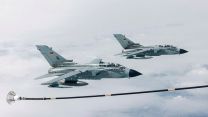
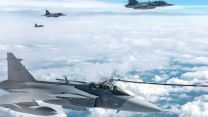
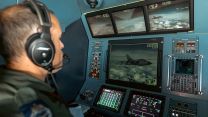
The exercise's air-to-air refuelling element involved several nations, including France, Poland, Turkey and the United States, using a US air force KC-135 Stratotanker aircraft from the 100th Air Refuelling Wing and the French air and space force's A330 Multi-Role Tanker Transport (MRTT).
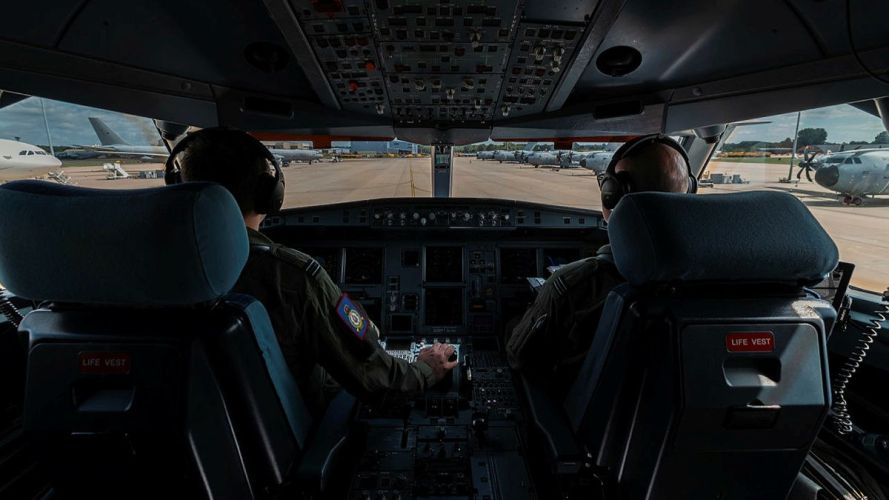
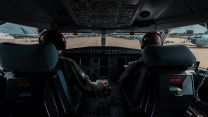
A Voyager force Airbus A330 MRTT, from 10 and 101 Squadron, based at RAF Brize Norton, was deployed for air-to-air refuelling of the combat aircraft during the exercise.
The Voyager provided fuel to Nato aircraft over European airspace throughout the exercise on more than 10 different sorties.
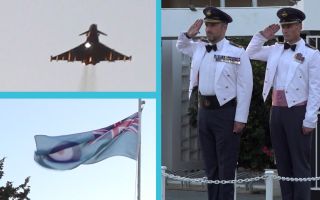
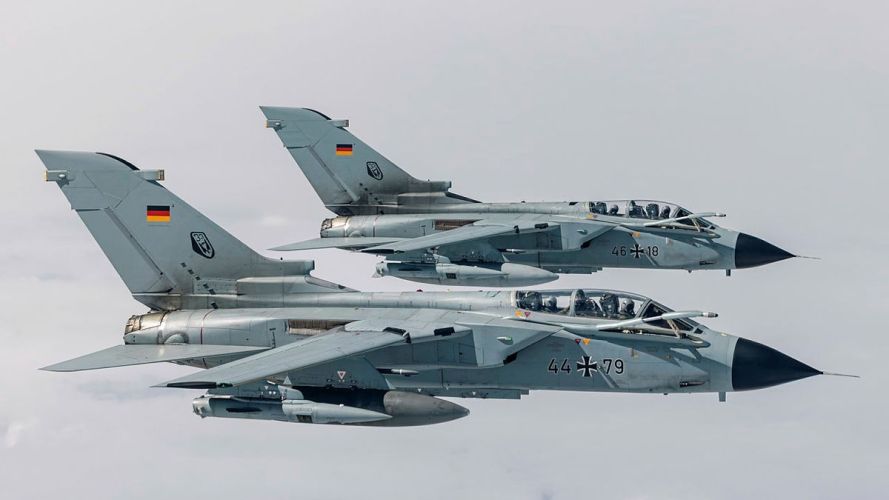
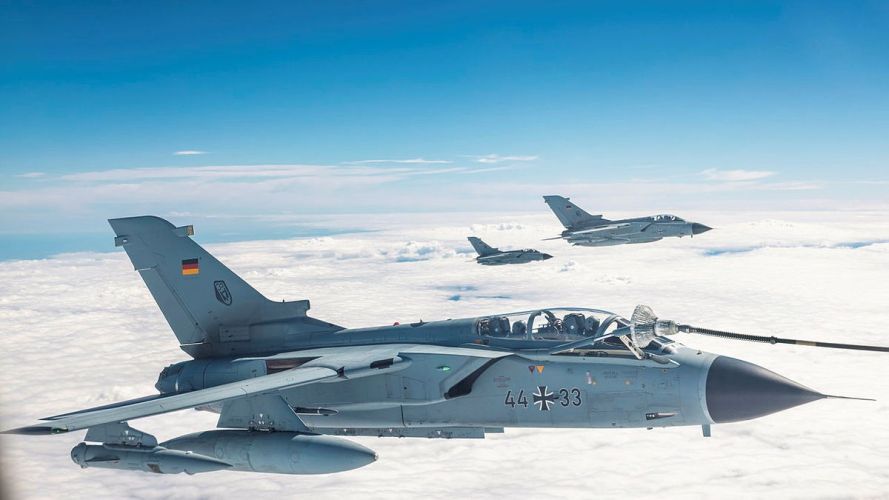
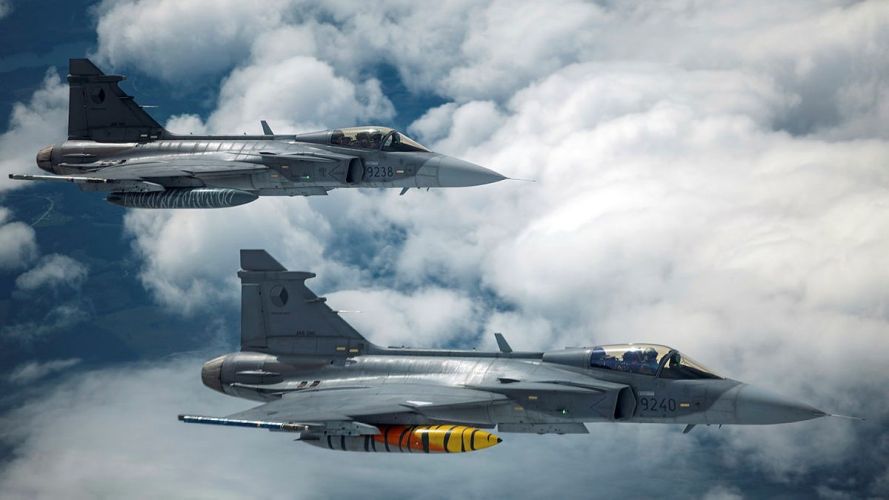
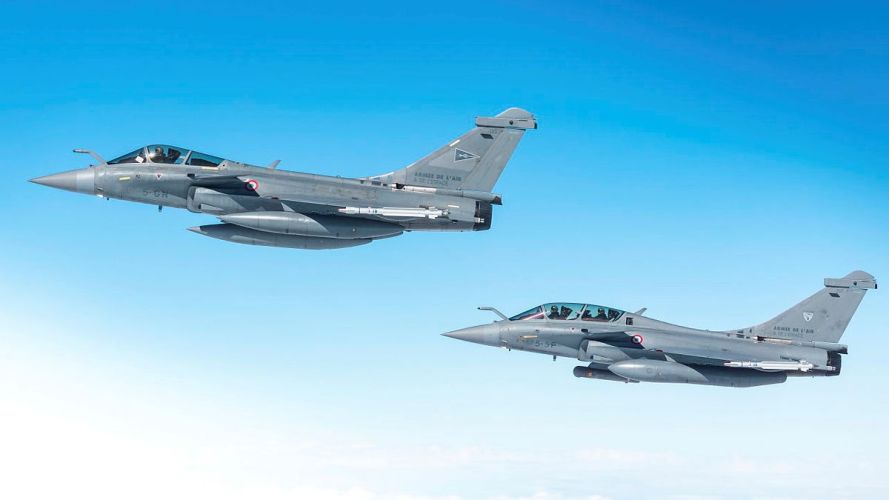
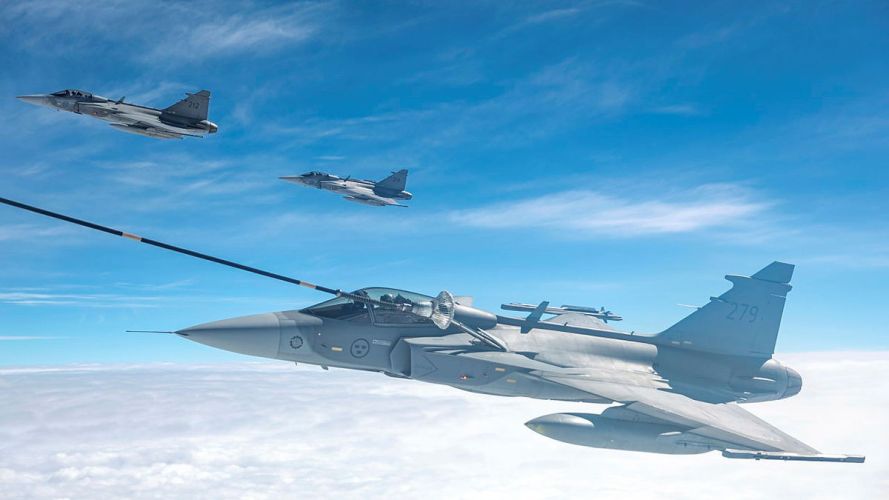
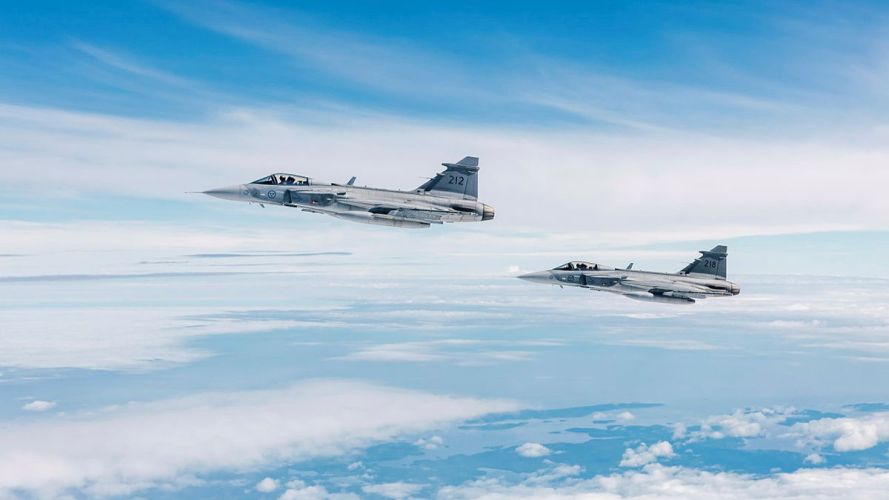
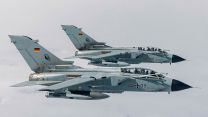
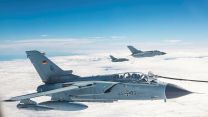
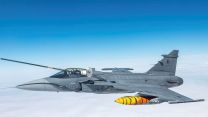
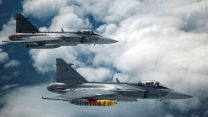
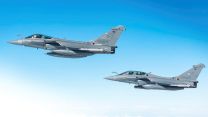
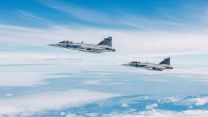
Alongside the training, Nato pilots flew roughly 150 sorties every day, using aircraft including Czech Saab JAS-39C/D Gripens, German air force (Luftwaffe) Eurofighter Typhoons, Luftwaffe Tornados, French air and space force Dassault Rafales and Swedish Gripens.
It was spread across more than 20 locations in Europe, in countries such as Norway and Spain.
Who was involved in Ex Ramstein Flag?
Eighteen countries, including the UK, were involved in Ex Ramstein Flag, as well as more than 200 allied aircraft, enablers and Nato assets from 12 countries.
The exercise ran from 8-19 June.
How is it related to the wider world?
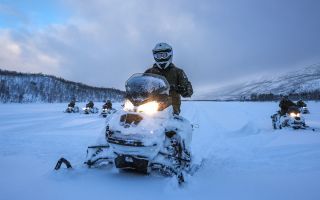
Some parts of the exercise took place across the Nordic region, meaning that Nato can practise in a demanding environment with operating spaces located far away from each other.
Through the training, nations that are not as used to Arctic conditions, such as France, Greece, and Italy, are able to acclimatise themselves to difficult terrain, constantly changing weather, and extended daylight.
The exercise coincides with Nato's Arctic Sentry mission, which is strengthening the alliance's security in a region where melting sea ice is opening new routes and increasing threat from hostile state activity.
The Ministry of Defence has said that incidents of Russian vessels threatening UK waters have increased by a third in the last two years and that submarine activity in the North Atlantic is now back to the same levels as the Cold War era.
Only this week, Moscow's frigate Admiral Grigorovich fired warning shots in the direction of a 40ft yacht about 20 nautical miles south of the Isle of Wight, outside of the UK's territorial waters.
In April, First Sea Lord General Sir Gwyn Jenkins said that the security of the High North and North Atlantic depends on our ability to act together with allies, permanently at pace.
What was the UK's role?
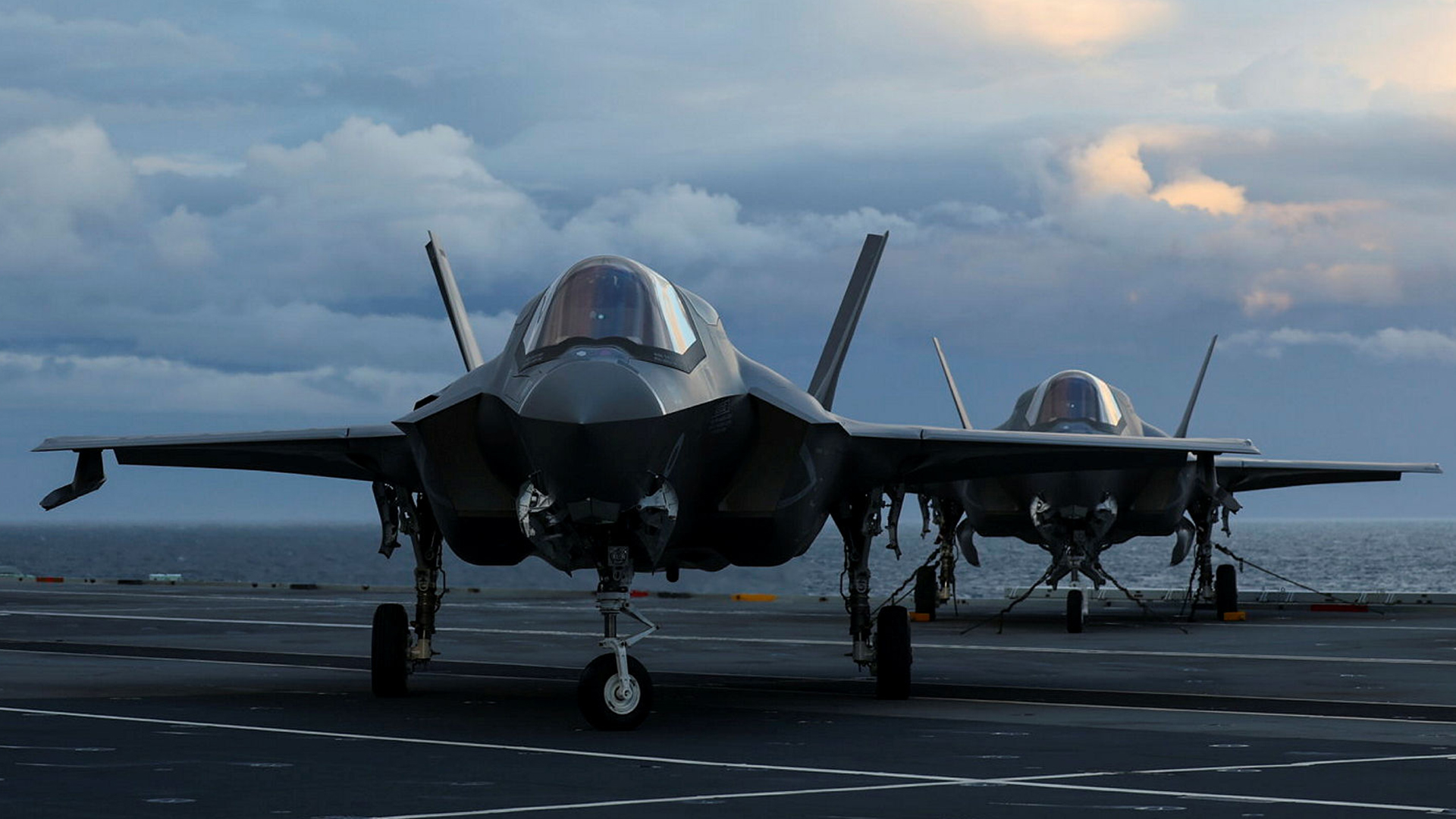
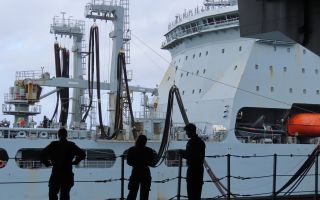
The UK Armed Forces contributed one of its two aircraft carriers, HMS Prince of Wales, HMS Duncan, RFA Tidespring and F-35B Lightning jets to the drills.
The fighter jets were flown by 809 Naval Air Squadron and 617 Squadron, with their home base being RAF Marham in Norfolk.
"Launching fifth-generation F-35Bs from HMS Prince of Wales during Exercise Ramstein Flag delivers a clear and deliberate signal: the UK Carrier Strike Group is fully integrated into Nato's frontline defence," Commodore Richard Hewitt, the UK Carrier Strike Group's Commander, said.
"Together, we deliver precise, seamlessly synchronised combat power in defence of Nato's northern flank."
Related topics
Join Our Newsletter